
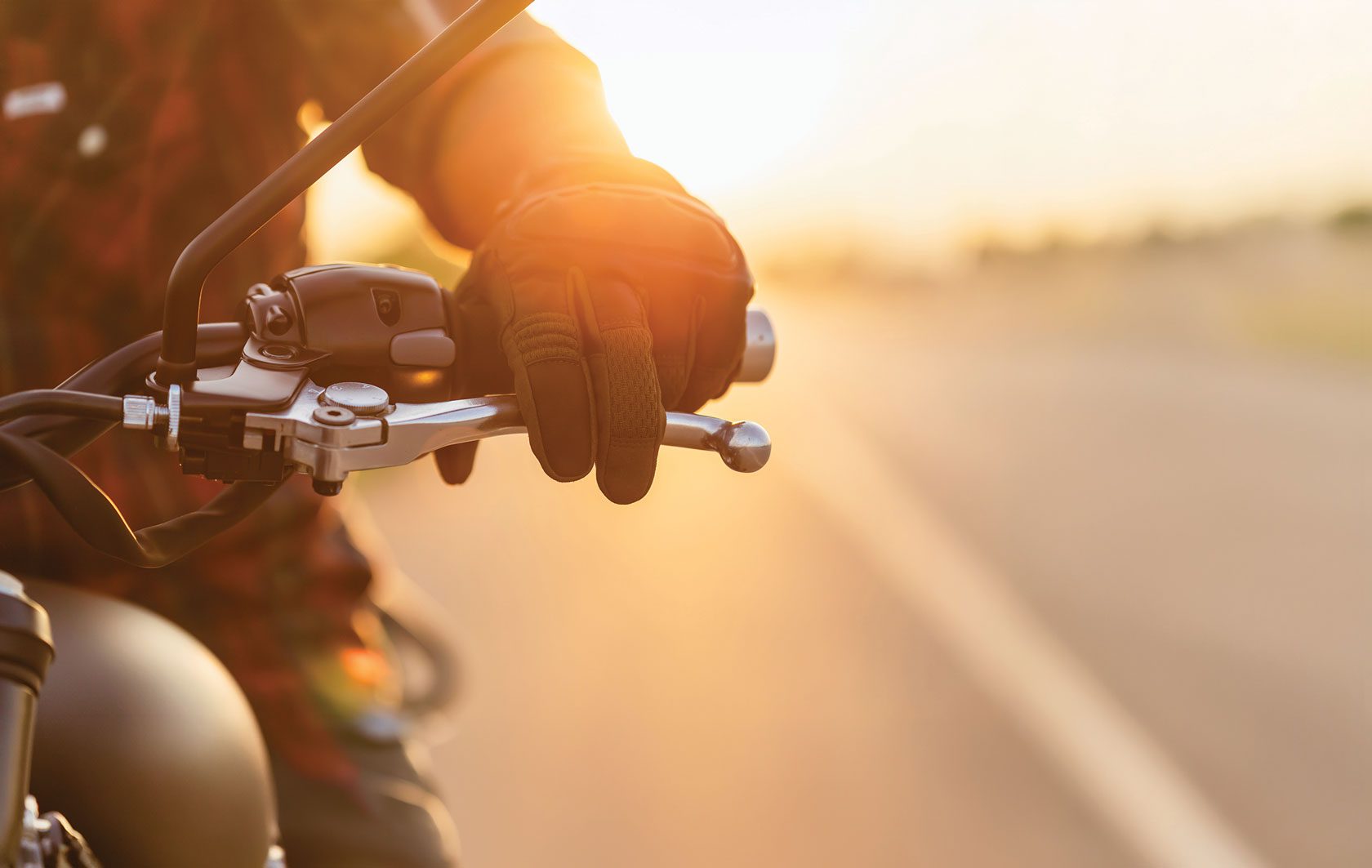
Avoiding Complacency While Riding a Motorcycle
By Mr. Joseph Fontanazza, Staff Writer
You are riding on your usual route home. You pass through the same traffic lights every day and know their timing well enough to recognize when each tends to turn red. You know the merge lane tends to tighten up for about half a mile before it opens up. Traffic moves just fast enough to feel smooth. The bike feels settled. Your mind starts wandering the way it does after a long day: What is for dinner? What time is tomorrow’s meeting? Did I answer that email?
As you ride, a car drifts toward your lane at that merge, moving slowly and casually, like it expects the space to be available. You react suddenly and intuitively. What just happened registers with you a beat later. Your head has barely moved for blocks; up until that moment, you were riding fine—but mentally somewhere else.
Riding complacency—an unconscious state of overconfidence caused by routine or experience that can result in mental wandering, decreased attention, and other unsafe behaviors—often sets in gradually. This complacency (or level of comfort) rarely feels dangerous. It feels earned, built after enough miles that the controls feel automatic and your route feels familiar. The ride starts to feel solved, so you stop checking things the way you used to. Although experienced riders usually stop making beginner mistakes, being in a routine brings its own mistakes, and routine mistakes carry weight, especially on two wheels.
Most people ride motorcycles because it feels like freedom. Wind clears your head. The bike responds immediately. You are one with the road. Even a short commute feels alive. That closeness between rider and environment shrinks the margin of error. However, if traction changes, visibility drops, or another driver makes a late move, you feel it fast. You have to respond just as quickly.
Staying safe on a motorcycle is usually about a run of small choices. Crashes rarely start with one obvious mistake. They start when a few minor problems stack up, and the rider does not adjust early enough. For example, you feel a bit tired; the road has a light sheen; visibility is worse than you expected; and traffic feels impatient or unpredictable. On a motorcycle, these details can change the entire ride.
The per-mile fatality rate is hard to ignore. The National Highway Traffic Safety Administration’s 2023 statistics put motorcyclists at 31.39 fatalities per one hundred million vehicle miles traveled, compared to 1.13 for passenger car occupants. That equates to roughly twenty-eight times higher per mile. These numbers do not forecast what will happen on a given ride, but they do underscore how much riding depends on sustained attention, anticipation, and judgment.
Complacency usually starts with scanning. You look forward and feel attentive, then your attention narrows until it turns into tunnel vision. Mirror checks shrink into quick flicks that do not yield any information. Intersections receive the same treatment—a glance instead of a full read. You lock onto the vehicle in front of you and miss the wider picture: a car creeping up to your left rear quarter, a driver two lanes over drifting, or the gap in your following distance closing ahead before you fully register it. Riders sometimes say, “I never saw them” after crashes, when what they really mean is they were looking but did not actually process what they saw.
Surface awareness fades in the same way. Pavement can look clean but still be slick in spots where cars commonly brake and accelerate. Painted road markings change once damp, especially in low light, when they become reflective. Metal can be just as unforgiving when wet, and you feel it through the handlebars the moment your front tire touches it. Work zones also shift constantly, and a familiar route can trick you into expecting yesterday’s pavement. That relaxed state misses the new patch, the steel plate, or the gravel pushed toward the gutter after a storm.
Traffic also reinforces complacent habits. For instance, your following distance shrinks, your lane position becomes a default (you stop actively managing your space), and your speed creeps up as you edge closer to the vehicle ahead. When traffic compresses again, you end up carrying more speed in less space. Then brake lights shine, and your tires and timing must do more work—right beside drivers who merge late or change lanes without checking their surroundings. Complacency turns “I have room” into an assumption instead of a fact you consciously checked.
Fatigue also makes riding complacent easier. Tiredness rarely appears as dramatic exhaustion; it often shows up as impatience or a shorter attention span, which can lead to later decisions and sharper inputs, reducing your safety margin with every rushed choice.
Experience riding motorcycles should make surprises on the roadway rarer, especially when paired with intention, even on roads you know best. Continue moving your head and eyes at intersections and merges. Keep a safe following distance and protect it as traffic builds. Admit when you are not feeling fully alert. Choose a safer means of transportation if needed. A motorcycle responds directly to rider input—every single time.