
Carrying the Nation’s Mission Forward
By Mr. Joseph Fontanazza, Staff Writer
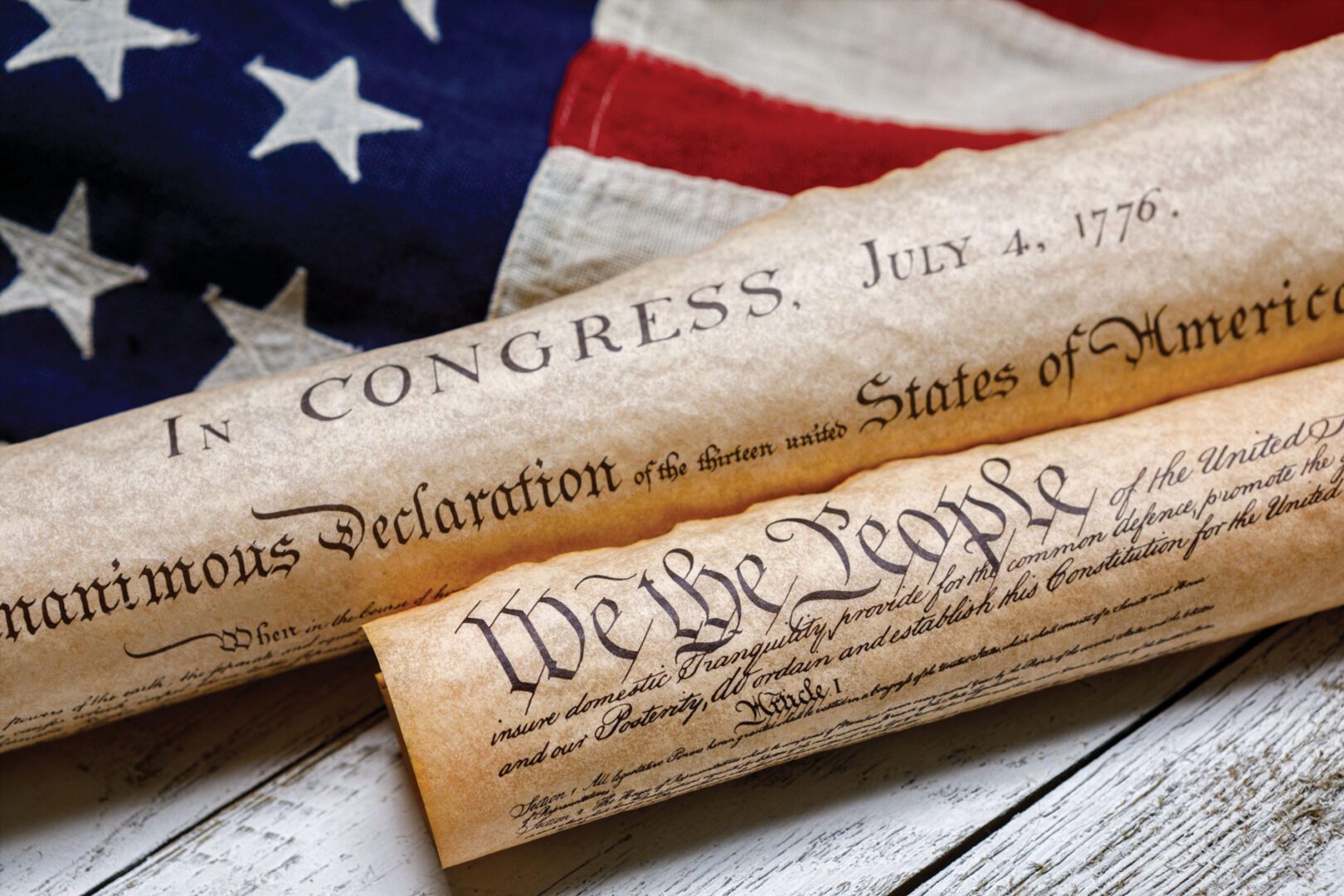
When the Continental Congress adopted the Declaration of Independence on July 4, 1776, the United States declared itself an independent nation. The words became significant, and their meaning did not remain confined to the document. The words became real through the people willing to stand behind them.
As the United States commemorates its 250th anniversary, the semiquincentennial draws renewed attention to that defining moment and to the generations of Americans who have carried the nation’s founding ideals forward. Although circumstances have changed considerably since 1776, the responsibility to protect and sustain the nation remains.
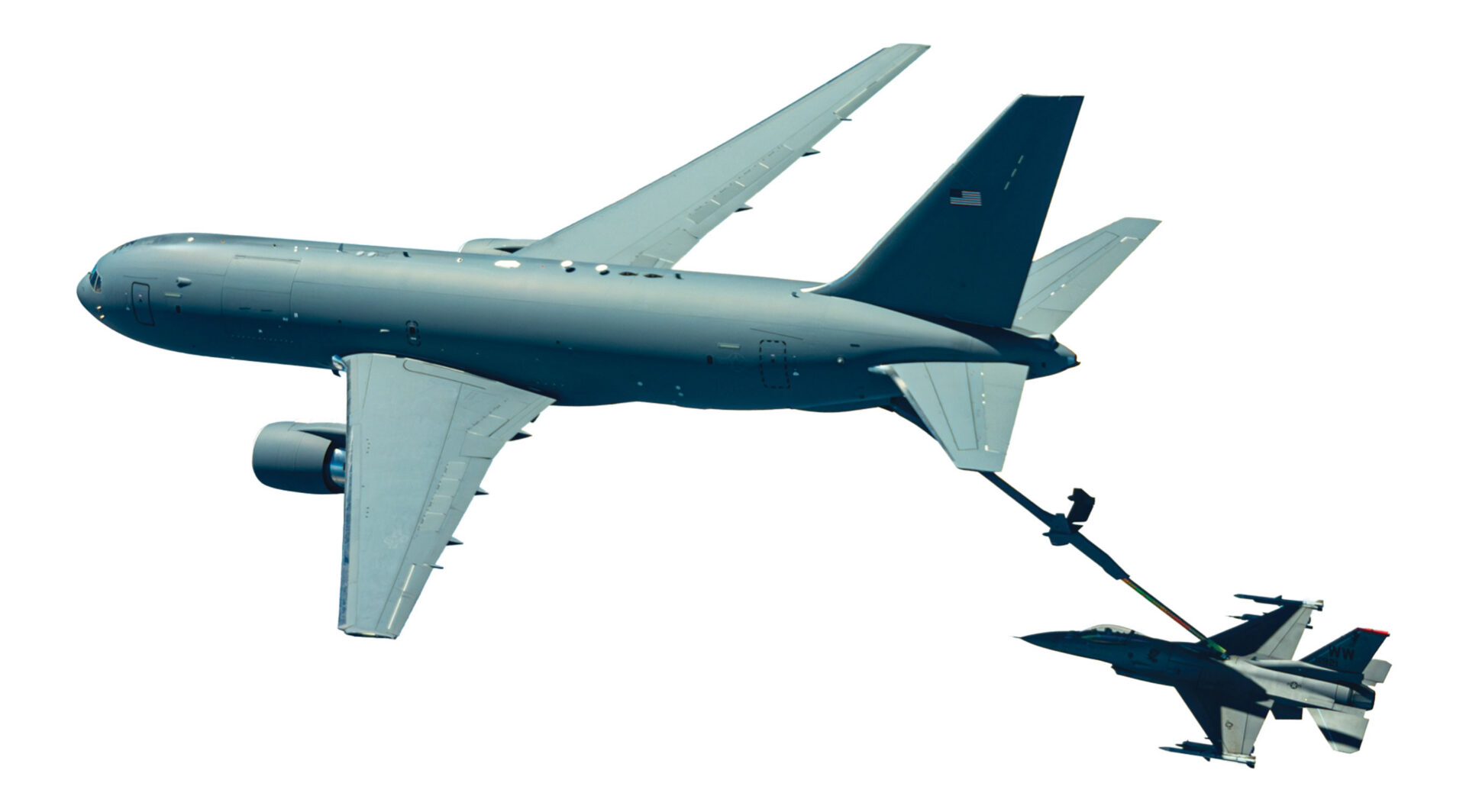
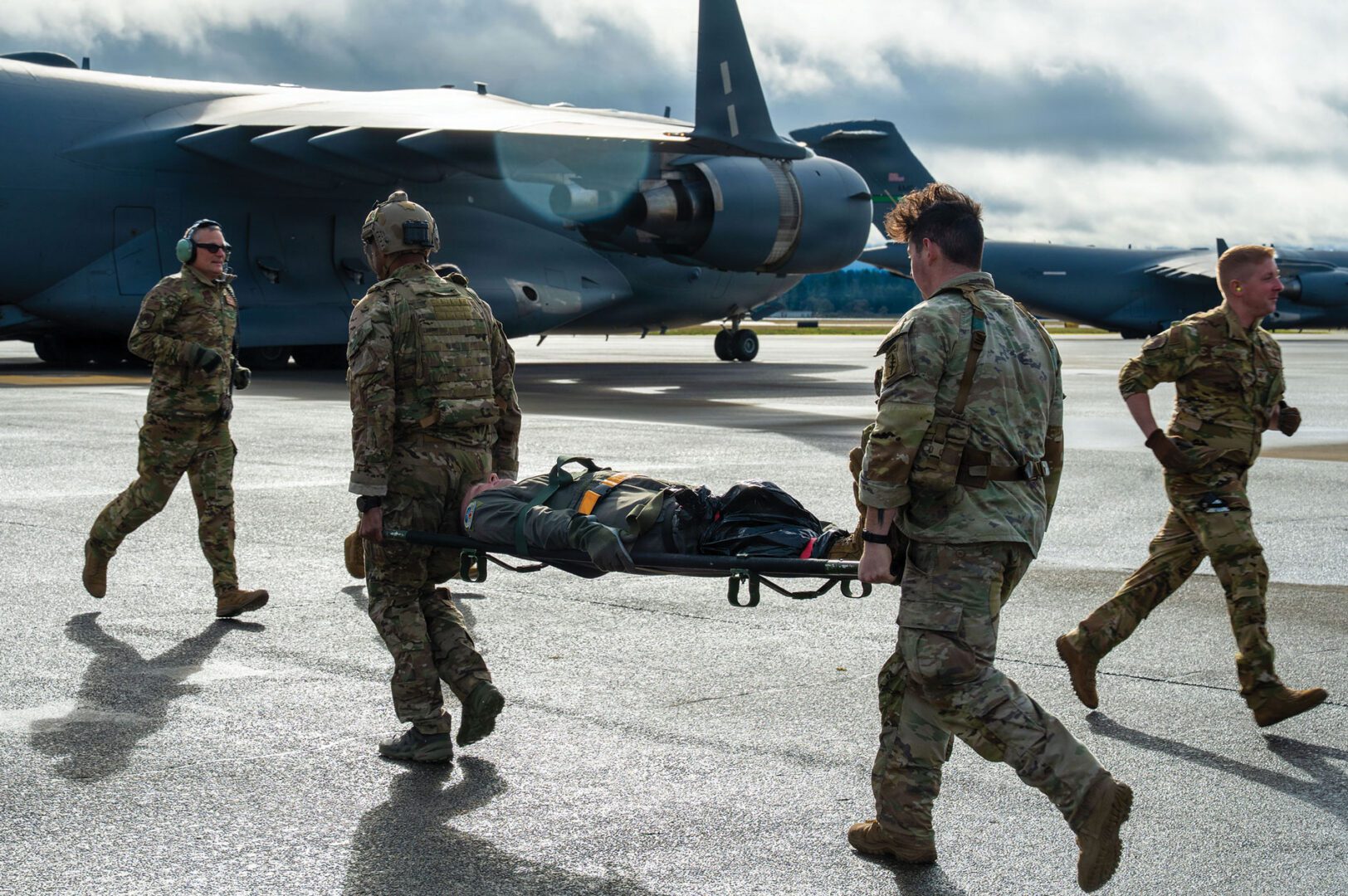
Air Mobility Command (AMC) carries out part of that responsibility through airlift, air refueling, aeromedical evacuation, global air mobility support, and command and control. These capabilities allow AMC to move and sustain the Joint Force in support of national objectives. Whether transporting Airmen and equipment, moving patients who require in-flight care, or delivering assistance during a crisis, AMC depends on people making informed decisions before emerging conditions limit their options.
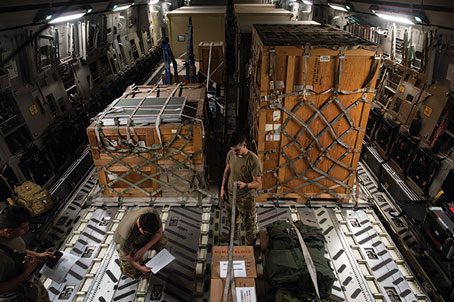
For example, by the time an aircraft taxis, Airmen are already shaping the conditions under which the mission will operate. Deliberate risk management helps crews identify hazards while there is still time to address them. A maintenance concern corrected before launch may prevent an aircrew from confronting a far more serious problem in flight. Likewise, careful planning, intelligence assessments, and cargo preparation provide crews with the information and resources needed to complete the mission safely.
Such work also depends on trust across the team. Although the aircrew is the most visible part of an operation, every flight is also shaped by other Airmen whose contributions occur behind the scenes. Crew Resource Management principles give that trust a practical role by encouraging communication, shared situational awareness, and the willingness to speak out when conditions no longer align with the plan. Mission success depends on Airmen at every level having both the knowledge and confidence to identify concerns before they grow.
During the Revolutionary War, discipline helped military forces maintain cohesion despite uncertainty, exhaustion, and limited resources. Within AMC today, discipline remains essential when operational demands increase and timelines become compressed. Technical orders, checklists, and established procedures are not obstacles to the mission; they serve as a layer of protection when pressure increases or circumstances diverge from expectations.
Mobility operations rarely unfold under perfect conditions. Weather may change after a route has been planned, ground conditions may shift before departure, and fatigue may begin to affect a crew before the schedule reflects the strain. Airmen must be prepared to reassess plans and address concerns as conditions evolve.
Training and exercises also help Airmen reassess quickly by allowing teams to test procedures, identify gaps, and practice decision-making before facing the same pressures during an operational mission. Such preparation protects more than a single flight; preventing a mishap keeps an aircraft available for the next operation, while managing fatigue helps ensure crews remain ready as conditions change.
AMC’s flightlines may be far removed from the battlefields and supply routes of 1776, but the work still comes down to people accepting responsibility for something larger than themselves. Two hundred and fifty years later, AMC carries that responsibility forward through disciplined preparation, sound judgment, and service in support of the nation’s interests. By protecting Airmen and sustaining the Joint Force, the command helps ensure the Nation remains ready to meet the challenges ahead.
To view the Declaration of Independence in its entirety, visit https://www.archives.gov/founding-docs/declaration-transcript.