
Human Factors, Fatigue, and the Future of Safety in AMC Operations
By Ms. Lauren Fosnot, Staff Writer
Air mobility operations move fast—and the margin for error is razor-thin. From global aircraft movements and maintenance activities to mission-critical decisions made under intense time pressure, safety depends on sharp individual performance and seamless team coordination.
Think about swerving to avoid a deer on a dark road, dodging a fast-moving player on a basketball court, or making a split-second aviation decision with mission-level consequences. In each case, microseconds matter. Reaction time, situational awareness, and judgment often determine whether an event ends safely or becomes a mishap.
While Airmen are the Air Force’s greatest asset, they are also human—and human performance can degrade under demanding conditions. Fatigue, in particular, plays a quiet but powerful role. As air mobility operations grow more complex and fast-paced, the Air Force is increasingly turning to artificial intelligence (AI) and emerging technologies to help reduce risk, strengthen decision-making, and support the humans at the center of the mission. At the same time, partner nations are adopting similar tools to enhance readiness, performance, and safety across their air mobility operations.
A wide range of human performance factors can contribute to operational risk, including breakdowns in communication, distraction, stress, resource constraints, decision-making under pressure, and more. While each of these challenges can erode safety margins on its own, fatigue stands apart because of its ability to intensify them all. Rarely occurring in isolation, fatigue compounds stress, degrades communication quality, increases complacency, and reduces situational awareness—often without being immediately recognized by the individual experiencing it.
Fatigue as a Human Factors Risk
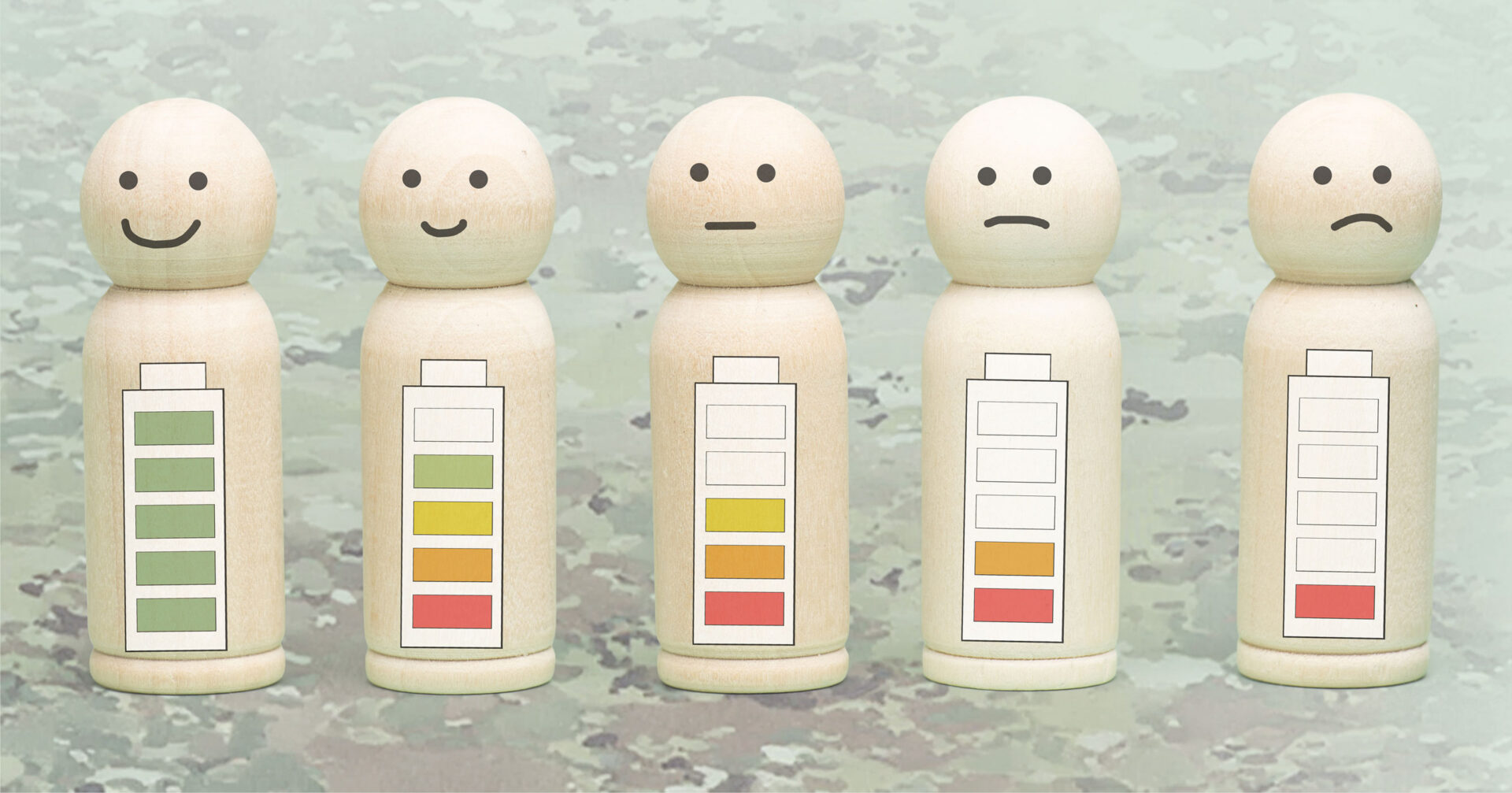
Fatigue is often misunderstood as simply “being tired.” In reality, fatigue is a measurable decline in both physical and cognitive performance that develops over time and interacts with task demands, environmental conditions, and an individual’s physiological and psychological state.
Research shows that fatigue can do the following:
- Degrade physical performance, resulting in slower movements, reduced coordination, and diminished motor control.
- Impair cognitive performance, leading to slower reaction times, reduced attention, lapses in vigilance, and delayed decision-making.
- Alter behavior, influencing risk tolerance, pacing, motivation, and task engagement. Individuals may take shortcuts, miss cues, or disengage altogether without realizing it.
- Emerge from multiple interacting determinants, including sleep loss, extended duty periods, workload intensity, circadian rhythm disruption, stress, and environmental conditions—making fatigue a system-level issue rather than solely an individual one.
Because of this complexity, fatigue risk cannot be fully understood by tracking hours awake or duty schedules alone. Monitoring both objective performance indicators and subjective perceptions of fatigue provides a more complete picture of human risk, especially in safety-critical operations.
Technology, AI, and the Human–Machine Partnership
As operational demands increase, AI-enabled tools are playing a growing role in fatigue risk management and overall safety. Rather than replacing human decision-making, these technologies are designed to support, augment, and inform it.
AI-driven systems can do the following:
- Analyze work-rest patterns, performance trends, and alertness indicators.
- Identify elevated fatigue risk before performance visibly degrades.
- Provide individualized feedback and recommendations for rest, workload management, or task timing.
- Support commanders and supervisors with data-informed insights to guide operational decisions.
When paired with human judgment, these tools help shift fatigue management from a reactive model—responding after a mishap—to a proactive, preventive approach.
The Path Forward
Safety in air mobility operations depends on understanding how humans perform under pressure and how fatigue quietly erodes performance over time. By acknowledging fatigue as a system-level human factors issue—and by pairing human expertise with intelligent technologies—the Air Force and its partners can better protect personnel, preserve readiness, and reduce risk across every phase of the mission.