
Building the AMC of Tomorrow: Turning Your AMC Opportunities into Experience—and Experience into Leadership
By Ms. Lauren Fosnot, Staff Writer
An assignment in Air Mobility Command (AMC) offers more than a job—it offers access. From global operations and joint exercises to enterprise-level training and leadership development, AMC provides Airmen with opportunities that extend far beyond their day-to-day roles.
The pace and complexity of the mobility mission demands adaptability, initiative, and sound judgment. Airmen who take ownership of their development—by seeking out training, engaging across career fields, and learning from each experience—build skills that translate well beyond a single tour or duty title. These experiences shape multicapable Airmen who understand not only how to execute the mission, but how to lead within it.
AMC’s training ecosystem, professional networks, and safety culture are designed to support that growth. By actively engaging with the opportunities already in place, Airmen can turn everyday experiences into lasting professional development—strengthening both their own careers and the mobility force as a whole.
Pursue Mobility-Focused Education and Training
The U.S. Air Force Expeditionary Center is the Air Force’s hub for expeditionary and mobility education. Beyond well-known courses, the center offers contingency response training, joint logistics education, and advanced mobility planning exposure—ideal for Airmen who want to understand how the mobility mission operates in real-world environments.
https://www.expeditionarycenter.af.mil
Treat Learning as a Continuous Process
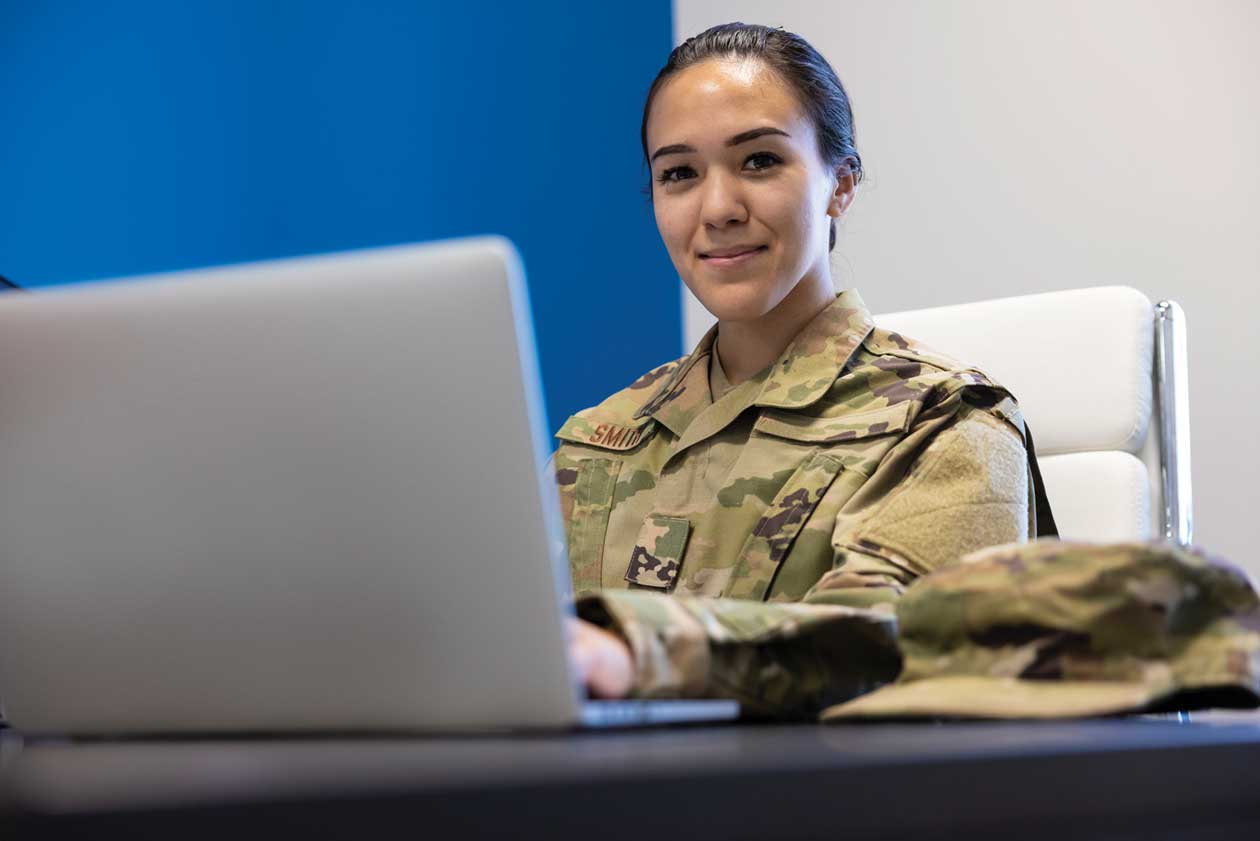
Formal training is only one piece of development. The DAF Learning Services platform offers self-paced courses in leadership, project management, data literacy, safety, and emerging technologies.
Additionally, Air University provides online electives and leadership content beyond traditional Professional Military Education pathways, supporting critical thinking and communication skills at every career stage.
https://www.airuniversity.af.edu
Build Leadership Through Safety and Risk Management
Safety training develops judgment, decision-making, and accountability—skills essential to leadership at every level. Through risk management, human factors, and mishap prevention education, the Air Force Safety Center supports safer decision-making across the force.
Crew Resource Management principles—communication, teamwork, and error prevention—are also applicable well beyond the flightline, strengthening leadership effectiveness in any environment.
Use Base-Level Development Opportunities
Most AMC installations offer Professional Development Centers or education offices that host mentorship programs, leadership workshops, résumé preparation, and career counseling. These local resources provide low-barrier access to professional growth and are often a gateway to broader opportunities.
Volunteer for Cross-Functional Experiences
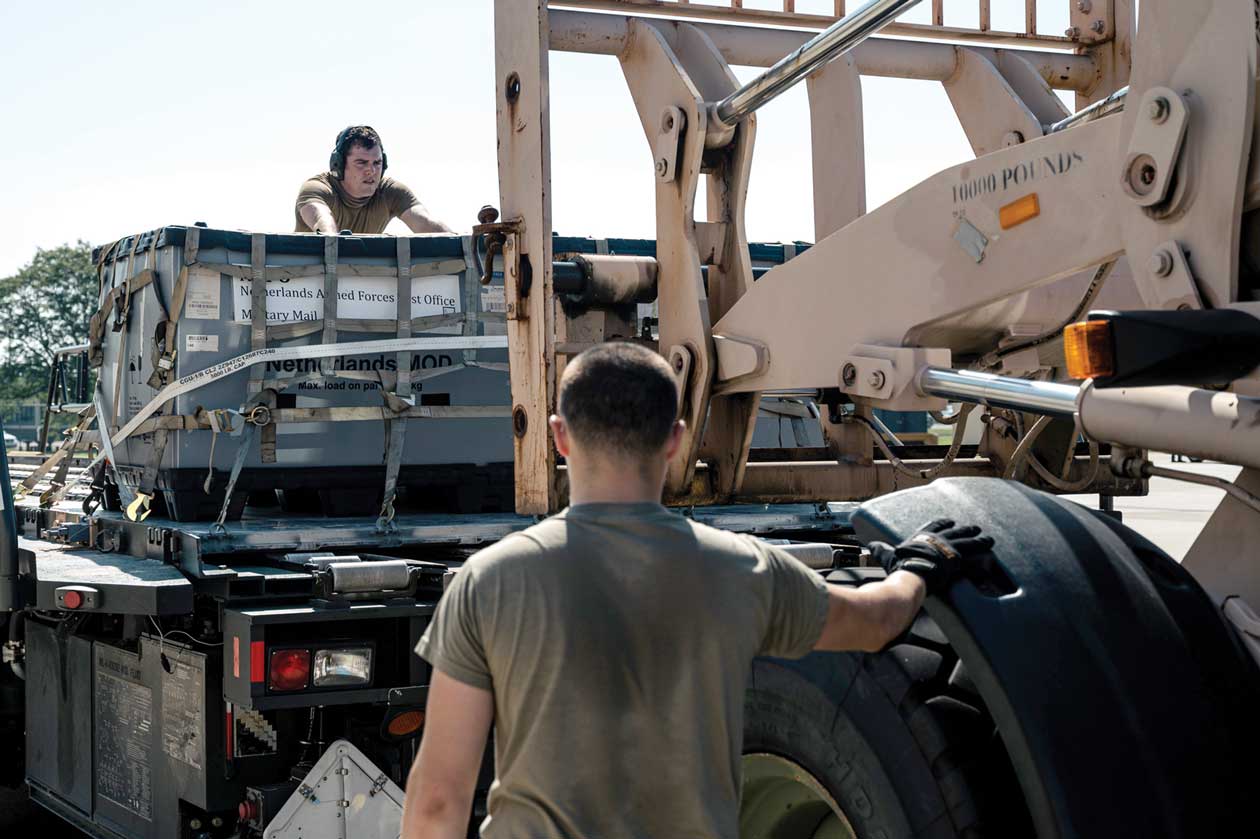
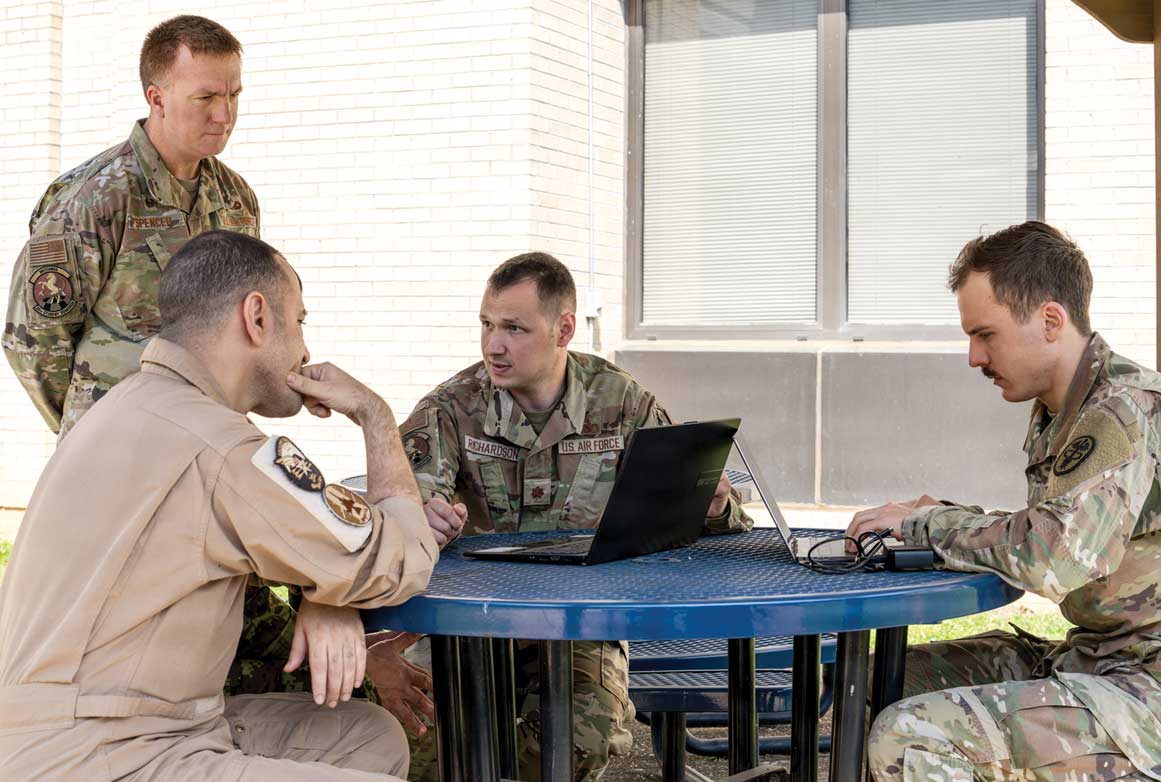
Some of the most impactful learning happens outside formal classrooms. Participation in exercises, working groups, tiger teams, safety councils, or innovation cells exposes Airmen to cross-functional problem-solving and senior-leader engagement. These experiences develop adaptability, collaboration, and enterprise-level thinking.
Joint and multinational exercises—such as mobility, humanitarian assistance, or disaster response events—offer valuable exposure to coalition operations and real-time decision-making.
Develop Networking and Mentorship
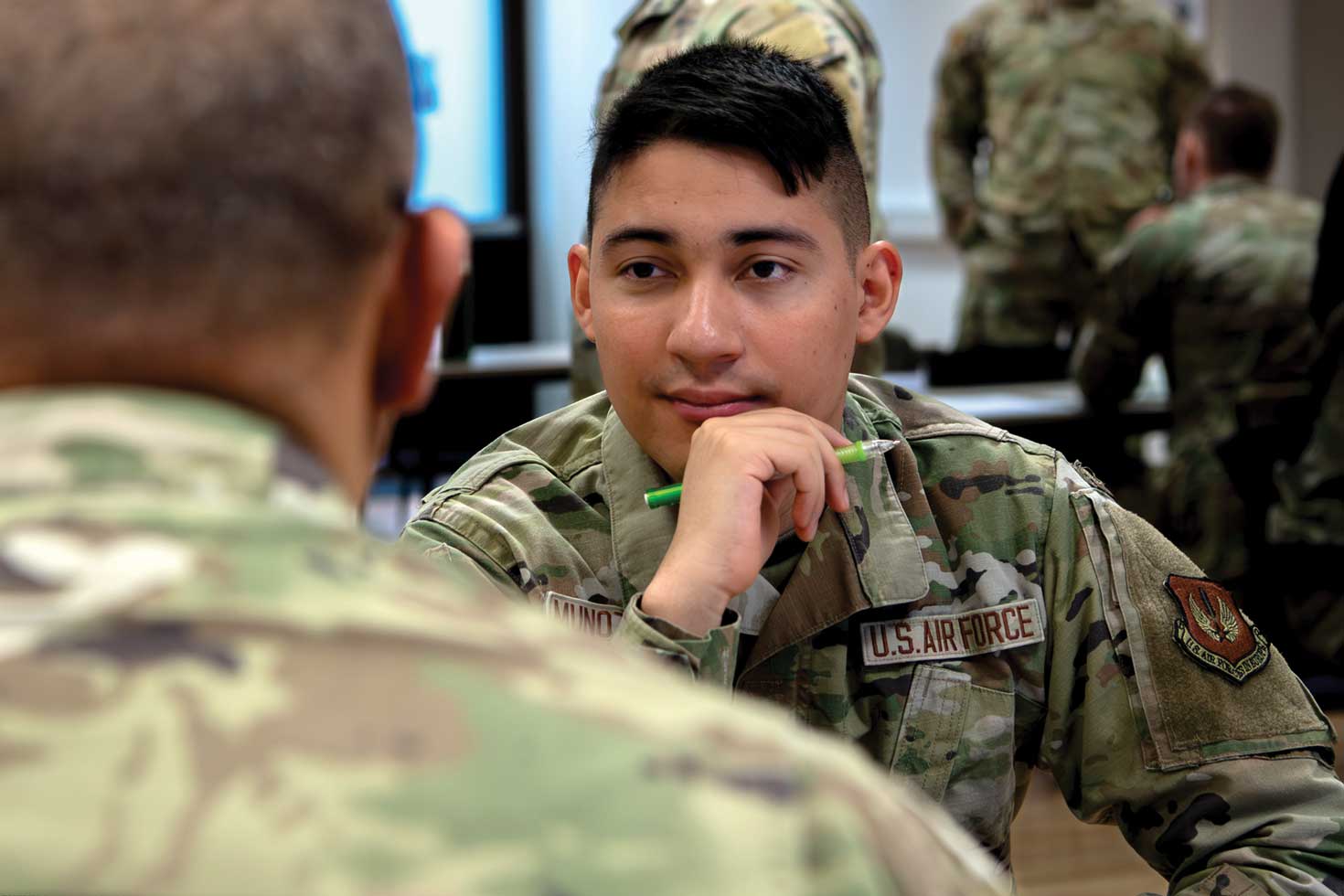
Professional growth is strengthened through connection. Formal and informal mentorship relationships help Airmen gain perspective, navigate career decisions, and learn from the experiences of others across the mobility enterprise.
Contributing to shared knowledge also plays a role in professional development. Writing articles, lessons learned, or insights for command publications such as The Mobility Forum builds communication skills while supporting a culture of learning and continuous improvement.
Airmen who invest in relationships across squadrons, wings, and career fields gain a broader understanding of how AMC operates—and how effective leadership takes shape within the mobility mission.
Many of the most valuable development opportunities at AMC are not assigned—they are pursued. By intentionally engaging with training, safety, education, and cross-functional experiences, Airmen can actively shape their AMC experience and emerge as multicapable leaders ready for the demands of the future fight.