
The Power of Storytelling
By Ms. Lauren Fosnot, Staff Writer
Let me share a personal story. In 2009, I was thirteen years old, enjoying a family trip to Waikiki Beach with my dad. My parents are divorced, which meant my mom armed me with a long list of warnings before I left: wear sunscreen, do not talk to strangers, and if caught in a rip current—swim parallel to the beach. She even sent me articles filled with stories to support her concerns.
On day two, we were swimming behind Waikiki’s concrete barriers, where the surf seemed calm. But I was thirteen, curious, and testing limits. I edged too close to the gap where the water funneled out. In an instant, I was swept off my feet and dragged backward as though chained at the ankles.
Fortunately, one of my mom’s stories clicked: swim parallel. Instinct took over. I fought sideways, broke free, and clawed my way to the rocks until my dad could reach me.
That was the day I learned that safety advice programs your instincts. In a crisis, you do not recall a checklist or a statistic—you remember a story.
Why Stories Stick
Stories linger with us; they are humanity’s oldest survival tool. Long before manuals and training guides, fables, myths, and tales taught people how to live, adapt, and endure. From Aboriginal Dreamtime to West African griots, stories are a universal thread.
Think of Aesop’s fable of “The Tortoise and the Hare”: slow and steady wins the race. Simple. Timeless. Still taught today. That is the staying power of stories—they shape how we think, lead, and live.
Even Walt Disney’s empire started with a story. His father, a carpenter at the Chicago World’s Fair, came home each night with tales of the lights and the spectacle. Those stories stuck with young Walt, sparking an imagination that would eventually create Disneyland. Stories clearly do not fade—they build momentum.
The Science Behind It
Research confirms what we already feel instinctively: people remember far more from stories than from raw facts—about sixty-five to seventy percent of information delivered through storytelling, compared to only five to ten percent when presented as data alone.
Why? Because stories not only activate the brain’s language centers, but they also light up the regions tied to our senses, movement, and emotions. They even trigger oxytocin, the “trust and empathy” hormone, which helps build bonds, strengthen teams, and cut through stress and distraction.
Stories also satisfy our brain’s craving for structure. A clear narrative pattern makes information easier to understand and remember, especially when we are under stress. Stress interferes with working memory and executive function, but structured communication still gets through. And in today’s day and age, stress is everywhere—you are balancing mission demands, family life, and grocery bills that make eggs seem like a luxury item. In times like these, memorable communication is what cuts through the clutter.
That is where storytelling proves its value. By creating shared understanding and strengthening team cohesion, storytelling helps teams work together more effectively. For Air Mobility Command—where trust, communication, and coordination are essential—those stronger connections can directly support mission success and safety.
Stories in Air Mobility Command’s DNA
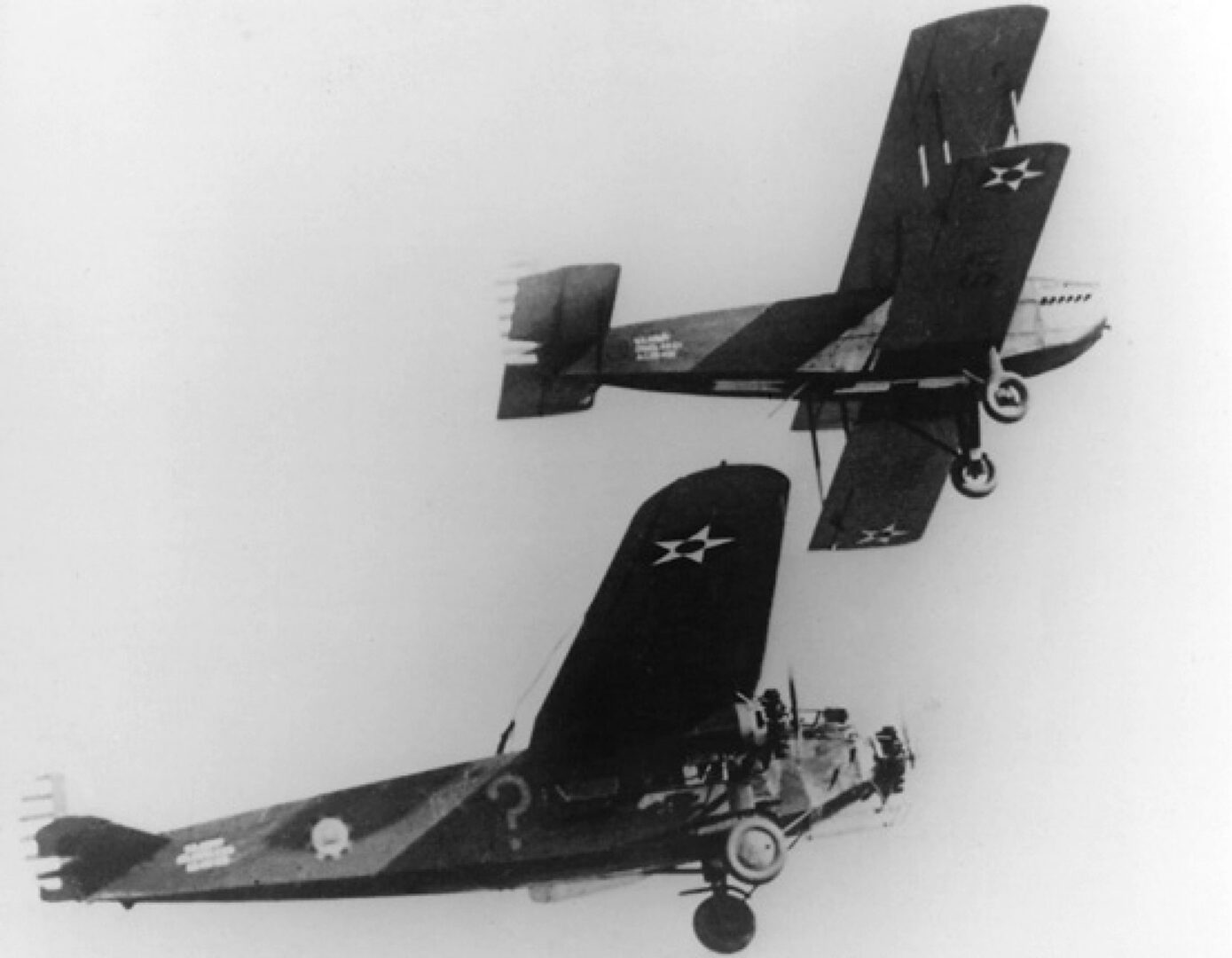
The roots of today’s mobility operations trace back decades before AMC was established. Its legacy is built on stories. In 1929, the Question Mark flight proved that aerial refueling was possible, keeping a plane aloft for nearly a week. It was risky, bold, and it set the stage for today’s mobility operations.
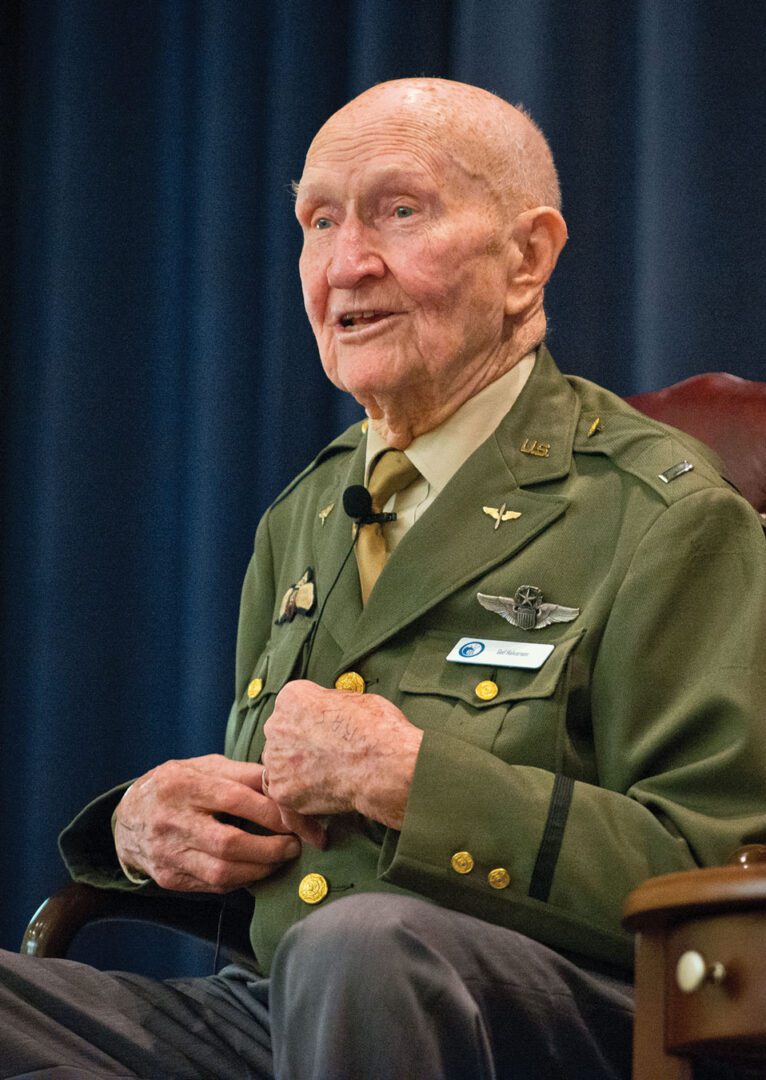
During the Berlin Airlift, Col Gail Halvorsen’s candy drops showed the world that kindness could be as powerful as strategy. His story has endured for decades because it carried a deeper message: how we treat others matters.
From World War II ferrying missions to Cold War innovations to today’s Agile Combat Employment strategies, safety lessons have always been told through stories. Programs like Just Culture, Airman Safety Action Program, and Hazard Review Boards are not just checklists—they are built on narratives of trial, error, and progress.
From the Past to the Future
Storytelling not only preserves history—it also builds readiness.
In this increasingly digital world, where scrolling replaces speaking, human connection is more vital than ever. That is why your story matters.
Sharing the Legacy
Stories are not just anecdotes. They are blueprints. They are the threads that tie the past to the present and prepare us for the future.
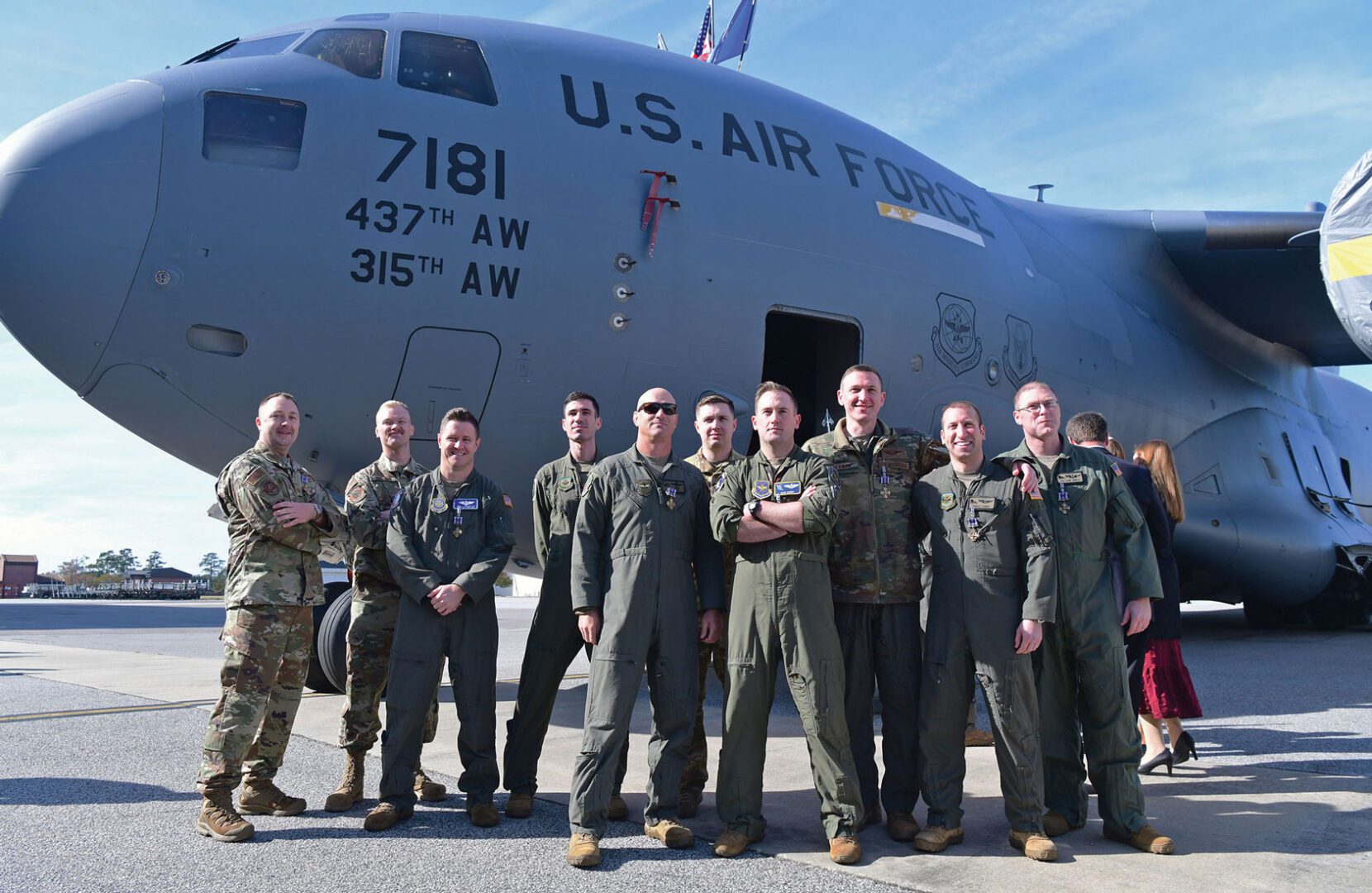
As a writer for The Mobility Forum, I have interviewed countless Airmen. Every one of them has a story worth sharing. Leaders, share your lessons with the next generation. Share them with your peers. Share them with us—we would be honored to publish them.
So, what stories will you tell?
To submit a story for The Mobility Forum, please email info@schatzpublishing.com.