
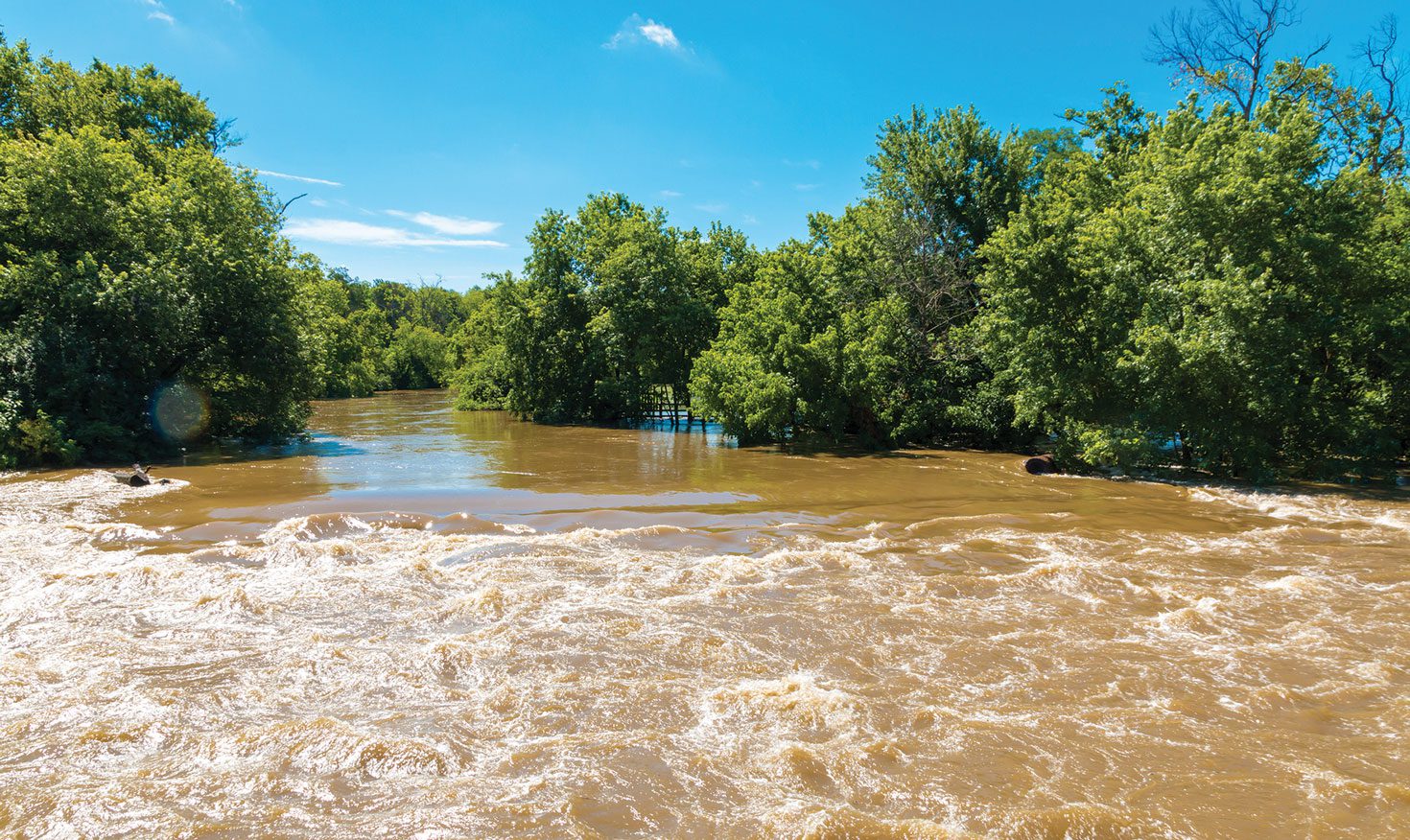
Flash Flood Safety
By Ms. Sofia Schatz, Staff Writer
Flash floods are sudden and dangerous events that occur when water rapidly accumulates on normally dry land due to intense rainfall, storm surges, or overflowing waterways. Unlike gradual flooding, flash floods can develop within minutes, leaving little time to react. These events can disrupt transportation, damage infrastructure, cause power outages, and pose serious risks to personal safety. Proper preparation and knowing how to respond can significantly reduce the risk of injury or loss of life.
How to Prepare Before a Flash Flood
Preparation is the most effective way to protect yourself and others during a flash flood.
Know your risk.
Understand whether your home, workplace, or commute routes are in flood-prone areas. Even areas not traditionally considered high risk can flood during heavy rainfall. Stay informed through weather alerts, local news, and emergency notification systems.
Create an emergency plan.
Identify evacuation routes and determine safe locations on higher ground. Make sure household members know where to go and how to communicate if separated. Include pets in your evacuation planning.
Prepare an emergency kit.
Have essential supplies ready in case you must evacuate quickly or lose access to utilities. Your kit should include the following:
- Drinking water
- Non-perishable food
- Flashlights and extra batteries
- First aid supplies
- Portable phone charger
- Important documents stored in waterproof containers
Protect your property.
Move valuable items and important documents to higher levels. Clear drains and gutters to improve water flow and reduce the risk of flooding inside your home.
What to Do During a Flash Flood
If a flash flood occurs, immediate action is critical to protect your safety.
Move to higher ground immediately.
Do not wait if water levels begin rising. Avoid basements, low-lying areas, and underpasses. Follow evacuation orders from local authorities without delay.
Avoid walking, swimming, or driving through floodwater.
Floodwater can move faster and be deeper than it appears. As little as six inches of moving water can knock a person off their feet, and one foot of water can sweep away a vehicle. Water may also conceal debris, sharp objects, or open hazards.
If trapped in a vehicle, prioritize escaping safely.
If water begins rising around your vehicle, exit the vehicle and move to higher ground if it is safe to do so. If escape is not possible and water enters the vehicle, move to the highest point available and signal for help.
Turn off utilities if it is safe.
If time permits, shut off electricity, gas, and water services to reduce the risk of electrical shock or fire hazards.
Stay informed.
Monitor local news, emergency alerts, and official instructions. Emergency responders provide guidance based on changing conditions and safety risks.
Immediate Safety and Health Measures
After floodwaters recede, hazards may still be present. Continue prioritizing safety.
Avoid contact with floodwater.
Floodwater may contain sewage, chemicals, bacteria, and other harmful contaminants. Avoid wading in standing water whenever possible.
Watch for electrical and structural hazards.
Do not touch electrical equipment if it is wet or if you are standing in water. Be cautious of weakened roads, damaged bridges, and unstable structures.
Return only when authorities say it is safe.
Follow official guidance regarding re-entry into affected areas. Road closures and unsafe conditions may still exist even after visible water has receded.
Use protective equipment during cleanup.
Wear gloves, boots, and protective clothing when handling debris or cleaning flooded areas. Mold can begin developing within twenty-four to forty-eight hours, so prompt and safe cleanup is important.
Document damage and assess conditions carefully.
Photograph damage and evaluate your environment for safety risks before beginning repairs or cleanup.
Flash floods can occur suddenly and with little warning, making preparation and rapid response essential. Understanding your flood risk, creating an emergency plan, and preparing essential supplies can help prevent harm. During a flood, moving to higher ground, avoiding floodwater, and following official guidance are critical safety measures. After the flood, continued caution is necessary to avoid hidden hazards and health risks. Taking these steps can help protect lives, reduce injuries, and support safer recovery.
Prepare an emergency kit that includes the following:
- Drinking water
- Non-perishable food
- Flashlights and extra batteries
- First aid supplies
- Portable phone charger
- Important documents stored in waterproof containers