
Quickstoppers: MOOSE 70: A Case Study in Airmanship and Calculated Risk
By Staff Writer
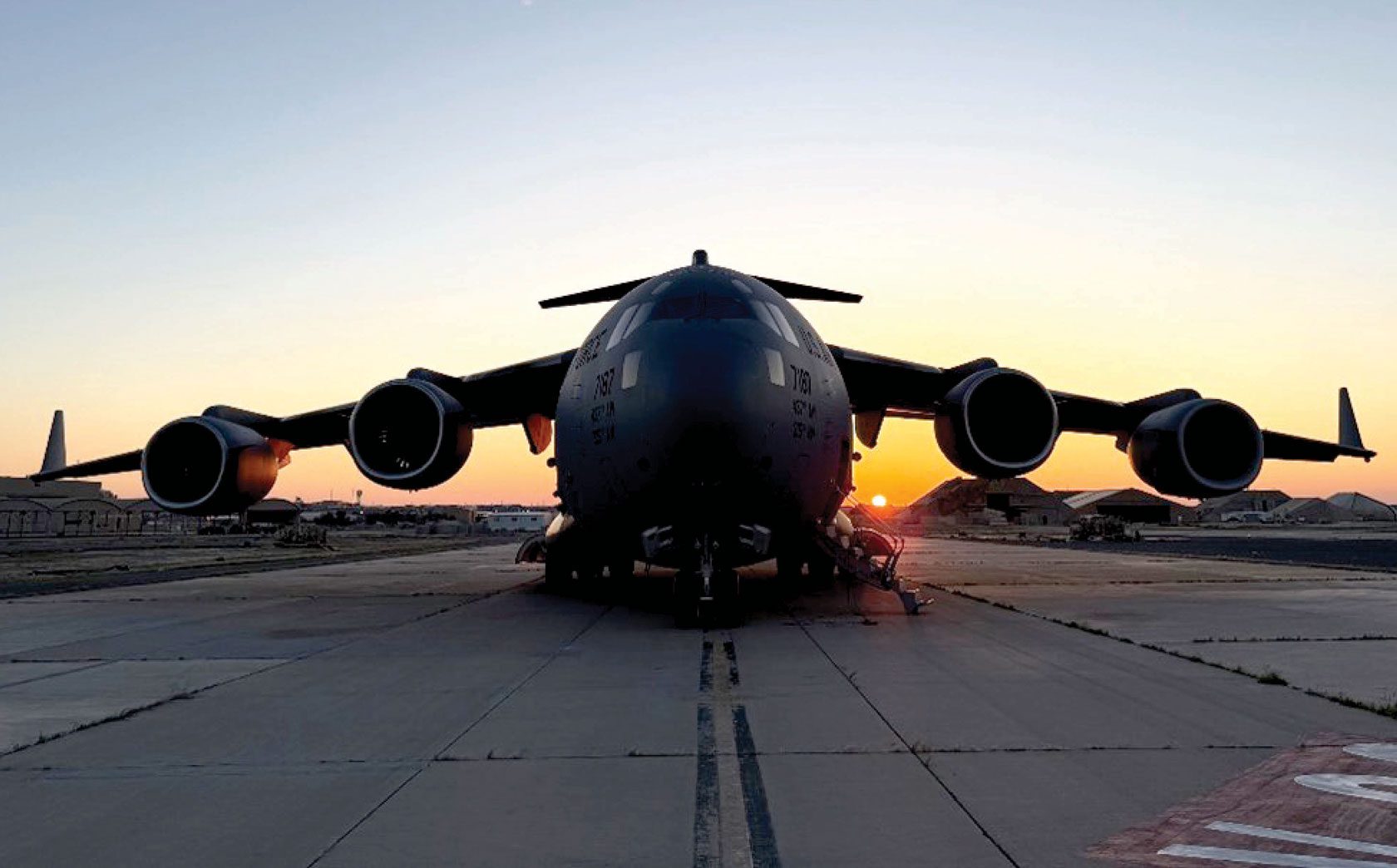
On March 27, 2026, MOOSE 70, a C-17A Globemaster III crew from the 6th Airlift Squadron, faced a series of escalating challenges that tested their expertise, decision-making, and airmanship. Their experience at Duqm International Airport in Oman serves as a powerful real-world case study in managing emerging risks and fostering a proactive safety culture.
The mission began as a standard cargo transport, but complications arose during preflight operations. After identifying an issue with the auxiliary power unit’s air pressure, the crew of MOOSE 70 experienced a failed start on Engine #3. Following a second unsuccessful attempt, the crew, in consultation with maintenance personnel, made the prudent decision to ground the aircraft and await a Maintenance Recovery Team. This initial choice underscored a commitment to standard procedure and safety, prioritizing the well-being of the crew and the integrity of the aircraft over expediency.
Over the next two days, the situation evolved. On March 29, the U.S. Embassy in Oman, citing the time-sensitive nature of the mission, requested that the crew of MOOSE 70 depart in a three-engine configuration. This was no ordinary three-engine ferry flight. The aircraft’s gross weight was 391,000 pounds, a full fifty-one thousand pounds over the flight manual’s prescribed limit for a three-engine takeoff.
Faced with this high-stakes scenario, the aircrew exemplified a proactive safety mindset. They immediately began to mitigate the risks by:
- Practicing Procedures: The crew thoroughly reviewed and rehearsed the Expedited Three-Engine Takeoff procedures.
- Analyzing Performance: They ran performance charts and calculated critical flight parameters, assuming a lower weight to understand the baseline requirements and the additional risks of their overweight condition.
- Contingency Planning: The crew discussed and planned for potential emergencies, from brake release to an altitude of one thousand feet, including the critical possibility of a second engine failure.
This preparation was not done in isolation. The crew’s situation drew the attention and support of leaders across Air Mobility Command (AMC). The 618th Air Operations Center (Tanker Airlift Control Center) and the AMC Chief of Standardization and Evaluations (AMC/A3V) were engaged, and Boeing engineers provided crucial takeoff and landing data for the unprecedented overweight three-engine departure. Fellow C-17A aircrews from the 305th Air Mobility Wing and 437th Airlift Wing even flew the same parameters in a simulator to provide valuable lessons learned to the crew of MOOSE 70.
With this support and their own rigorous preparation, the crew of MOOSE 70 accepted the mission. During takeoff, the aircraft commander demonstrated exceptional skill, using significant rudder and brake inputs to maintain directional control as the two port-side engines delivered maximum thrust. Once airborne, the crew expertly managed the aircraft’s configuration, climbing safely away from the airfield and turning out over the ocean to avoid populated areas.
After a four-hour flight, MOOSE 70 landed safely in Jordan, concluding a mission that showcased the remarkable capabilities of both the C-17A and its crew. The events at Duqm highlight the importance of:
- Airmanship and Proficiency: The crew’s ability to handle the aircraft under extreme conditions was a direct result of their training and expertise.
- Calculated Risk Management: The decision to undertake the overweight three-engine takeoff was made only after extensive analysis, collaboration, and mitigation of the associated risks.
- Teamwork and Communication: The successful outcome was a team effort, involving not only the aircrew but also leadership and technical experts across the command.
The experience of the MOOSE 70 crew—Maj. Christopher Teaford, Maj. Jenna Dolata, Capt. Abdullah Ghori, Senior Airman Codie Hayne, Airman 1st Class Bernardo Salazar, Staff Sgt. Marcel Banez, and Airman 1st Class Dylan Stockwell—provides invaluable lessons for the entire mobility enterprise. It is a testament to the professionalism of our Airmen and a compelling reminder that a proactive safety culture is not about avoiding risk at all costs, but about understanding, respecting, and managing it effectively.