
The Mobility Forum Stories

Working in Summer Conditions
By Mr. Joseph Fontanazza, Staff Writer
Working a shift in summer heat challenges efficiency and safety… and can feel a lot longer than the clock says it took. By midday, the pavement has been absorbing solar radiation and radiating heat back into the work area for hours. Equipment sitting on that surface heats up as well, and work that once felt ordinary or straightforward starts requiring more time, focus, and physical effort. As Airmen, the checklist is still the checklist, and handling procedures do not loosen up as the temperature climbs—even though the crew is operating in conditions different from those of the cooler hours earlier in the day.

Change as a Force Multiplier: What Airmen and Leaders Can Learn About Overcoming Resistance
By Ms. Lauren Fosnot, Staff Writer
Across Air Mobility Command (AMC)—and the Air Force more broadly—change has been a constant companion. From force structure adjustments and aircraft modernization to new deployment models, digital tools, and command relationships, the service has made deliberate, positive shifts to prepare for the future fight. These transformations are essential for maintaining readiness in a complex and contested environment.
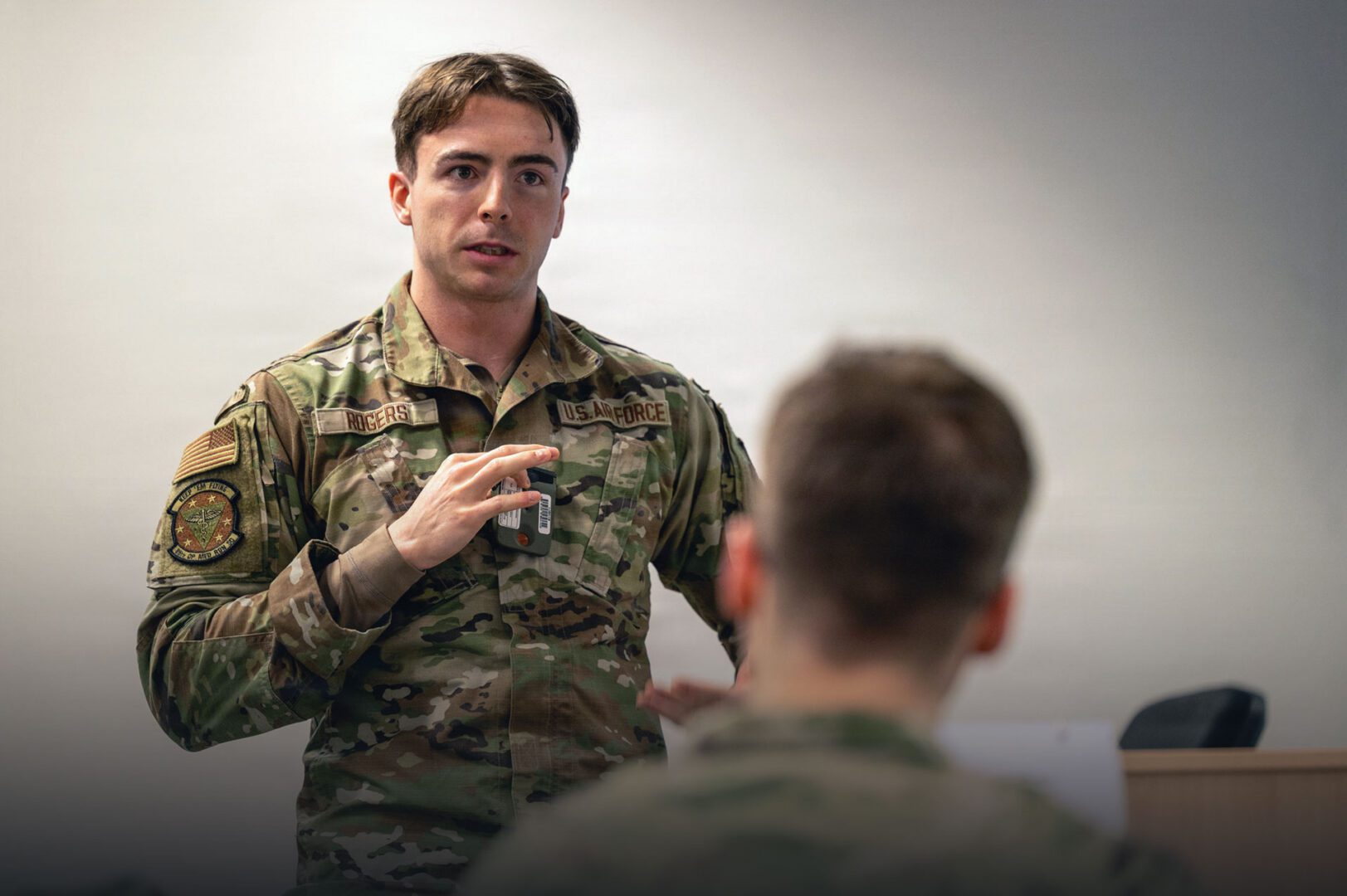
Training for Tomorrow: Ramstein Airmen Sharpen Readiness During Radiant Falcon
By SrA Renan Arredondo, 86th Airlift Wing Public Affairs
U.S. Air Force (USAF) Airmen assigned to the 86th Operational Medical Readiness Squadron (86 OMRS), the 86th Aircraft Maintenance Squadron, the 786th Civil Engineer Squadron (786 CES) emergency management flight, and the 86th Airlift Wing (86 AW) safety office participated in exercise Radiant Falcon to obtain and strengthen proficiency in radiological contamination detection and decontamination safety techniques on Feb. 12, 2026, at Ramstein Air Base, Germany. This exercise integrated hands-on training to bolster response capabilities within a simulated radiological contamination scenario involving an aircraft. The objective was to guarantee mission continuity while safeguarding personnel through efficient radiation detection and control.

Trust Your Gut? The Science Behind a Gut Feeling
By Ms. Lauren Fosnot, Staff Writer
One time as a child, I was playing in the front yard, completely absorbed in whatever felt important at the time—music in my ears, attention elsewhere. I had not heard a bark. I had not seen a shadow. But something in me said, Turn around.
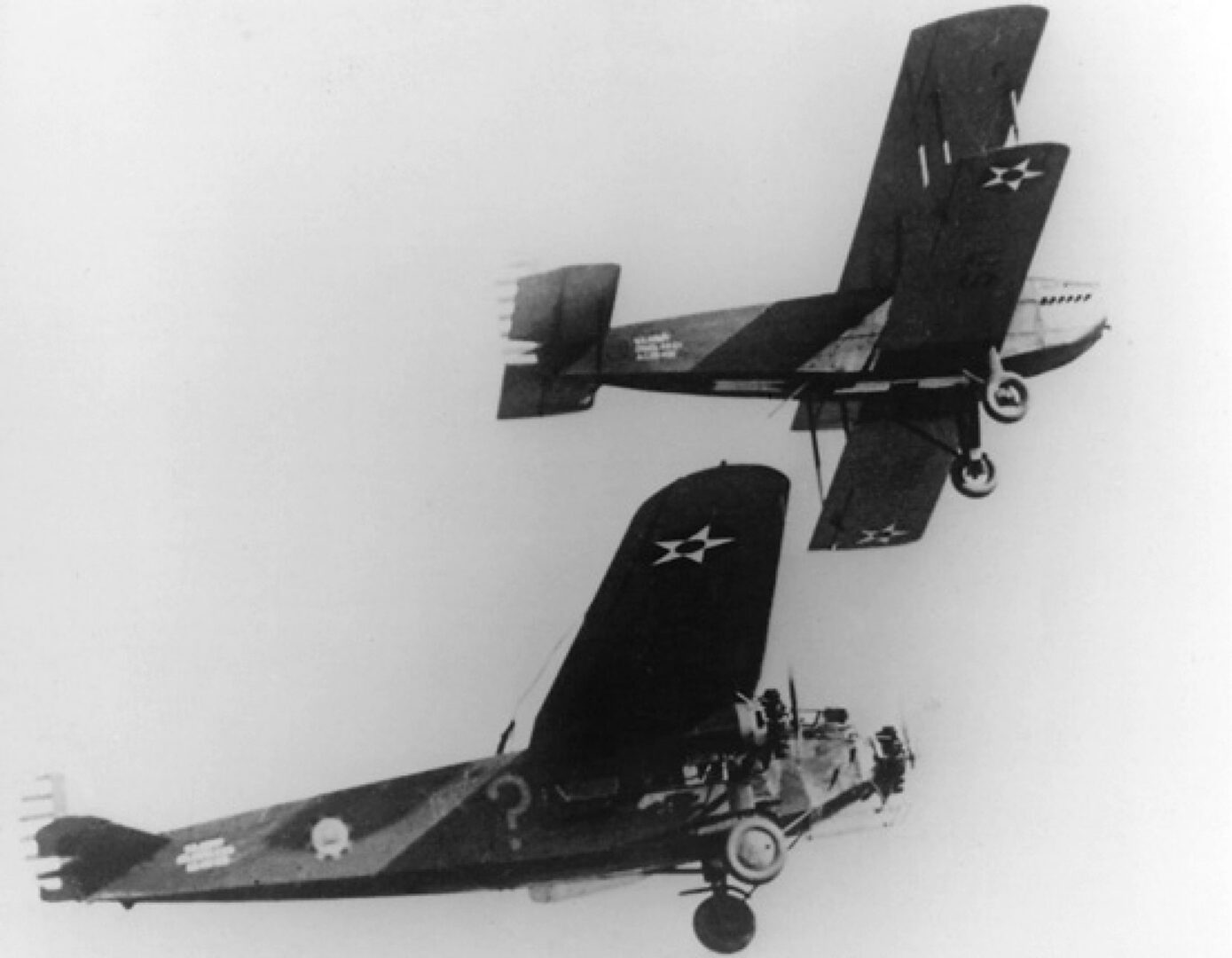
The Power of Storytelling
By Ms. Lauren Fosnot, Staff Writer
Let me share a personal story. In 2009, I was thirteen years old, enjoying a family trip to Waikiki Beach with my dad. My parents are divorced, which meant my mom armed me with a long list of warnings before I left: wear sunscreen, do not talk to strangers, and if caught in a rip current—swim parallel to the beach. She even sent me articles filled with stories to support her concerns.

Summer Hiking and Camping Safety: What You Need to Know
By Ms. Sofia Schatz, Staff Writer
Spending time outdoors in the summer, whether hiking scenic trails or camping under the stars, is one of the best ways to enjoy the season. However, natural environments can be unpredictable, and without proper preparation, a relaxing trip can quickly become dangerous. From extreme heat to hazardous plants and wildlife, staying safe outdoors depends on awareness, preparation, and smart decision-making.

Common Motorcycle Blind Spot Mistakes
By Mr. Philip Russell, 628th Air Base Wing, Joint Base Charleston, SC
Blind spots exist in every vehicle, but they pose a particular risk to motorcycles due to their smaller profile. Ignoring them increases the chance of sideswipe accidents, especially during lane changes or merging.
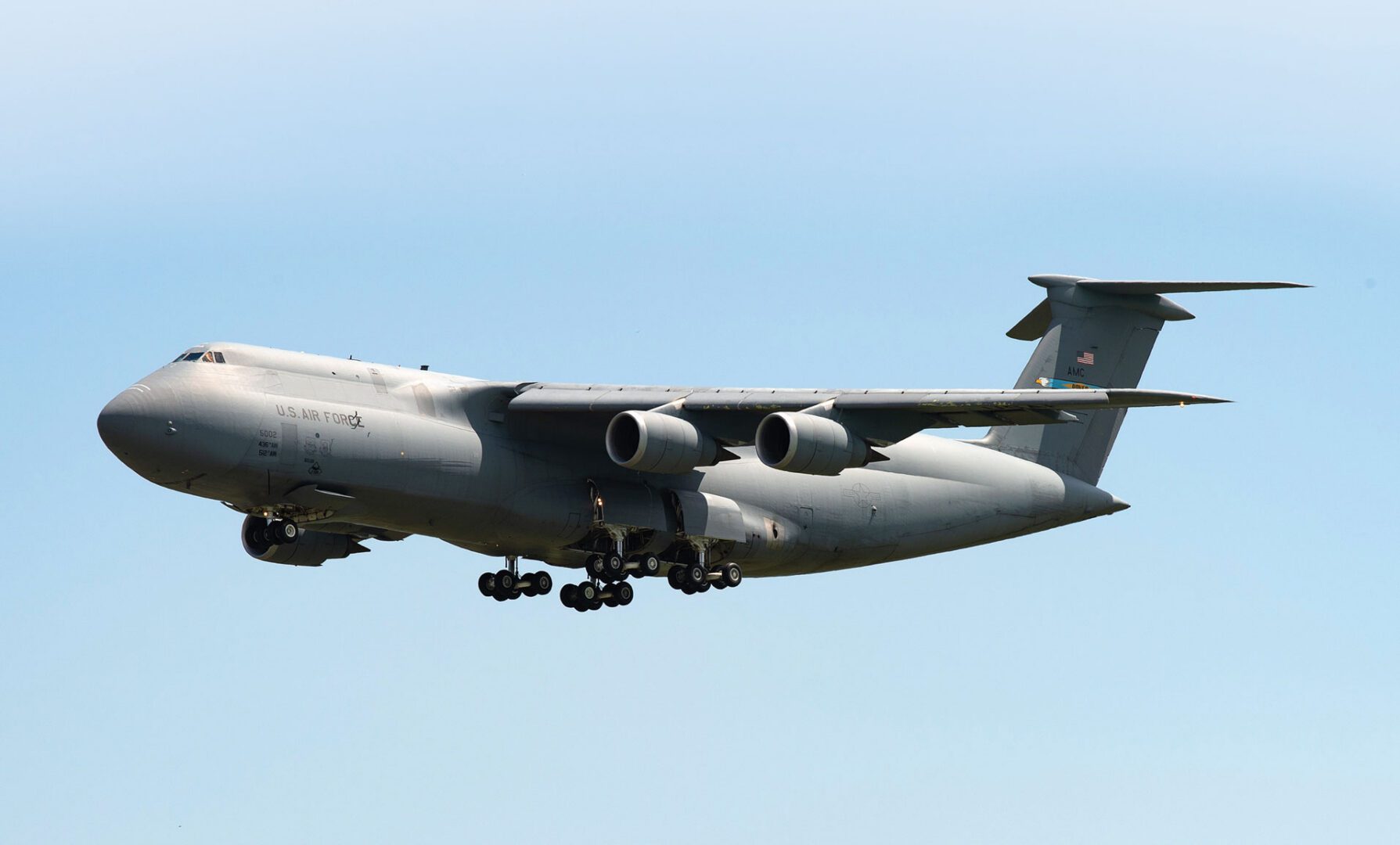
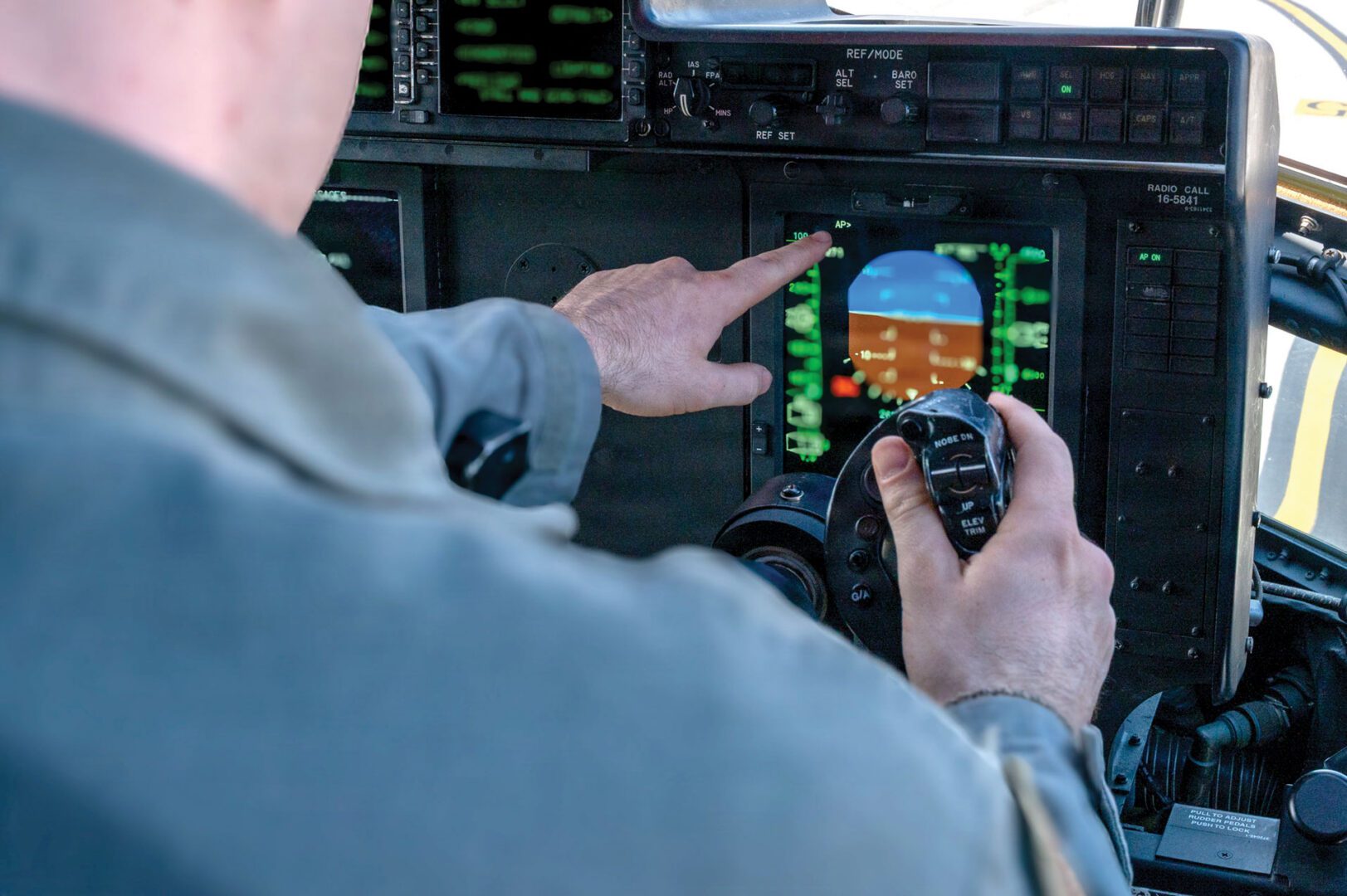
Aircraft Automation
By Mr. D.J. Hernandez III, AMC Flight Safety
One of Merriam-Webster Dictionary’s definitions of automation is “automatically controlled operation of an apparatus, process, or system by mechanical or electronic devices that take the place of human labor.”
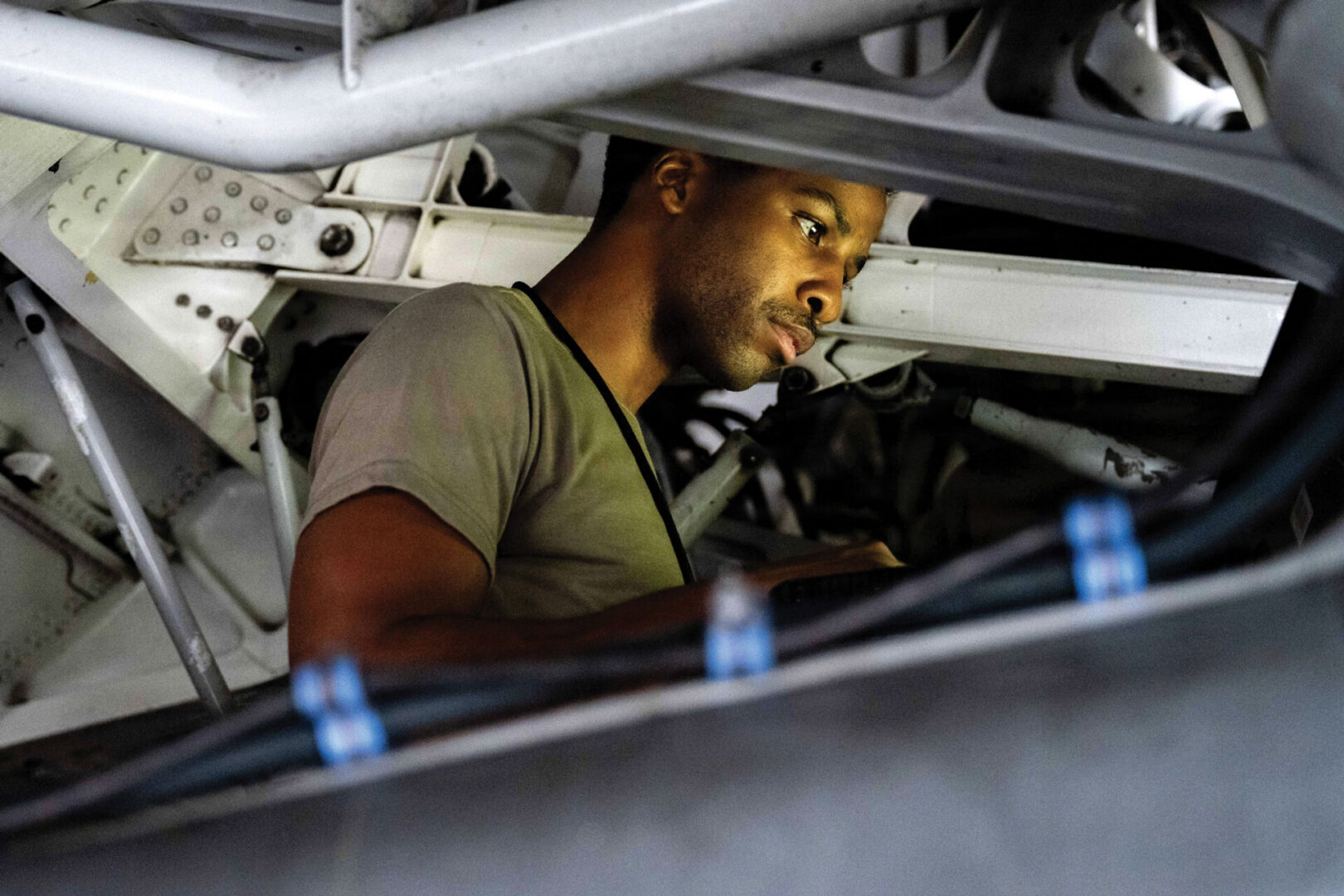
A Day in the Life
By Staff Writer
A U.S. Airman assigned to the 15th Maintenance Squadron uses a checklist for maintenance on a wheel well of a C-17 Globemaster III at Joint Base Pearl Harbor-Hickam, Hawaii, March 12, 2026. Members of the 735th Air Mobility Squadron hosted a competition where maintenance units from Alaska, Guam, Hawaii, and Japan tested their readiness by performing diagnostics and repairs on a C-17 Globemaster III.
- « Previous
- 1
- 2