
Summer Hiking and Camping Safety: What You Need to Know
By Ms. Sofia Schatz, Staff Writer
Spending time outdoors in the summer, whether hiking scenic trails or camping under the stars, is one of the best ways to enjoy the season. However, natural environments can be unpredictable, and without proper preparation, a relaxing trip can quickly become dangerous. From extreme heat to hazardous plants and wildlife, staying safe outdoors depends on awareness, preparation, and smart decision-making.
Plan Ahead
Before heading out, check the weather and research the area surrounding your trail or campsite. Summer conditions can shift quickly, bringing thunderstorms, intense heat, or slippery terrain. Understanding what to expect helps you pack appropriately and avoid being caught off guard.
Heading out early is one of the simplest ways to reduce risk. Afternoon temperatures are often the most dangerous, increasing the likelihood of dehydration and heat-related illnesses. Morning hikes not only help you avoid peak heat temperatures but also offer a quieter, more enjoyable experience. However, cooler environments are not automatically safer. Higher elevations, for example, pose risks such as lightning, strong winds, or sudden weather changes.
Be Aware
Strong situational awareness also plays a major part in staying safe outdoors. Being aware means staying alert to your surroundings (e.g., listening for unusual sounds and noting others who may be ahead of you and behind you), avoiding distractions (e.g., wearing headphones or listening to music too loudly), and scanning the environment periodically (e.g., the sky for changes, trail conditions, and taking note of blind corners or dense brush. Many accidents happen when people become overly comfortable or distracted. Trusting your instincts, use navigation tools (even on familiar trails), and turn back when conditions feel unsafe.
Avoid Hazardous Plants and Wildlife
Understanding which plants to avoid when hiking and camping can prevent painful or dangerous reactions. For instance, poison ivy, poison oak, and poison sumac all contain urushiol, an oily substance that causes severe skin irritation. A helpful rule to remember upon encountering plants is, “Leaves of three, let it be.” Other plants to avoid interaction with include stinging nettle (can cause a burning rash) and giant hogweed or wild parsnip (can cause severe blistering when exposed to sunlight). Highly toxic plants such as water hemlock, deadly nightshade, and jimson weed should never be touched or consumed. Each can cause an array of neurological and physical reactions (e.g., blurred vision and seizure-like activity) and eventually lead to death. To reduce the risk of contact, wear long clothing, stay on marked trails, and never eat wild plants or berries unless you are properly trained to identify them.
Wildlife awareness is just as important as plant safety. Animals such as bears, mountain lions, moose, and snakes can pose serious risks if encountered. To avoid such dangerous encounters:
- Make noise while hiking to avoid startling animals.
- Keep a safe distance from any animal.
- Never attempt to feed or approach wildlife.
- Store food properly in sealed containers or bear-resistant canisters to prevent attracting animals.
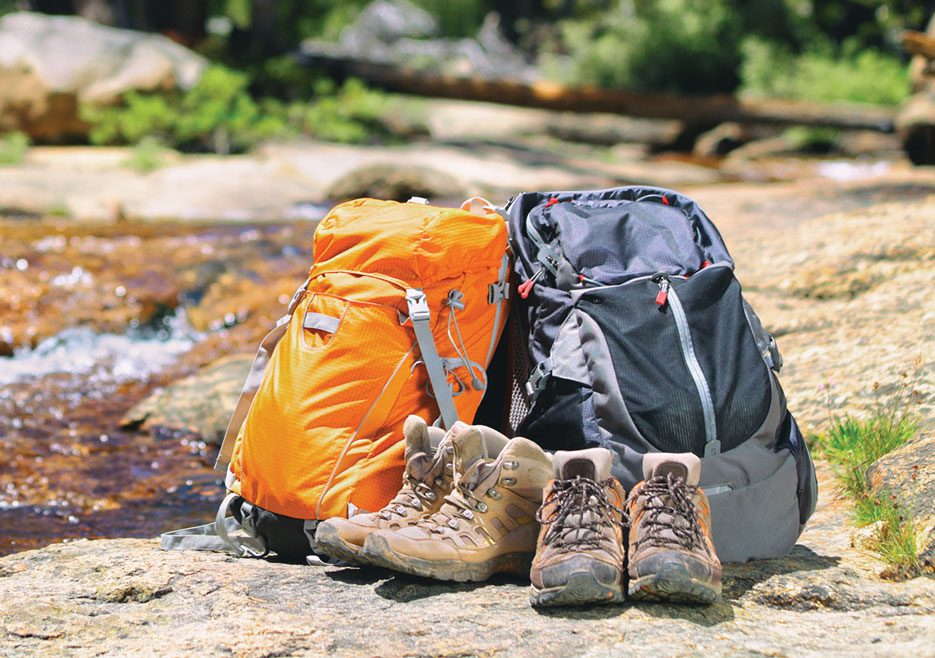
Even smaller threats, such as ticks and mosquitoes, carry diseases. In addition to long clothing, use insect repellent and check your body after outdoor activity. Wear proper footwear; hiking boots should be well-fitted and provide good traction, especially when trekking on uneven or slippery terrain. Lightweight, moisture-wicking clothing helps regulate body temperature, while avoiding materials like cotton can prevent discomfort and overheating.
Pack Smart
Hydration is critical during summer activities. The body can lose large amounts of water through sweat; therefore, drinking water consistently throughout the day rather than waiting until you feel thirsty helps prevent dehydration. In addition to water, bring:
- Snacks.
- A first aid kit.
- Navigation tools.
- Sun protection.
These essentials will help you stay prepared for a range of situations.
When setting up a campsite, avoid areas near water sources or on game trails, as these are high-traffic areas for wildlife. Also, avoid narrow or confined spaces where escape routes are limited and avoid low-lying areas that could flood. Inspect your site for hazards such as insects, unstable ground, or nearby debris before setting up.
Campfire safety is another critical responsibility. Fires should not be unlimited in size or location, but rather built in a clear, designated area and kept small and controlled. Never leave a fire unattended, and always fully extinguish it before leaving the area or going to sleep. Keeping water and a shovel nearby can help with implementing wildfire prevention methods such as smothering flames; clearing dry brush, leaves, and pine needles near the fire; and extinguishing the fire.
It is also important to recognize your physical limitations. Choosing trails that match your experience level and turning back when necessary can prevent injury or exhaustion. Conversely, pushing forward despite fatigue, worsening weather, or fading daylight—referred to as “summit fever”—can lead to a dangerous predicament.
Stay Connected
Always tell someone of your camping and hiking plans, including your specific route and expected return time home. Carry a fully charged phone or a portable charger and consider additional safety tools if you are traveling in remote areas. While it is important to enjoy the outdoors, it is equally important not to isolate yourself completely, especially from help in case of an emergency.
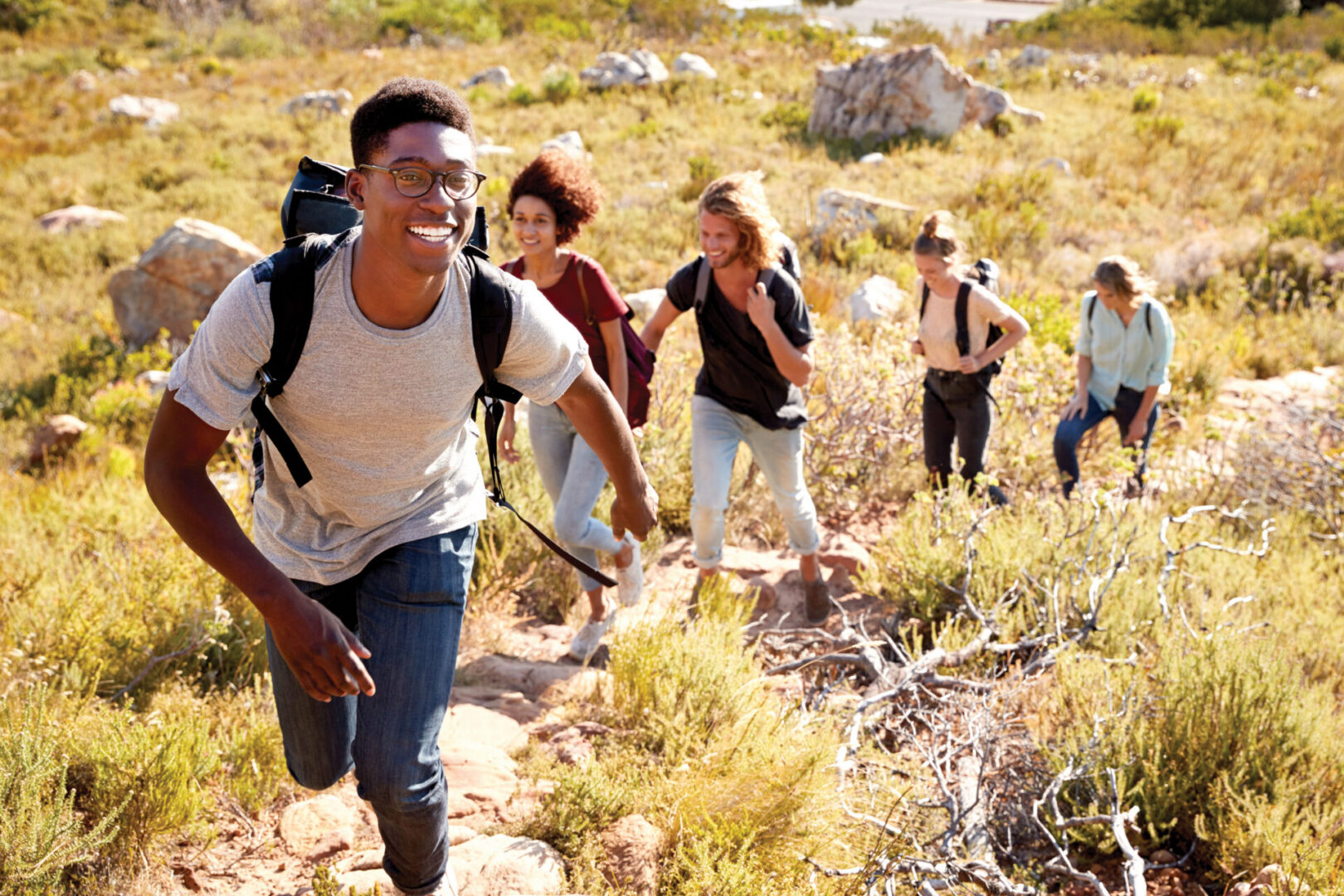
Further, hiking or camping with others significantly improves overall safety. A companion can assist in emergencies and help you stay alert to your surroundings. However, if you choose to go alone, taking extra precautions, such as sharing your itinerary and staying in more populated areas, becomes even more important.
Outdoor adventures like hiking and camping can be incredibly rewarding. They offer a deeper connection to nature—whether through quiet moments on a trail, breathtaking views, or terrain built for a workout. As you enjoy the outdoors, stay aware of your surroundings, understand potential risks, and take preventive steps to avoid common hazards. With the right preparation, you can explore nature confidently, extensively, and safely.