
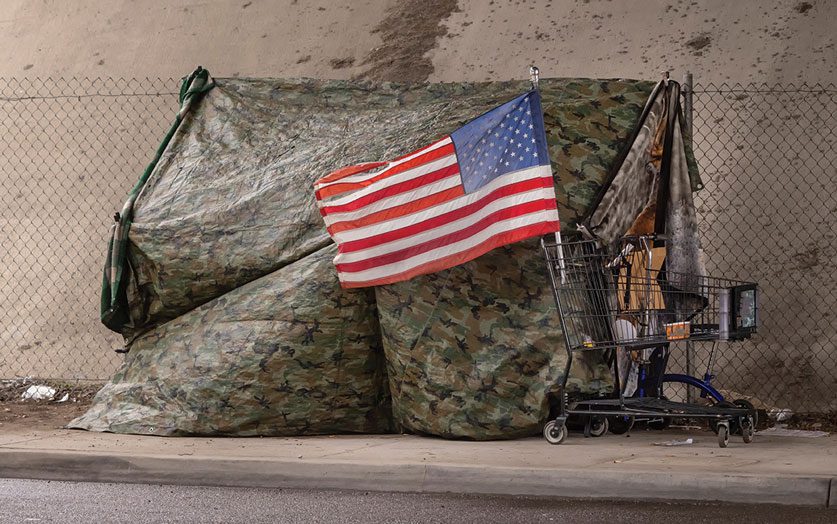
Beyond the Uniform: The Risk of Homelessness and How Airmen Can Prepare
By Ms. Tiffany L. Tolbert, Staff Writer
The U.S. Department of Veterans Affairs (VA) notes that “being homeless, or being at risk of homelessness, is one of the most difficult problems any veteran can face.” In 2025, the VA permanently housed 51,936 homeless veterans across the nation, nearly four thousand more than in 2024, reflecting the progress and services provided by multiple organizations to address this critical issue. Yet, homelessness among veterans remains a significant challenge, impacting thousands of former service members. According to a count conducted in January 2024, 32,882 veterans were experiencing homelessness in the United States.
Veteran homelessness rarely results from a single event; instead, multiple risk factors develop and intersect over time. For today’s Airmen, recognizing these risks early creates an opportunity to better prepare, take proactive steps to reduce vulnerability, and seek support when needed.
Risk Factors For Veteran Homelessness
Common risk factors include adverse childhood experiences, discharge status other than honorable, lower or absent service-connected disability ratings (which may limit access to financial compensation and support services), a history of military sexual trauma, and the presence of mental health conditions or substance use disorders. Other contributing factors include:
- History of combat exposure or post-traumatic stress disorder (PTSD): PTSD is a serious condition that can develop after an individual has experienced or witnessed a traumatic event. This condition is considered an invisible wound and can have negative impacts, including trouble sleeping, trouble with memory and attention, feeling anxious, and headaches and migraines. PTSD can result from a traumatic combat or noncombat experience, and all Airmen can be affected.
- Higher physical and mental health comorbidity burden (or multiple health conditions): Unhoused veterans often live with multiple overlapping health conditions. For example, many face an increased risk of co-occurring disorders, experiencing both a substance use disorder and another mental health condition at the same time. Coping with ongoing treatment, recurring medical appointments, and other overlapping challenges can make maintaining steady work and financial stability far more difficult.
- Disability, most often associated with combat: Approximately fifty-three percent of homeless veterans have disabilities, which range from hearing loss, respiratory conditions, and PTSD to mental illness, substance abuse, and end-stage renal disease. Being disabled can limit employment opportunities due to the required, ongoing medical care and affect income stability.
- Lack of social support: Among veterans who experience homelessness, social isolation and limited support networks are linked to longer and more chronic episodes of homelessness. When connections with friends, family, or community fade, it becomes harder for a veteran to reach out for help, stay motivated, or regain stability during difficult moments.
- Lack of access to affordable housing after exiting active duty: A major barrier facing unhoused veterans is the rising cost of housing, which exceeds what many can afford in communities across the country. Veterans transitioning to civilian life may also encounter limited housing availability, long waitlists, or affordability gaps (e.g., earning less in civilian jobs than they did while receiving military pay and benefits).
Awareness is the first step toward reducing these risks, many of which are manageable or preventable. Early planning matters, even if separation from service is years away.
What Can Airmen Do Now
Prior to transitioning from military service, understanding VA benefits, healthcare options, employment pathways, and housing resources helps ensure continuity of support after leaving active duty. Similarly, addressing stress, burnout, or trauma early on helps prevent smaller challenges from developing into more serious issues.
Airmen can access a range of resources, including chaplains, installation mental health clinics, and Military OneSource (https://www.militaryonesource.mil/branch-of-service/air-force/). Peer support programs and unit leadership also play a critical role in connecting Airmen with the help they need.
Connection is one of the strongest protective mitigation factors. Staying engaged with peers, mentors, family, and community groups creates a network that can offer support when challenges arise. Financial preparedness is equally important. Establishing a budget, building savings, and understanding available benefits can help mitigate unexpected disruptions. Programs such as the Transition Assistance Program (https://www.afpc.af.mil/Military-and-Family/Transition-Assistance-Program/) offer guidance on available benefits and services.
By taking proactive steps today, Airmen can set the conditions for sustained stability well beyond their military service.