

Misinformation … or Manipulation? Why Mobility Airmen Must Approach AI Advancements with Caution
By MRS. LAUREN FOSNOT, STAFF WRITER
Do you have a minute? Great. Step into this time machine and press this button. You are now enroute to early 18th century Britain. As you are chauffeured through the most quintessential English villages, please keep your hands and feet in the vehicle—although these folks could certainly use a hand!
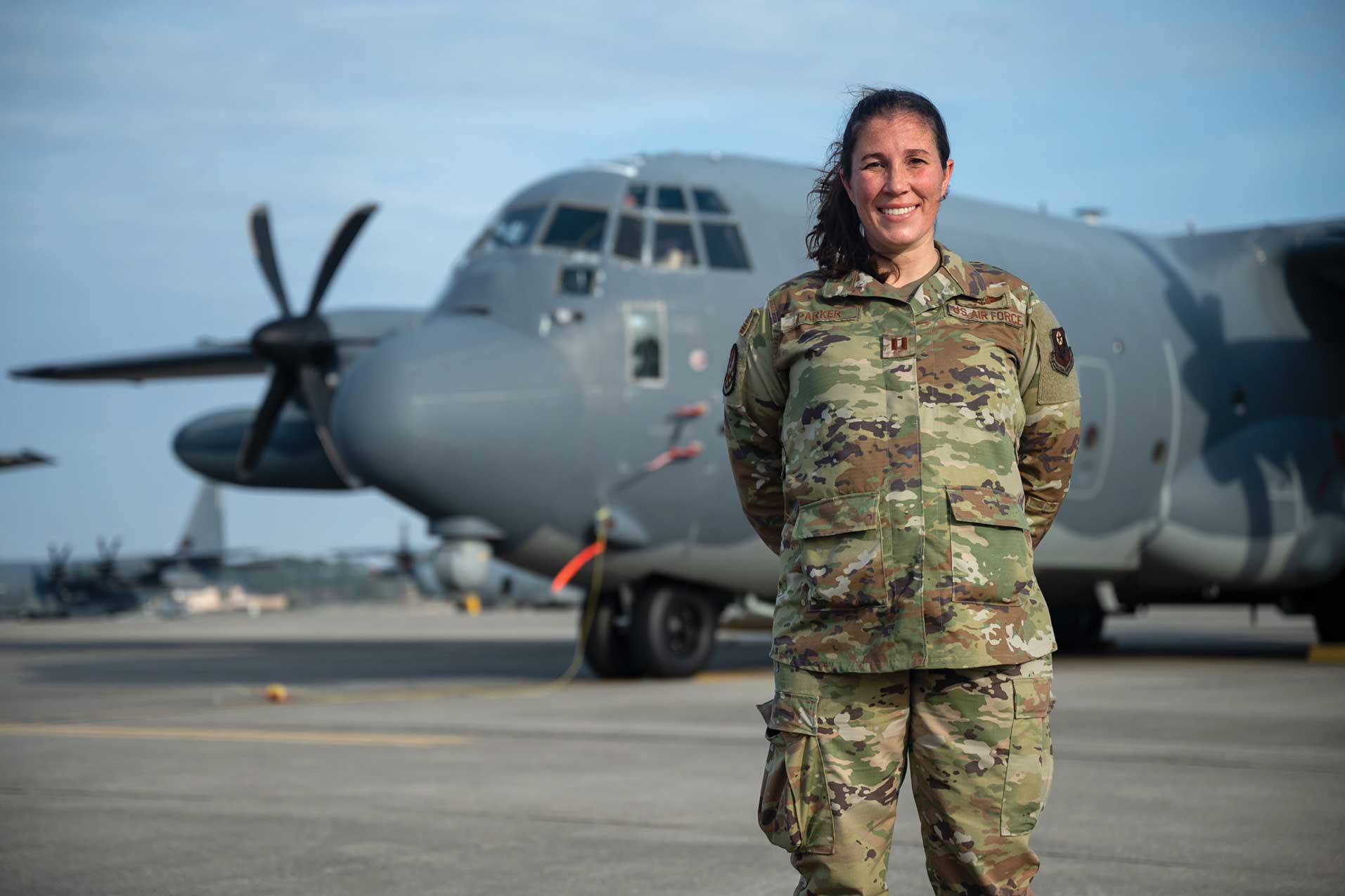
Cultivating a Culture of Safety and Inclusivity: How Women Are Identifying Potential Barriers and Recommending Solutions for Mobility Airmen
By MS. LORI HOGAN, STAFF WRITER
According to the 2020 Demographics Profile of the Military Community, nearly 70,000 active-duty women, or 21.1 percent, make up the Air Force. In fact, the Air Force has the highest percentage of women serving across the armed forces. In addition, approximately 95,800 Air Force service members are among a racial minority group. Although the Air Force is making progress, seemingly small gaps exist that can affect the safety, well-being, and readiness of these dedicated Airmen.

AIR MOBILITY COMMAND WELL DONE AWARD Presented to the 60th Air Mobility Wing Civilian Fly-In Event Staff Travis Air Force Base, CA
By STAFF WRITER
On August 26, 2023, a dedicated team of professionals distinguished themselves by outstanding achievement when flawlessly executing the Travis Air Force Base (TAFB), CA, Mid-Air Collision Avoidance (MACA) Civilian Fly-In and Safety Seminar.

Combating Chronic Stress: The Power of Physical and Mental Rest
By MRS. LAUREN FOSNOT, STAFF WRITER
As Mobility Airmen, stress is often a part of the job. Acute stress, or stress that lasts a short time (i.e., minutes to hours), can be beneficial because it can improve one’s performance when challenges lie ahead.

Lions and Tigers and Bears, Oh My!
By MRS. LAUREN FOSNOT, STAFF WRITER
Hiking can mean different things to different people. For some, hiking means leisurely strolling in the great outdoors; for others, it is a steep, uphill trek that gets the heart pumping. Regardless of intensity, many people would agree that hiking is the perfect escape to clear and calm the mind.
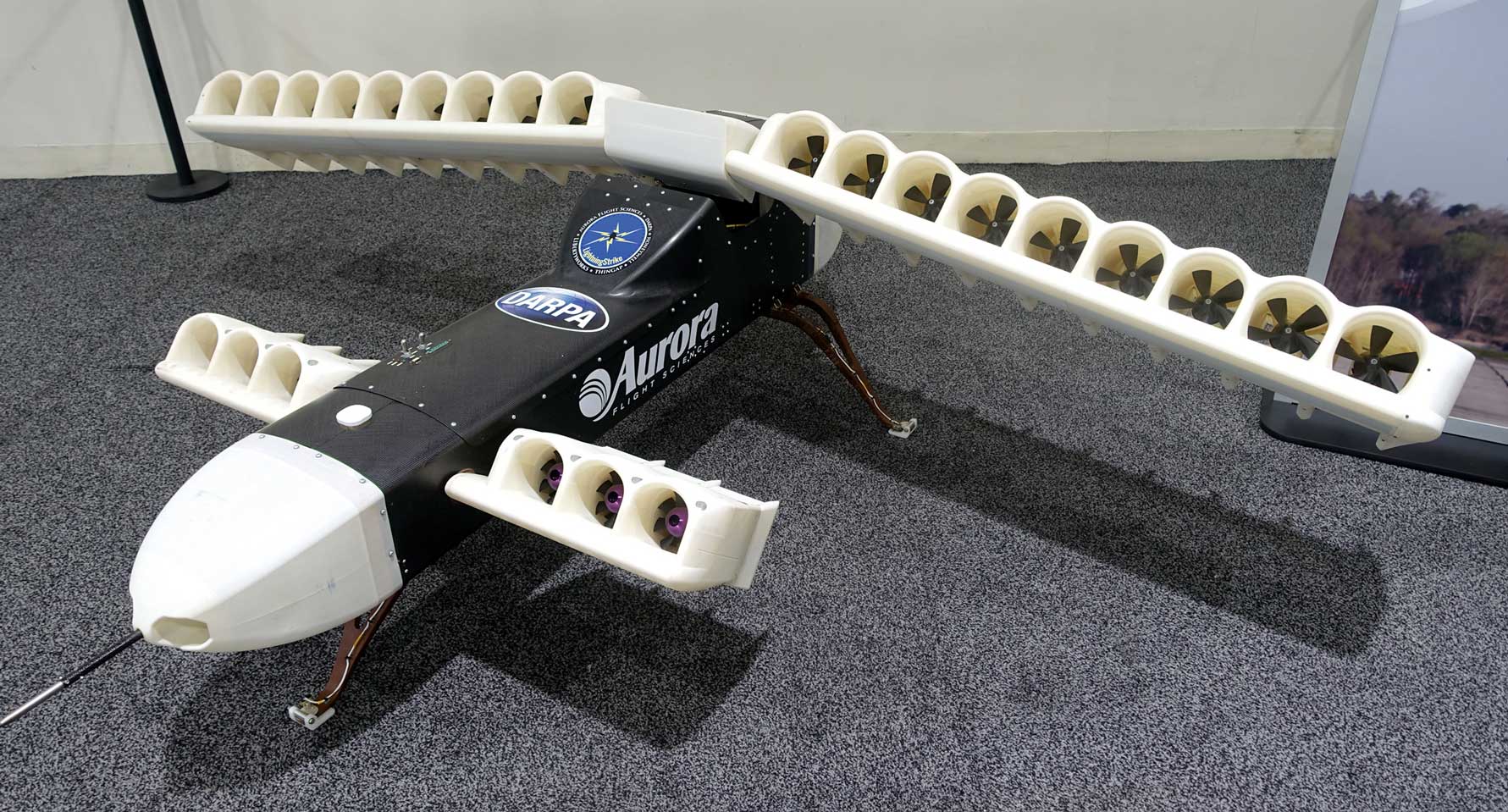
Distributed Electric Propulsion and What It Means for Safety
By MS. TIFFANY L. TOLBERT, STAFF WRITER
Distributed electric propulsion (DEP) systems are based on the idea that closely integrating an aircraft’s propulsion system with its airframe and spacing multiple motors across the wing will increase efficiency, lower operating costs, and reduce carbon dioxide and other common greenhouse gas emissions.

Behavior-Based Safety: The Power of Care
By MS. MICHELLE PIEHL, STAFF WRITER
According to the U.S. Bureau of Labor Statistics, 5,486 fatal work injuries, or 3.7 fatalities per 100,000 full-time equivalent workers, were reported in the United States in 2022, representing a 5.7 percent increase year over year. The Air Force Times reports seventy-five noncombat U.S. Air Force mishaps occurred in fiscal year 2023, representing an approximate 12 percent increase year over year.
The Art of the Reflex: Training, Resilience, and Survival
By MS. TIFFANY L. TOLBERT, STAFF WRITER
A human reflex is defined as an automatic response to stimulus that does not require conscious thought. A superhuman reflex can be referred to as an automatic reaction to danger with great speed or heightened abilities. Superhuman reflexes encompass enhanced reactions, enhanced reaction times, and enhanced preparedness. All of these are characteristic of Airmen. When Airmen are involved in or witness an emergency (e.g., hearing an explosion or watching a life-threatening situation unfold), their human and superhuman reflexes kick in. They start running toward the scene, rather than away, displaying courage, and executing solutions.

How to Train Yourself to Stop Overtraining
By MR. JOSEPH FONTANAZZA, STAFF WRITER
Anyone who has taken an athletic endeavor seriously craves the satisfaction that comes from pushing past your predetermined physical limits and progressing further in your abilities. The feeling is the force that keeps a person’s hand from hitting the snooze button on their phone alarm for a 4 a.m. run or motivates them to hit the gym for a late-night workout after a stressful day at work. A good obsession with progression is the thing that makes a personal record (a “PR”) on the “big three” weightlifting exercises (bench press, squat, deadlift) such a sacred text for committed powerlifters. Dedicated runners hold a similar reverence for their fastest mile or longest distance traveled on foot.
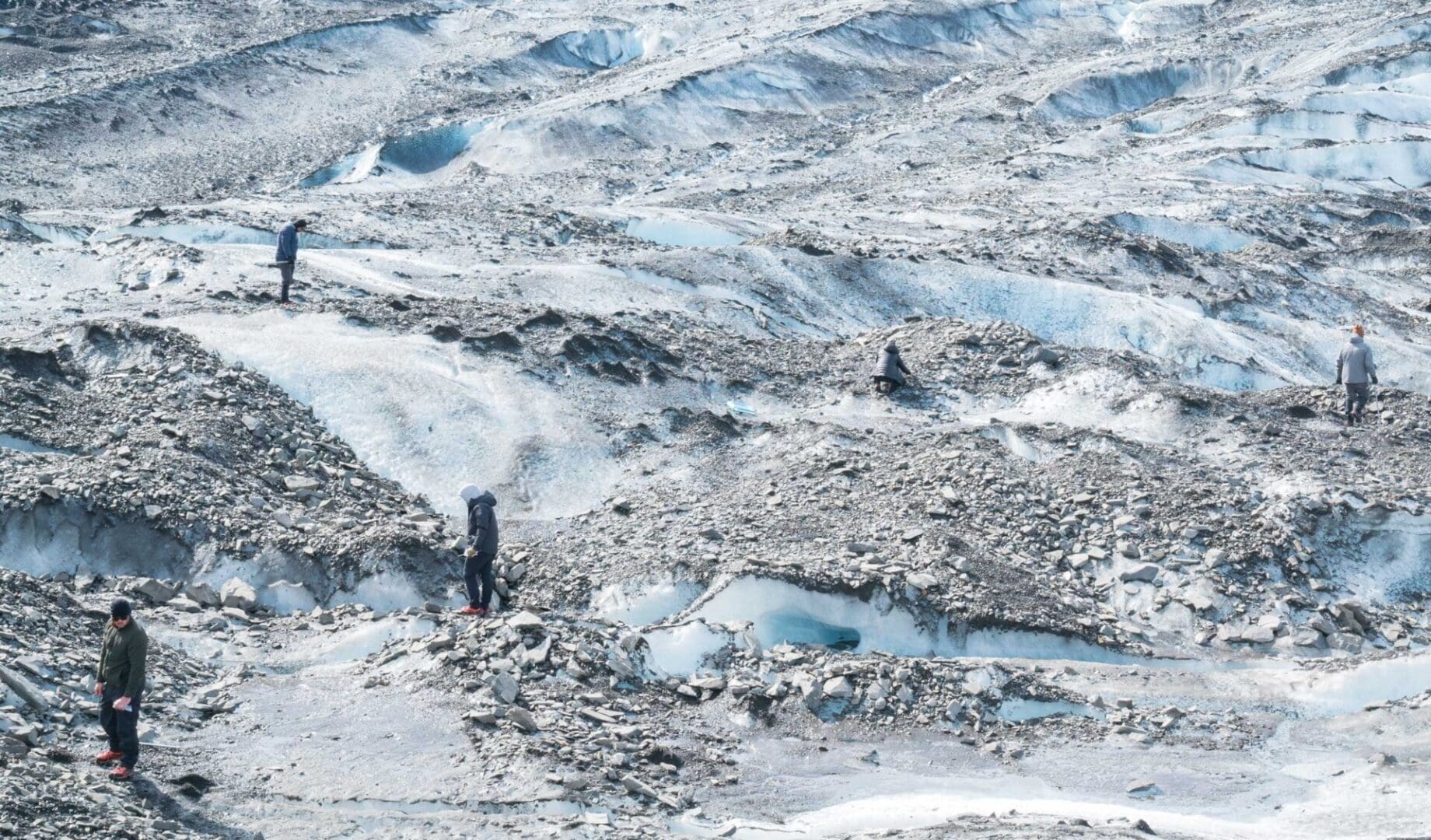
Beyond Artifacts: Stories of Service from Colony Glacier
By MRS. LAUREN FOSNOT, STAFF WRITER
Storytelling is an intrinsic part of the human experience. Before written language was created, stories were transmitted visually and orally. This custom has served mankind well as innovations have been born from accumulating knowledge from stories across generations. For example, Elias Disney, who worked as a carpenter at Chicago’s World’s Columbian Exposition, better known as the Chicago World’s Fair, shared stories with his son, Walt, which later inspired him to create the famous Disney amusement parks.

Small Changes, Big Protection: Enhancing Fire Safety in Your Home
By MS. SOFIA SCHATZ, STAFF WRITER
Although it is a familiar and often routine activity, between 2017 and 2021, cooking caused forty-four percent of all reported home fires in the United States. Other leading causes of home fires are candles, electrical systems/lighting equipment, heating equipment, Christmas trees, and smoking. House fires can also be intentionally or unintentionally started. Intentionally set fires include arson; unintentionally set fires usually start from unexpected sources. A fire can start from items you may not even think about, such as furnaces, an abundance of lint in clothes dryer filters, and plugged-in appliances.

Motorcycle Riding Does Not Have to Stop in the Cold Seasons—If You Anticipate the Risks
By MR. BRAD FOSNOT AND MRS. KAREN FOSNOT, STAFF WRITERS
In the fall and winter seasons, we know—as avid riders—that there are a few different things to consider, unlike in the spring and summer when traveling safely on roadways. For instance, as temperatures drop, the rubber compounds of motorcycle tires lose some of their traction (or “stickiness”) and cannot adhere to road surfaces as well as they do in warmer climates. Hence, in anticipation of how tires can react to coldness, riders should reduce their speed while cornering and allow for more stopping distance.