
AIR MOBILITY COMMAND WELL DONE AWARD
By Staff Writer
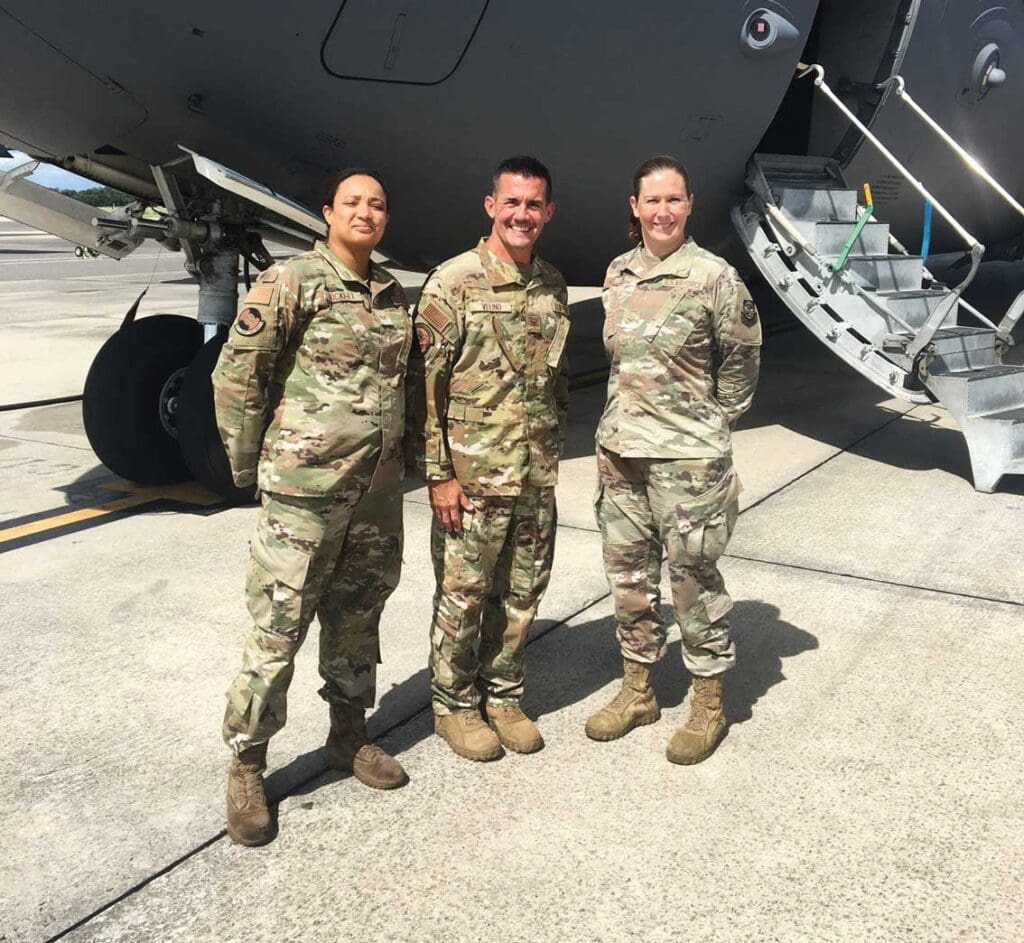
On April 9, 2021, as a C 17 taxied into its parking spot, a fire erupted in the left wheel well area. Fortunately for the crew onboard, SrA Rigel Lockett and A1C Augustine Williams from the 437th Airlift Wing, Joint Base Charleston, SC, noticed the fire, quickly retrieved a flightline fire extinguisher, and attempted to extinguish the fire. The duo thought it had been fully extinguished, but the fire, fed by hydraulic fluid, reignited. Determined to not let the blaze get out of control, Lockett and Williams then retrieved a second extinguisher and continued to fight the fire until the fire department arrived minutes later. Thanks to the actions of Lockett and Williams, the crew onboard egressed safely, and it is likely their efforts saved the aircraft from being a total loss.
The Flight Safety NCO: Your Safety Liaison
By MR. LALO MAYNES, HQ AMC FLIGHT SAFETY
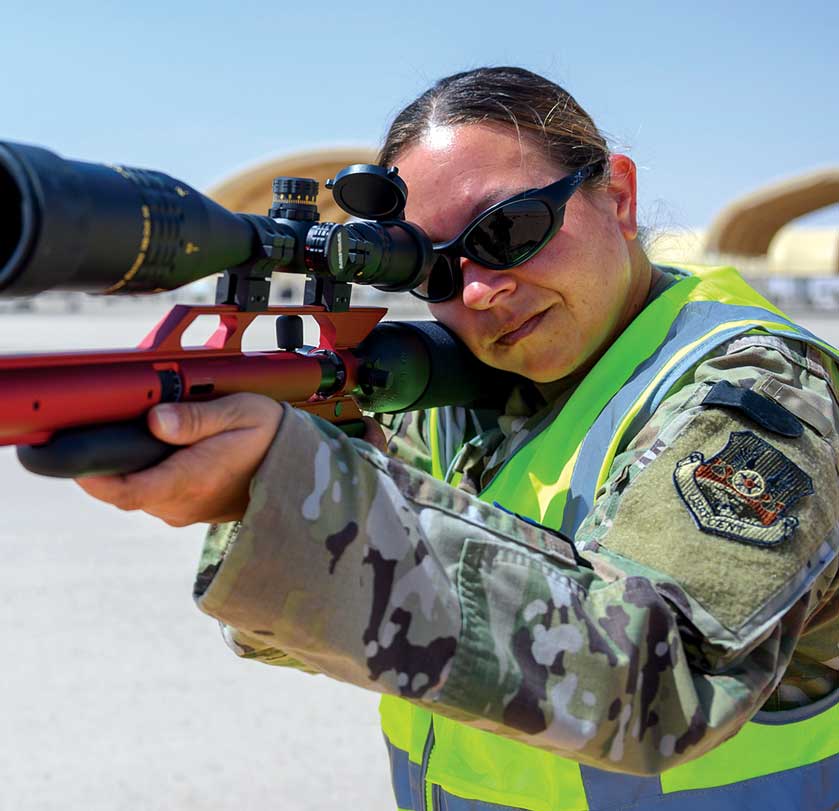
Your wing FSNCO is a maintainer, usually from your wing, selected because of his or her knowledge and expertise with AFI 21-101, Aircraft and Equipment Maintenance Management, and the organizational structure of the maintenance complex. The FSNCO is assigned to the Flight Safety Division of the Wing Safety office, typically for two or three years. After completing the Aircraft Mishap Investigation Course and Aviation Safety Program Management course, the newly trained FSNCO will soon become key to continuity within the Flight Safety (SEF) office. He or she reports to, and works with, the Flight Safety Officers, who report to the Chief of Safety for the wing. In addition to conducting aviation mishap investigations, the FSNCO is an invaluable asset to each wing through historical mishap data and analytics, customized training and briefings, robust inspections, safety program oversight, proactive safety advocacy, and expeditionary capabilities for global impact.
Air Minimum Control Speed—The Ever-Present Assassin
By MR. WARREN THOMAS, HQ AMC C-130J MFOQA ANALYST
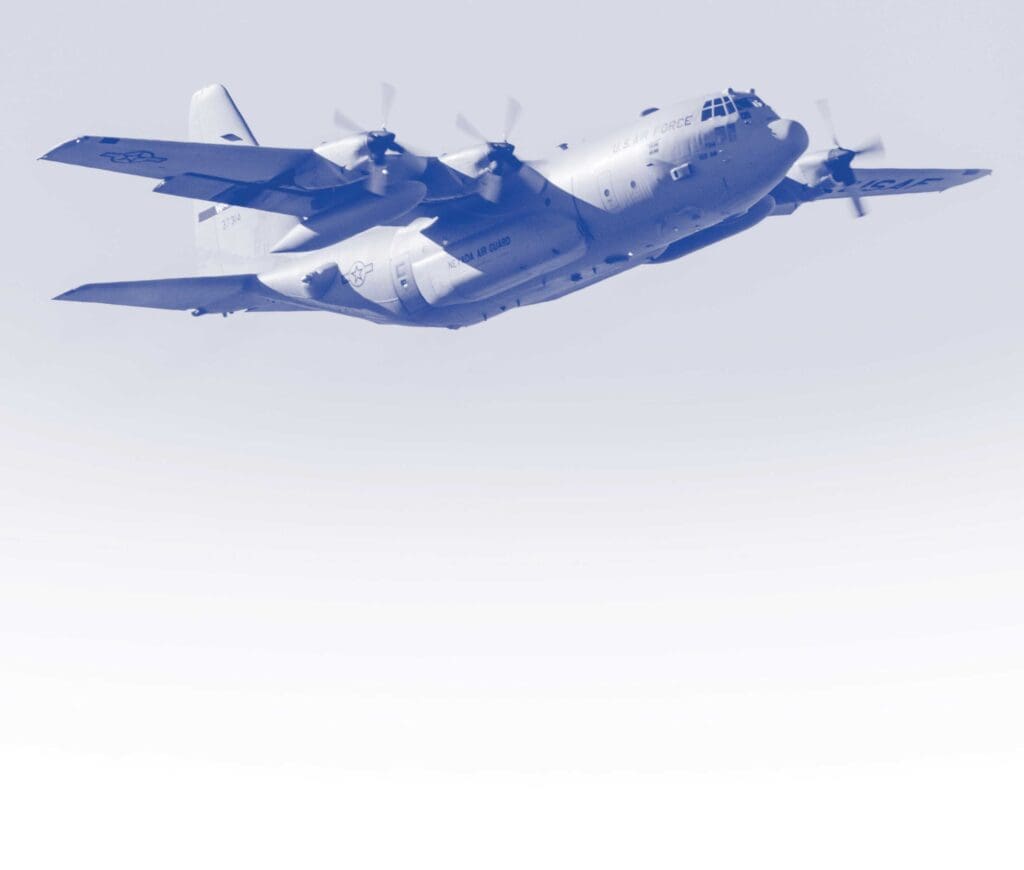
First, let me state that I am an old C-130 pilot, a biology major—and not an engineer of any kind. I retired from the USAF in 2011, but I am still hanging on to government employment as the senior C-130J Military Flight Operations Quality Assurance Analyst at Headquarters, Air Mobility Command. I was fortunate to fly four models of the C-130 during my USAF flying career. The order of flight was C-130E, C-130H, C-130E, C-130B, C-130E, and C-130J. My favorite aircraft was the B-model, but that is a story for another day.
The 618th Air Operations Center and Commercial Augmentation: Strategic Support
By MS. SOFIA SCHATZ, STAFF WRITER
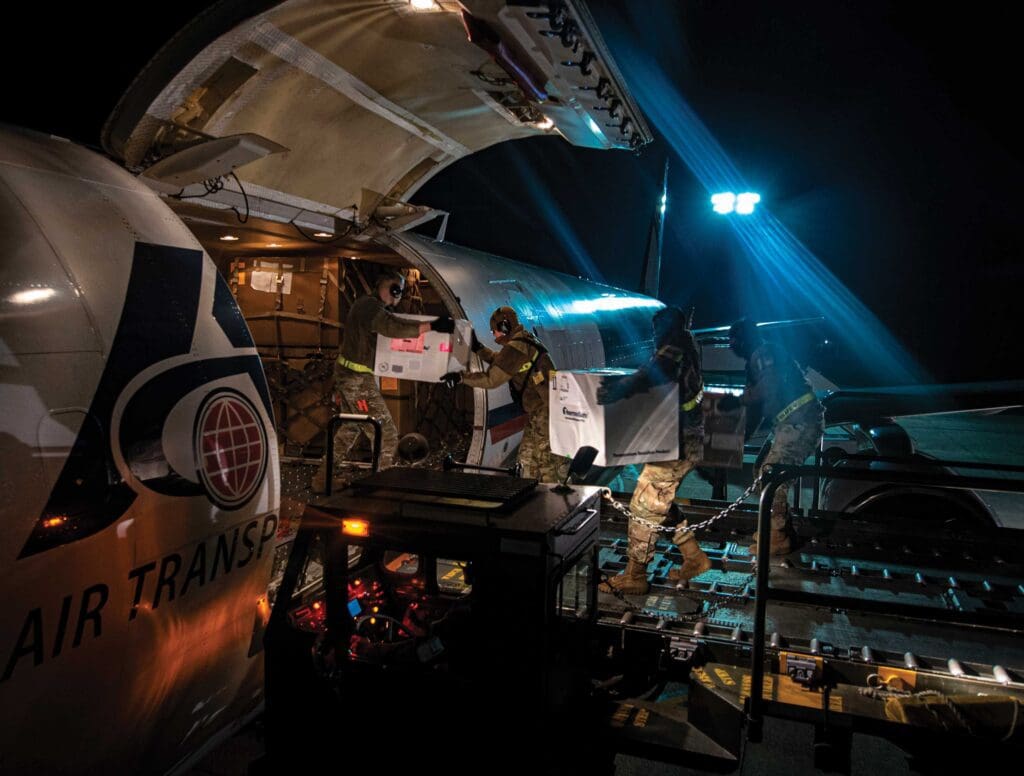
The 618th Air Operations Center (AOC), located at Scott Air For

The Responsibility of Risk
By MSGT STEWART MITCHELL, WEAPONS SAFETY MANAGER, 92 ARW
In the weapons safety world there cannot be enough emphasis on the involvement of responsible commanders. Commanders at all levels may be responsible for some facet of weapons safety, whether it is an Additional Duty Weapons Safety Representative (ADWSR) program or a commander who owns the assets within a quantity distance (QD) arc. The job of the Weapons Safety Manager (WSM) is to understand and apply weapons safety principles to provide accurate guidance to responsible commanders. At the squadron level, the WSM also ensures ADWSRs are able to communicate the details of their own mission-specific requirements to their respective commanders.
ASAP 16302: High-Speed Approach Miscommunication
By MS. KATHY ALWARD, STAFF WRITER
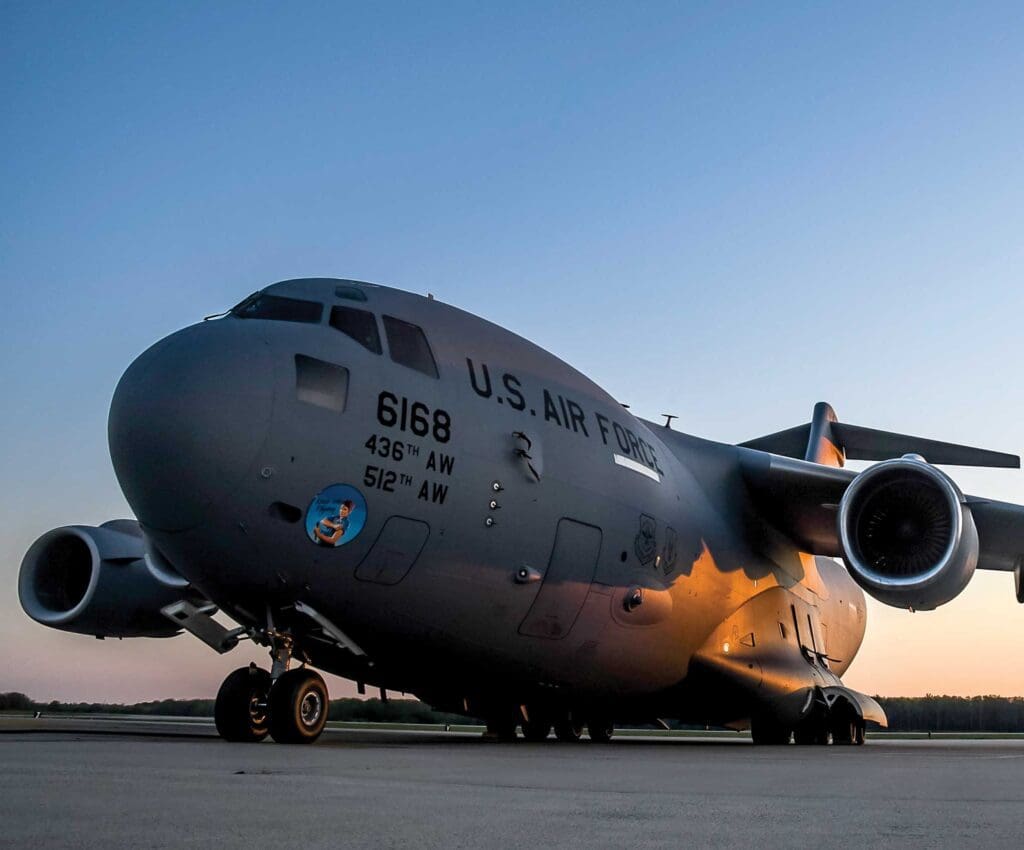
Recently, C-17 Instructor Pilot Major Evin Negron, Dover Air Force Base, DE, learned things do not always go as planned when requesting a high-speed approach during routine training. No stranger to the Airman Safety Action Program (ASAP), he knew the miscommunication with air traffic control should be documented and shared with fellow aircrews.
AMC During 9/11/01: The 20th Anniversary of the Terrorist Attacks
By MR. GARY ELL, STAFF WRITER
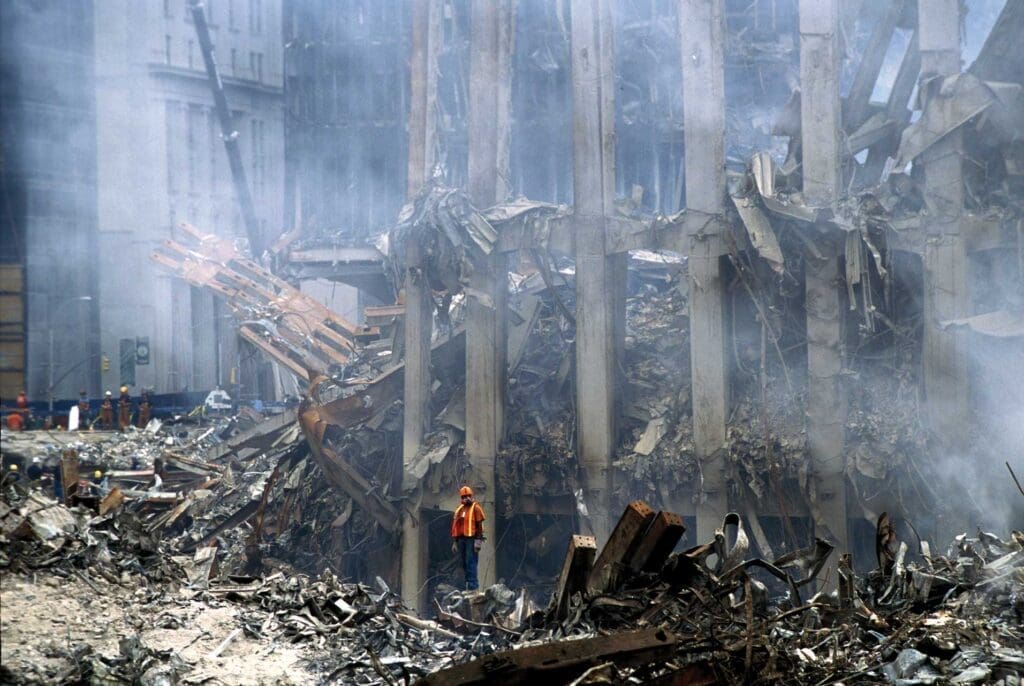
On the morning of September 11, 2001, the Secretary of the Air Force, Public Affairs team from New York City (NYC) had arrived at McGuire Air Force Base (AFB) in New Jersey to have their official photos taken. It was an ordinary day, and I looked forward to networking with our friends from NYC. They used our services for fun assignments, such as when an Air Force officer threw out the first pitch at Yankee Stadium. The very least I could do in return was to provide them with exceptional studio photography for their official photos.
Travis Air Force Base, CA, Airlifts Emergency Medical Supplies to Combat COVID-19 Surge in India
By MR. GARY ELL, STAFF WRITER
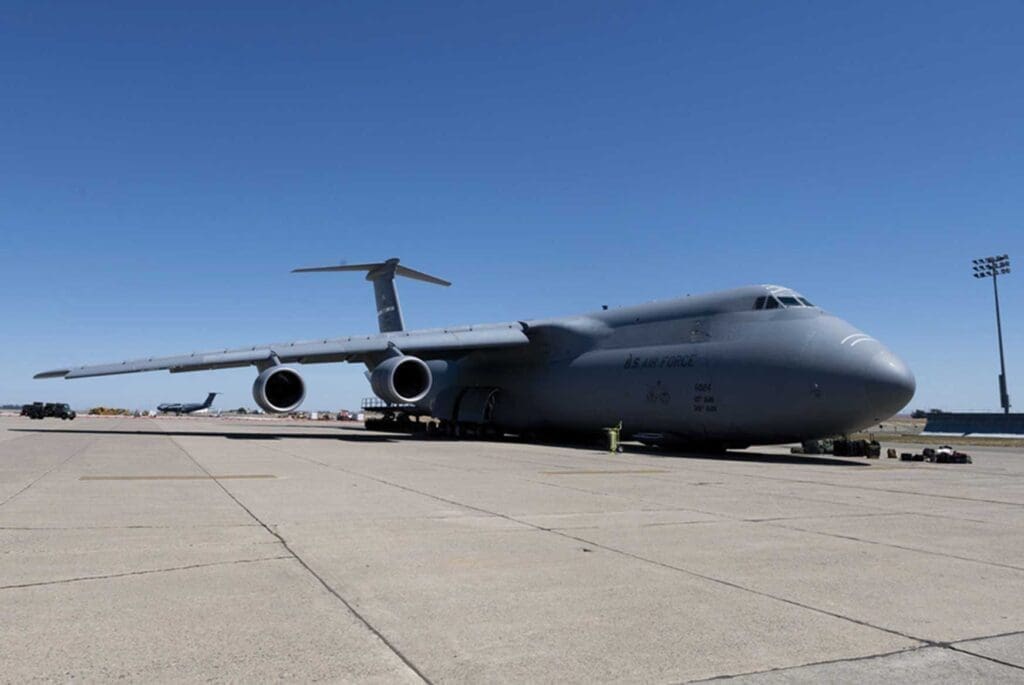
Significant progress has been made against COVID-19, but it is still a pandemic. As part of a whole-of-government effort to slow and eventually end the pandemic, the United States sent medical supplies and equipment to India starting on April 28, 2021, as that country battled a devastating outbreak.
MOBILITY GUARDIAN 2021: Advancing Air Mobility Command Capabilities to Prepare for the Future Fight
By MS. LAUREN SCHATZ, STAFF WRITER
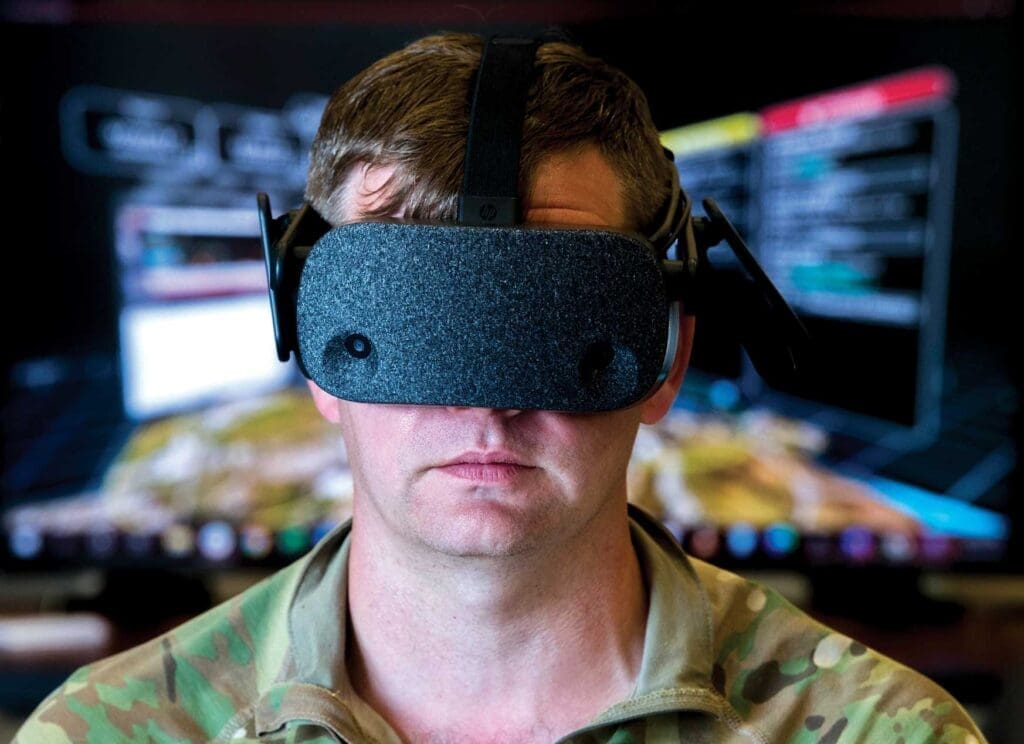
In its third year, MOBILITY GUARDIAN 2021 successfully marked a pivotal moment in Air Mobility Command (AMC) history. Conducted biennially, MOBILITY GUARDIAN is AMC’s largest and longest enterprise-wide training event. This year, more than 1,800 mobility, combat, and reserve forces, as well as forces from the U.S. Army, were in attendance.

A Lesson Learned the Hard Way
By MS. SOFIA SCHATZ, STAFF WRITER
Getting behind the wheel after drinking, even just one time, can have tragic consequences— for you and others. This grim reality is why Daltyn Ryan Stout shares his story. The young man went from looking forward to a bright future with a promising career to a 20-year prison sentence for murder after a tragic accident.
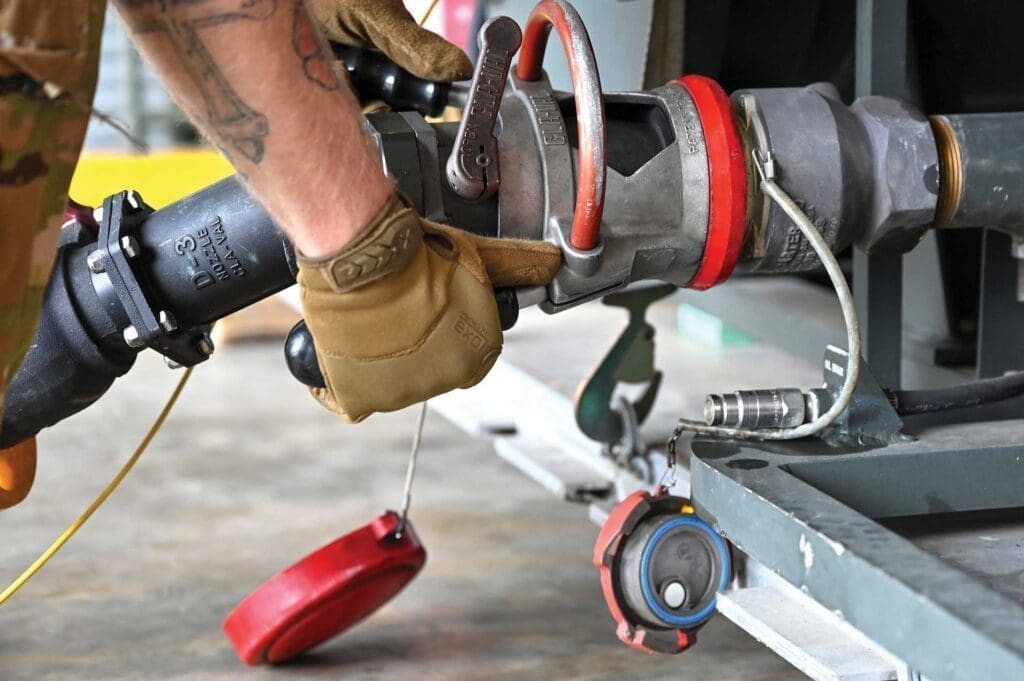
Fuel Management: The Heart of Airlift and Aerial Refueling
By MS. LAUREN SCHATZ, STAFF WRITER
“Without fuel, the Air Force mission does not get accomplished,” said SSgt Garrett Huntoon, 374th Logistics Readiness Squadron Fuels Service Center Controller.
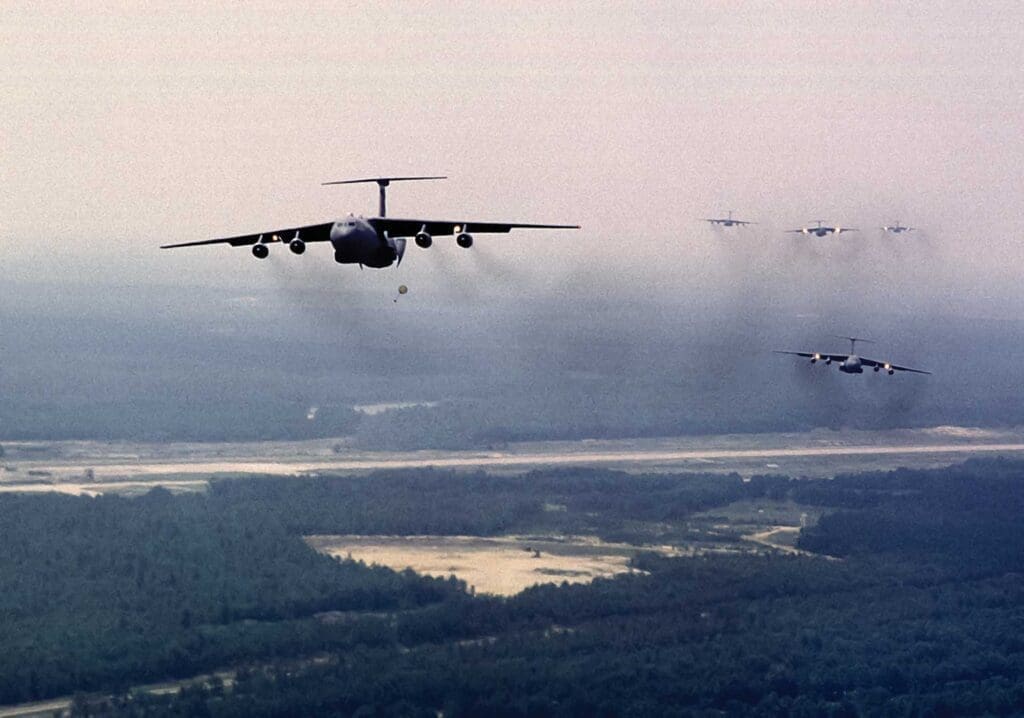
Remembering the Crew of the 1997 Midair Collision Between an Air Force C-141 and a German Tupolev Tu-154 Off the Coast of Africa
By MR. GARY ELL, STAFF WRITER
I was the Director of Visual Information Services and an aircrew-certified photojournalist assigned to McGuire Air Force Base (AFB), NJ, from 1996 through 2002. We were constantly jockeying to hop on missions to document and tell the story of the tanker and airlift squadrons (AS). We became very close with both the crews and the “bookies” and were always on the lookout for a good story. We would review flight/mission schedules, particularly during weekends, such as refueling B-2 bombers and FA-18s, or airdropping fun stuff like Humvees out the backs of a formation of C-141s. When we were not flying, we would take official photos and passport/visa/ isolated personnel reports, document traffic accidents, and capture those usual grip-n-grin ceremonial events. We were also in tight with the loadmasters, as they would occasionally return our flip-top bottles to Ramstein Air Base, Germany.