
Considering Motor Vehicle Safety
By Mr. Mike Cremedas, Staff Writer
One of history’s greatest minds is credited with saying, “Once you have tasted flight, you will forever walk the earth with your eyes turned skyward, for there you have been, and there you will always long to return.” Poetic words from Leonardo Da Vinci, but do not forget that the only flying machines the Renaissance genius saw were the ones he designed on paper. More importantly, Airmen cannot spend all day staring at clouds—they must keep their eyes on the road when driving. Besides, Da Vinci never had to pay car insurance or rising premiums after an incident on the road.
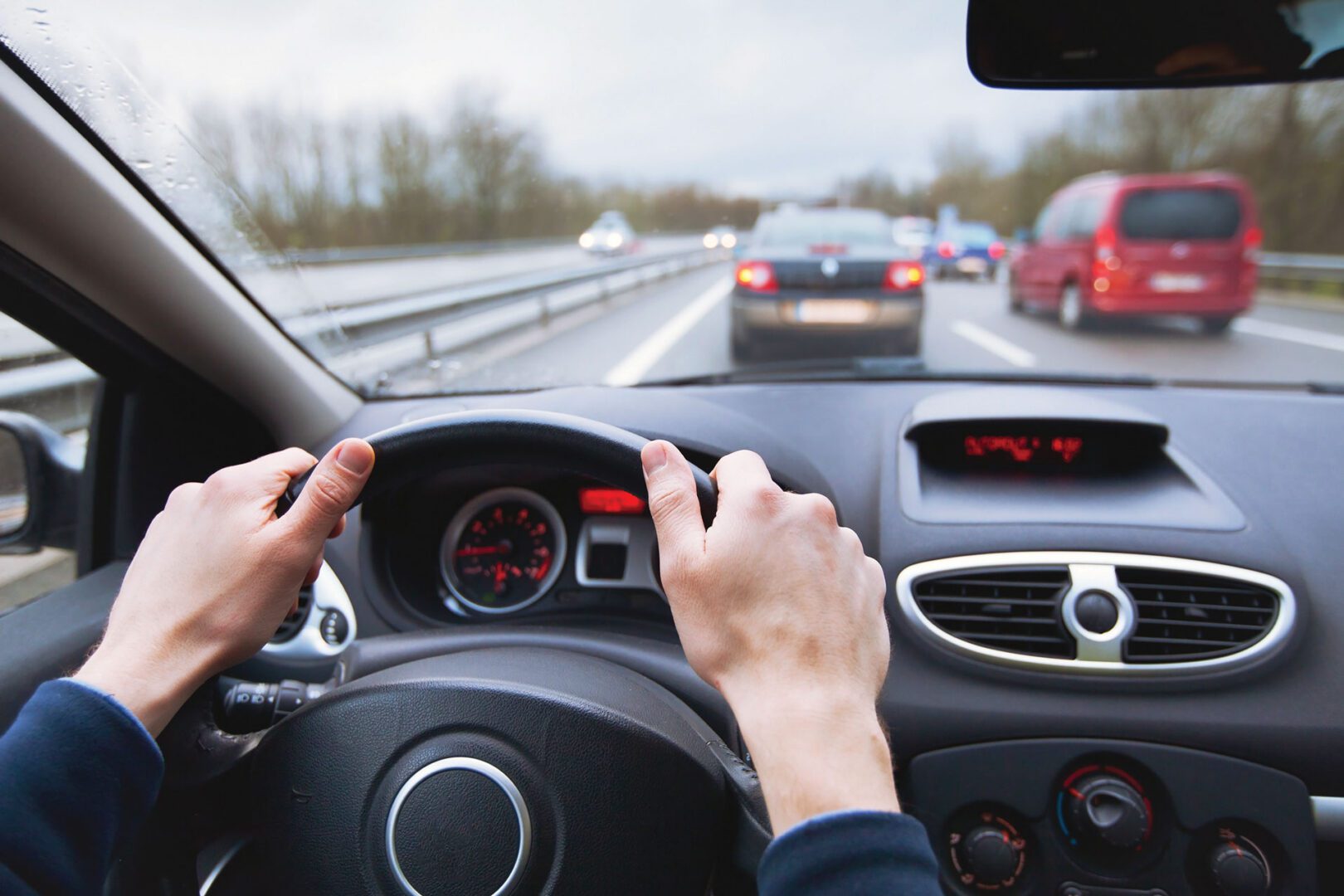
Airmen are winged warriors who overcome peril regularly because they have military training and experience; they face less obvious risks when on the road surrounded by those who have neither. Being a pilot requires tremendous focus under pressure to avoid danger. When flying an airplane, the possibility of jeopardy is much greater than driving a vehicle, as is the need to be aware of your surroundings. It is reasonable to expect Airmen to let their guard down at the appropriate times. Still, they should never let their extensive experience develop into complacency that excuses unsafe behavior on the ground like distracted driving or driving while intoxicated. A good safety rule is to always wait one hour for every alcoholic beverage imbibed before operating a motor vehicle. Less obvious and at times more challenging to self-police is remembering that many people on the road do not have your level of reaction time or the ability to act under duress. Give drivers the appropriate space to operate safely (three seconds worth of space is generally recommended) and be on the lookout for reckless driving, such as changing lanes without warning or stopping suddenly. Finally, never forget that a simple fender bender, or virtually any incident involving a motor vehicle for which you are responsible, can negatively impact your military career, whether on-base or off.
If you are injured due to an incident on the road, TRICARE, the U.S. military’s health insurance program, can help pay your medical bills but does not apply first-party coverage for car accidents. If you receive a settlement from the insurance company of the party at fault, TRICARE requires you to pay them back; this medical lien amount, deducted automatically from your settlement, is sent to TRICARE by your lawyer. TRICARE can likely assist with medical bills but will not cover damage to your vehicle, which is why many experts recommend adding uninsured motorist coverage if you can afford it.
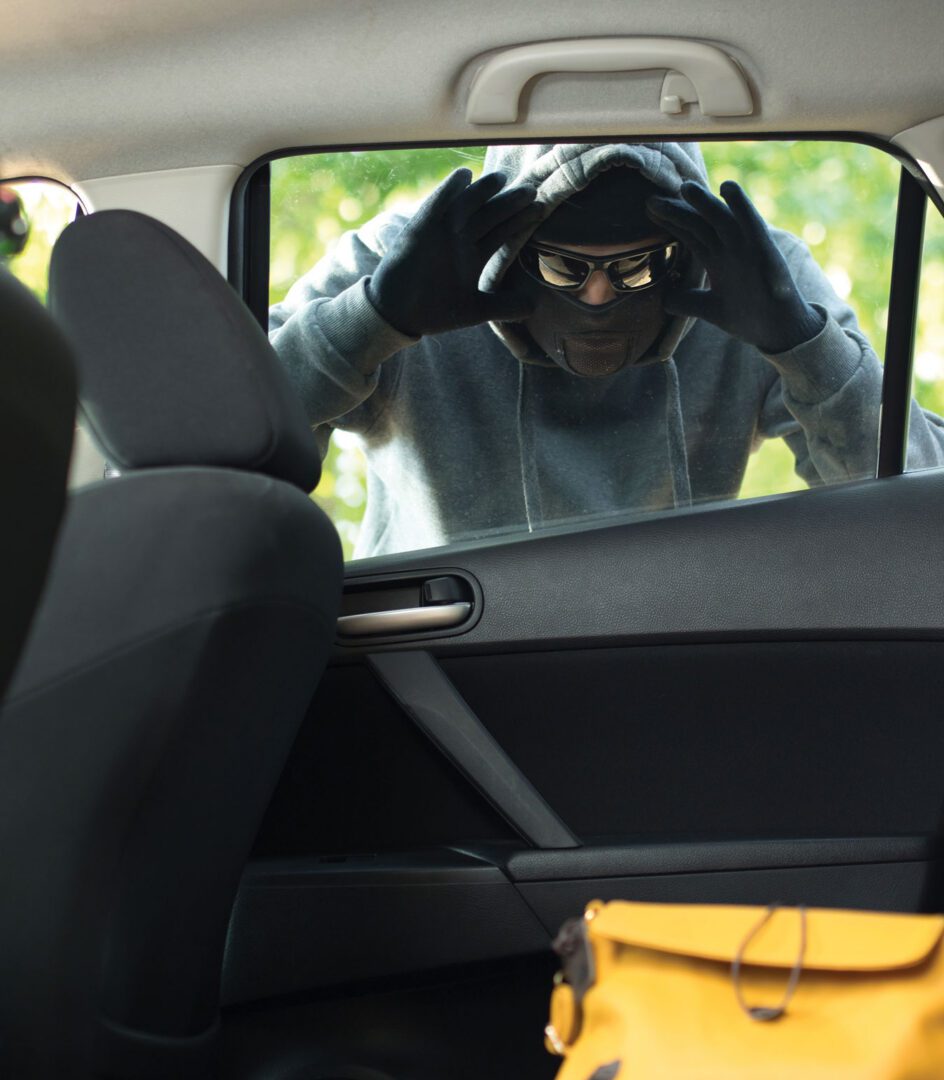
You do not need to be behind the wheel of the vehicle or even near it during an incident for trouble to appear—car thieves can be just as problematic. While thieves that break into cars can conjure images of films like Gone in 60 Seconds, where the car is stolen, most modern crooks want the valuable and easy-to-sell items inside the vehicle instead. Besides the loss of personal property, if crooks get their hands on your identification and other personal information, it can be a logistic nightmare to untangle. According to the Federal Trade Commission, active-duty service members are seventy-five percent more likely to report identity theft than other adults.
- Nothing can be done to guarantee you will avoid having your vehicle broken into, but there are steps you can take to minimize the possibility:
- Remove labels identifying your security system to prevent criminals from figuring out an easy workaround. Connect it to a separate, ideally hidden, power source, as disabling the car battery is often the first step to gaining illegal access to a vehicle.
- Park your vehicle in a well-lit space and never leave it overnight in an unsecured area.
- Lock your vehicle and avoid the false assumption that crimes involving cars only occur in highly populated commercial or urban areas; more than one-third of vehicle thefts happen at or near a residence.
- Lock all electronic devices, shopping bags, and other items in the trunk or glove compartment. Never leave your belongings or government property on the seats, dashboard, or other visible areas.
- Keep in mind that criminals can also see the ads for hideaway key boxes—and some are as good at being thieves as you are at being Airmen—so refrain from hiding a spare key on or near your vehicle.
The rigors and responsibilities of being a member of the Air Mobility Command far outweigh those of a typical driver, but every Airman needs to maintain complete situational awareness while driving and ensure their motor vehicle is not likely to experience a break-in. Your family and country need you safe and unhindered, not recovering from injury or dealing with avoidable paperwork. Keep yourself and your vehicle safe!