

Air Force Activates Air Task Force at Scott Air Force Base
By Mr. Jacob Silva-Dreyer, 375th Air Mobility Wing Public Affairs
The 12th Air Task Force (12 ATF), the first ATF under the new Air Force deployment model, was officially activated during a ceremony at Scott Air Force Base, IL, Sept. 4, 2024.

Safe, Secure, and Reliable
By Mr. Roberto S. Aguilar Jr., Command Nuclear Surety Manager
Nuclear Surety and Air Mobility Command (AMC) are critical aspects of the U.S. Air Force’s (USAF) mission to maintain safe, secure, and effective nuclear capabilities while supporting global air mobility operations. Nuclear surety refers to the measures, programs, and protocols designed to ensure the safety, security, and reliability of nuclear weapons and their associated systems. The goal of nuclear surety is to prevent accidents involving nuclear assets as well as unauthorized access to, misuse of, or malicious acts with nuclear assets. To help continuously achieve this goal, the four key pillars of nuclear surety were established.
KC-10: The Plane’s Legendary Place in History
By Ms. Tiffany L. Tolbert, Staff Writer
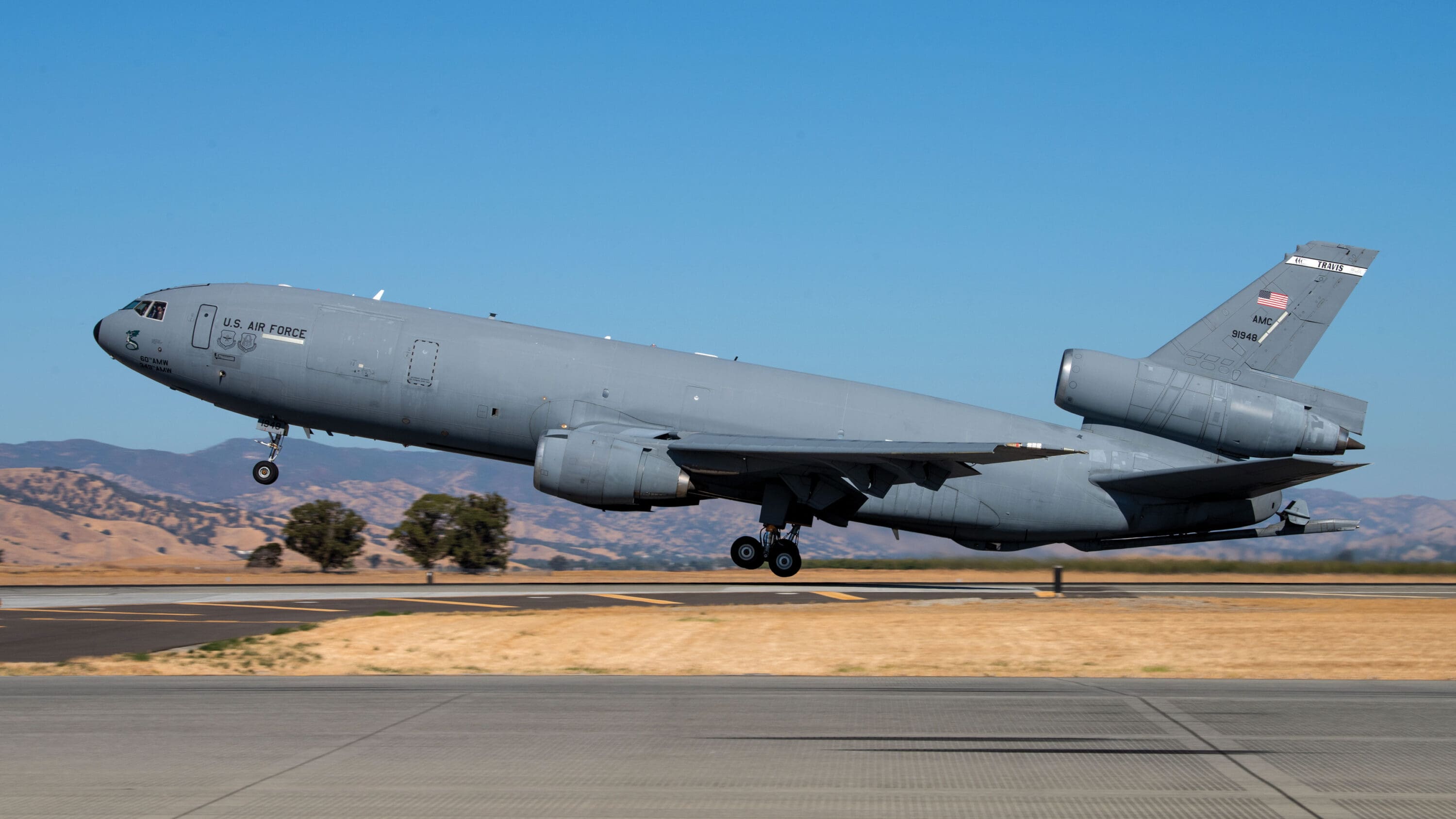
On Sept. 26, 2024, the 9th Air Refueling Squadron (ARS) at Travis Air Force Base, CA, retired the last of Air Mobility Command’s advanced tanker and cargo aircraft, the KC-10—commemorating its forty-four-year legacy. With more than 140 combat-ready personnel and a plethora of equipment, the 9 ARS mobilized and deployed twelve KC-10s to anywhere on the globe at a moment’s notice by generating strategic airlift and aerial-refueling missions that supported U.S. and allied forces during contingency operations.[1] In a conversation with U.S. Air Force (USAF) Lt Col Andrew Baer, 9 ARS Commander and KC-10 Extender Pilot, the importance and historical significance of the KC-10 becomes clear.

Department of the Air Force Safety Announces Next Generation Safety Reporting
By Air Force Safety Center Public Affairs, Air Force Safety Center
The next iteration of digital safety reporting is here with the release of the new SAFEREP App. SAFEREP is the Department of the Air Force’s only completely digital safety reporting tool supporting all disciplines and areas around a base, with dedicated reporting features for workplace, traffic, industrial, flight, weapons, and space safety. Replacing the Airman Safety App, SAFEREP reflects a broader reporting capability that encompasses more functional areas and other military services.

Warrior’s Edge: Mindfulness for High Performance
By Ms. Lauren Fosnot, Staff Writer
“Who in this room wants to be a badass at what they do?” asked Dr. Jannell MacAulay, silencing the room of lively, chattering conference attendees—Air Mobility Command (AMC) Airmen. MacAulay, a speaker at the 56th Annual Airlift/Tanker Association (ATA) Symposium in Grapevine, TX, scanned the room, taking in the many hands thrust into the air—an expected response as AMC Airmen accomplish badass feats daily.

“Don’t Cross the Streams!” Electronic Warfare and How It Affects Air Force Mobility
By Ms. Dara Marlar, Staff Writer
Like proton streams in the iconic 1980s film Ghostbusters, electronic warfare (EW) and the electromagnetic spectrum (EMS) seem like elusive concepts. The main difference is that although crossing the streams “would be bad,” not understanding how to use and counter EW could be the difference between going home victorious or the victory going to the adversary.

Good Dental Health Leads to Good Overall Health
By Ms. Sofia Schatz, Staff Writer
Although everyone wants to avoid cavities, dental health extends far beyond tooth decay. In fact, poor oral health has been linked to a range of serious health problems, such as periodontal (gum) disease, dental erosion, heart disease, and even Alzheimer’s disease.

Enhancing Rider Safety: The Role of Motorcycle Airbag Vests
By Ms. Brie Christian, Staff Writer
Although motorcycling offers unparalleled freedom on the open road, its liberation comes with inherent risks. In 2022, 6,218 motorcyclists were killed—fifteen percent of all traffic fatalities. Data produced by the National Highway Traffic Safety Administration show that this considerable portion of fatalities is the highest number of motorcyclists killed since 1975.[1] The Air Force Safety Center recorded that in the last five years, we have lost eighty-eight Air Force personnel to motorcycle deaths. Despite the safety advancements in modern motorcycles and in motorist awareness, motorcyclists remain vulnerable to accidents. Airbag vests have emerged as a plausible solution in mitigating such risks. This article explores these vests, their pros and cons, and their effectiveness in protecting riders.

Water Safety When Traveling Abroad
By Ms. Rory Merritt, Staff Writer
Sunshine, beaches, and exotic locales can make for an exciting—or relaxing—trip. However, when traveling abroad, it is important to remember that other parts of the world may be vastly different from what you are accustomed to when it comes to staying safe in and around water.

Motorcycle Culture—Fun and Safety on Two Wheels
By Mr. Adam Twigg, Occupational Safety, 628th Air Base Wing
As we head into summer, Airmen, Sailors, Soldiers, and Marines around Joint Base Charleston, SC, are already eyeing their calendars in anticipation of the warmer weather to come so they can get back to enjoying motorcycle riding; other, more stalwart personnel have not stopped. Moreover, other personnel may be eager to participate in the upcoming riding season but are rather intimidated by the perceived labyrinth of requirements that seem to obstruct their path to riding. Air Force military members must meet certain requirements before riding a street motorcycle. These requirements are laid out in Department of the Air Force Instruction 91-207, The Traffic Safety Program. Your major command or installation may include additional requirements.

The Importance of Smoke and Carbon Monoxide Detectors in Your Home
By Ms. Kathy Alward, Staff Writer
Installing smoke and carbon monoxide (CO) detectors is an important step toward ensuring a safe home. According to Consumer Reports, both are inexpensive, easy to install, and can save lives. Whereas smoke alarms can notify residents of a fire, CO alarms are just as important because CO, a poisonous gas that is colorless and odorless, cannot be perceived except by a CO detector. CO poisoning incidents can occur when equipment, appliances, or vehicles are improperly used or vented. According to the U.S. Fire Administration, an estimated 150 people die yearly from accidental CO poisoning.
Coping With Heat Waves and Wildfires
By Ms. Tiffany L. Tolbert, Staff Writer
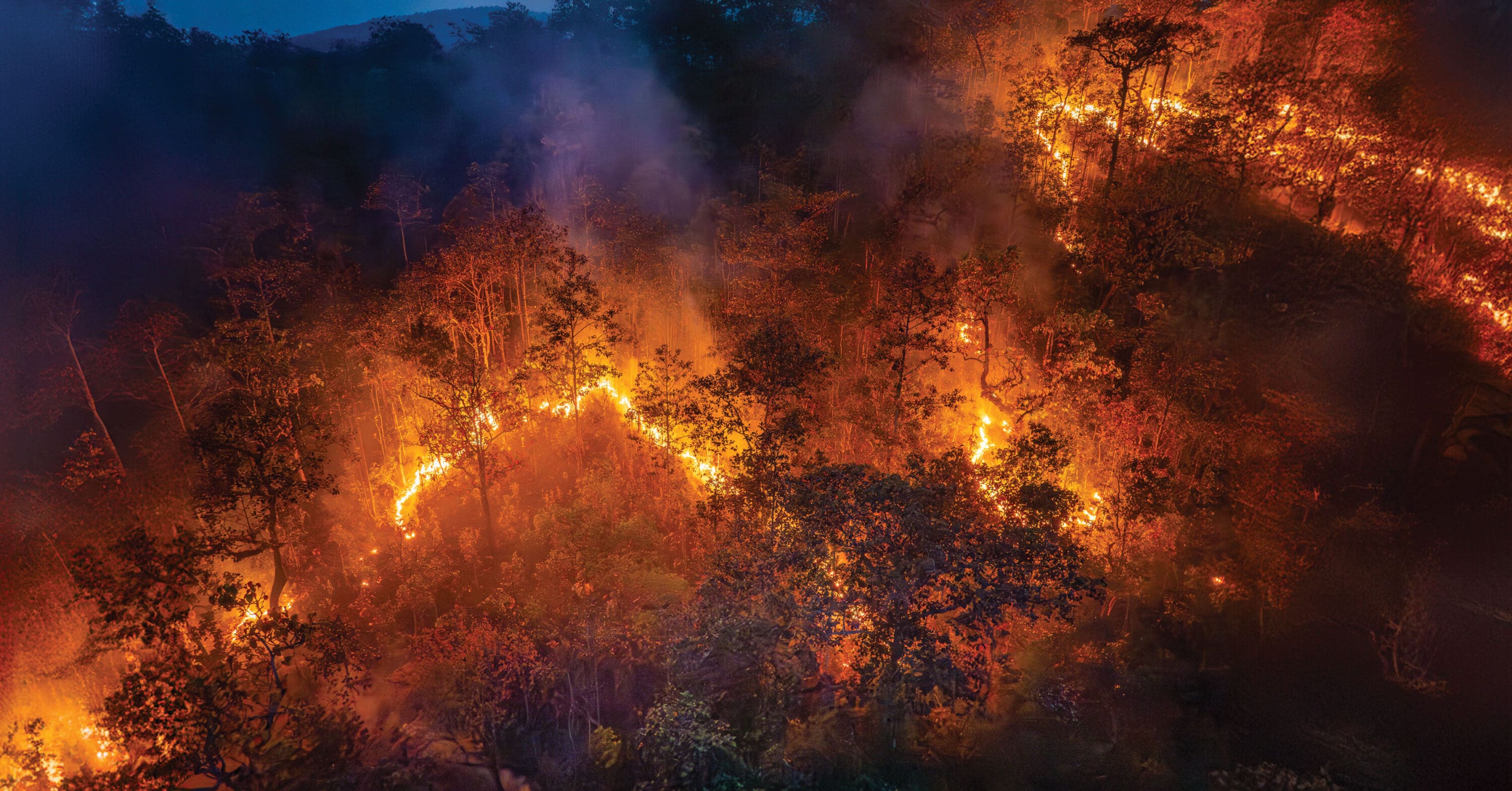
According to the U.S. Global Change Research Program, heat waves are occurring more often than before—increasing from more than two heat waves per year during the 1960s to more than six per year during the 2020s. Heat waves, or extreme heat events, are unusually high temperatures for an extended period that can cause illnesses, such as heat exhaustion and heat stroke, especially among vulnerable groups, including children, older adults, those who are pregnant, and those with pre-existing medical conditions. Increasing extreme heat events can lead to heat-related illnesses and deaths, particularly among those unprepared.