
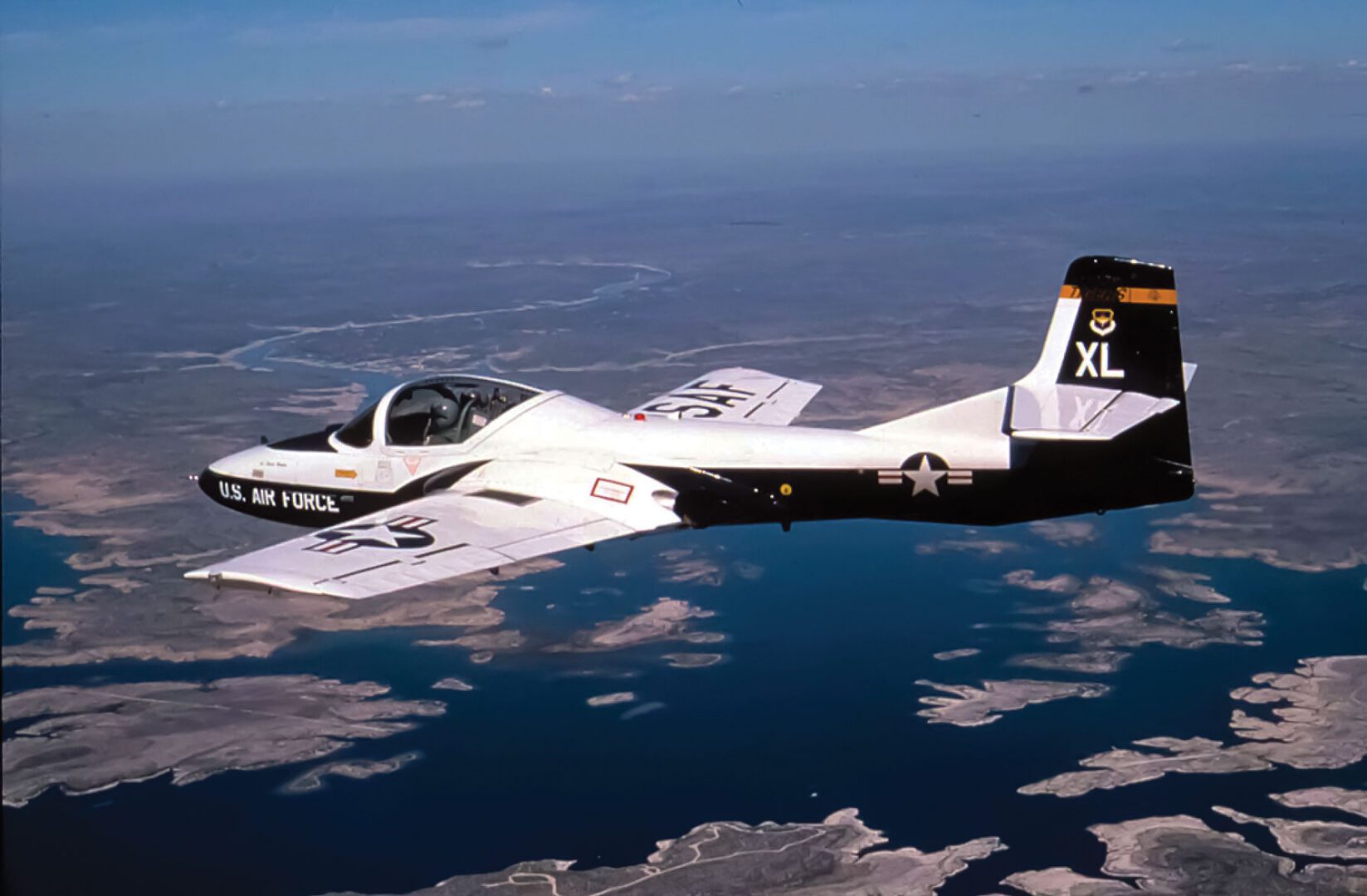
Arc to Final
By Col John B. Kelley, Director of Safety, Air Mobility Command
The journey from beginner and novice to expert and instructor in a skill is an interesting arc that we all experience throughout our lives, often multiple times. Within a relatively short time, Airmen achieve a high level of proficiency in their chosen specialty. After proficiency and mastery has been achieved, it can be difficult to look back at earlier phases of your career and wonder how you once struggled mightily with a skill you now take for granted. My own flying career has followed this model.
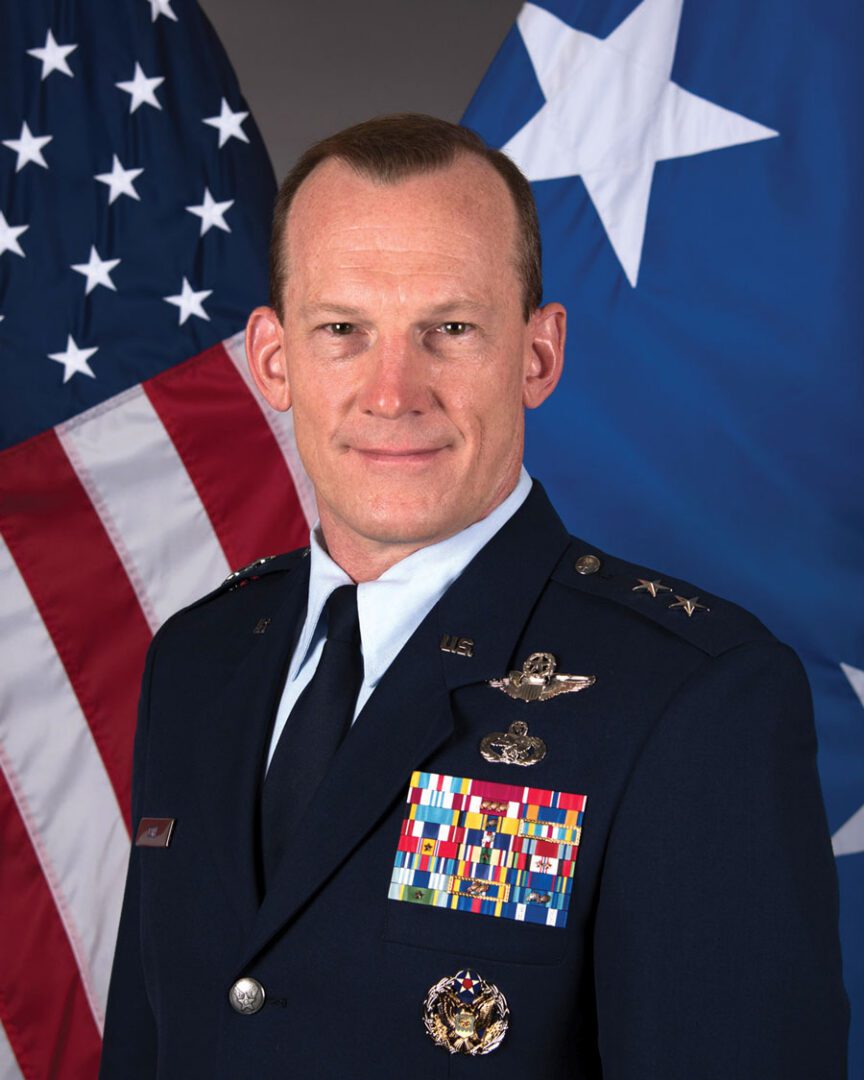
Train Harder Than the Fight: Maj Gen Cole on Readiness, Risk, and Resilient Airmen
By Ms. Lauren Fosnot, Staff Writer
History shows that the greatest breakthroughs come when someone pushes beyond what was once considered the limit, from the first supersonic flight with U.S. Air Force Capt Charles Yeager in 1947 to recent missions that redefined mobility operations, including OPERATION ENDURING FREEDOM, which demonstrated the ability to maintain around-the-clock, high-volume, intra-theater logistics.

Risk Management Annual Refresher Training
By Mr. Kevin Sluss, CSP, Air Mobility Command Risk Management Process Manager
If you have been in the U.S. Air Force (AF) over the last couple of years, you should have participated in the Chief of Staff’s Integrating Risk and Readiness initiative. As part of that effort, everyone received a Risk Management (RM) Fundamentals update, and then, during Phase II of the campaign, a Risk Management Annual Refresher Training. As implied by the name, the annual refresher is just that and is now detailed in the new version of Department of the Air Force (DAF) Instruction (DAFI) 90-802, Risk Management. The continuing refresher has changed from what was done during Phase II.
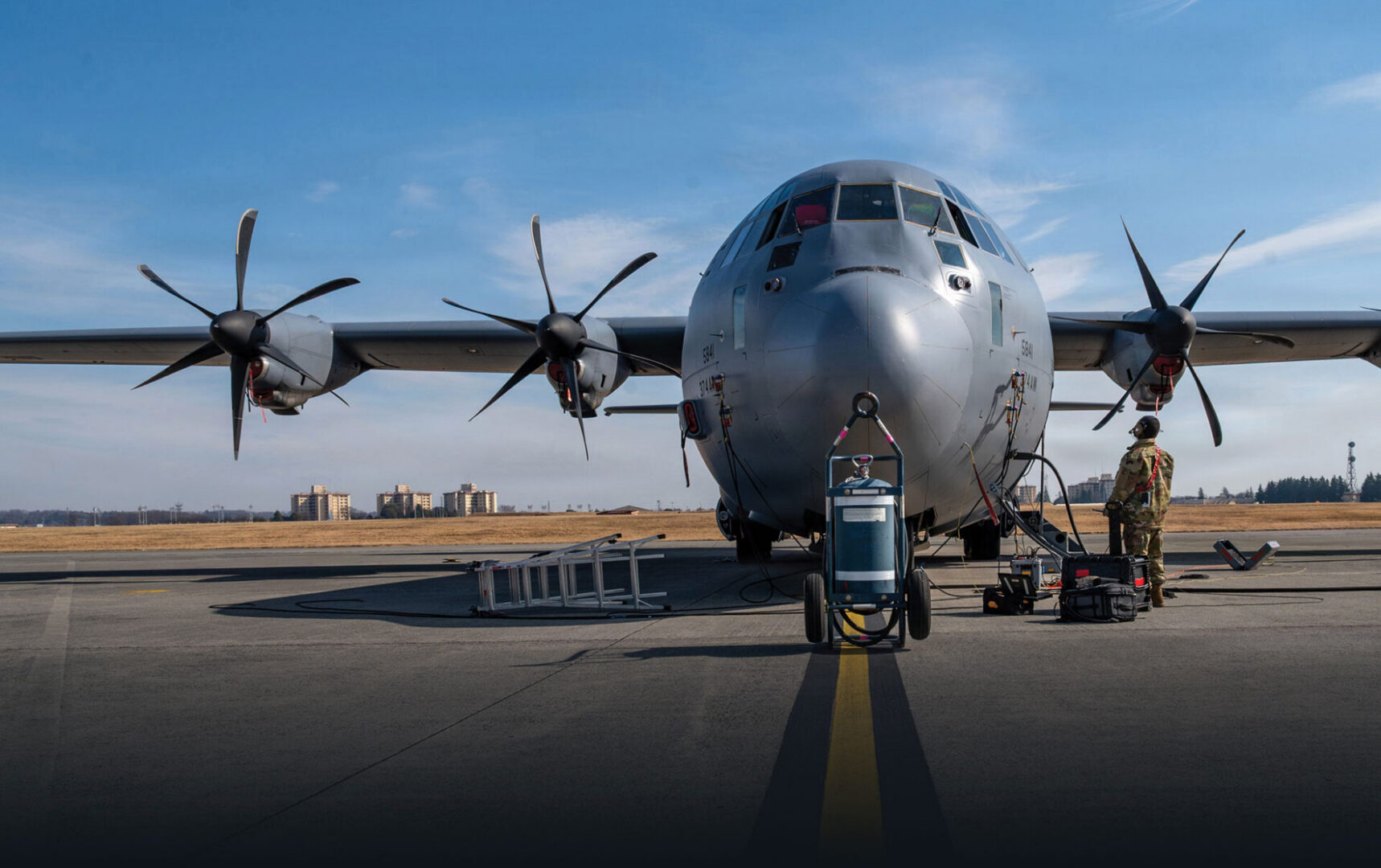
Safety I and Safety II: What Does It Mean to Be Safe?
By Maj Ben Dickter, Chief and Aviation Psychologist, Operations Risk Assessment Management System, Scott Air Force Base, IL
Consider the question: What makes a system “safe”?
For decades, aviation has defined safety as the absence of mishaps. We measure success by tracking the number of specified events over a specified period of time. For example, Air Mobility Command (AMC) had zero fatal air mishaps in 2025. Using this metric, which assumes safety comes from maintaining an acceptably low number of adverse events, the command appears safer than American Airlines, which in January 2025 experienced a fatal mishap over the Potomac River.
Air Mobility Command Well Done Award
By Staff Writer
These Airmen were recognized with Well Done Awards for their exceptional critical thinking, outstanding team coordination, and rapid, decisive execution during mission operations. Their ability to assess dynamic situations and deliver timely, effective solutions directly contributed to mission success. Their professionalism and unwavering commitment to excellence reflect the highest standards of Air Mobility Command.
Air Force Safety Center Announces Unit Risk Forecasting Tool
By Air Force Safety Center Public Affairs
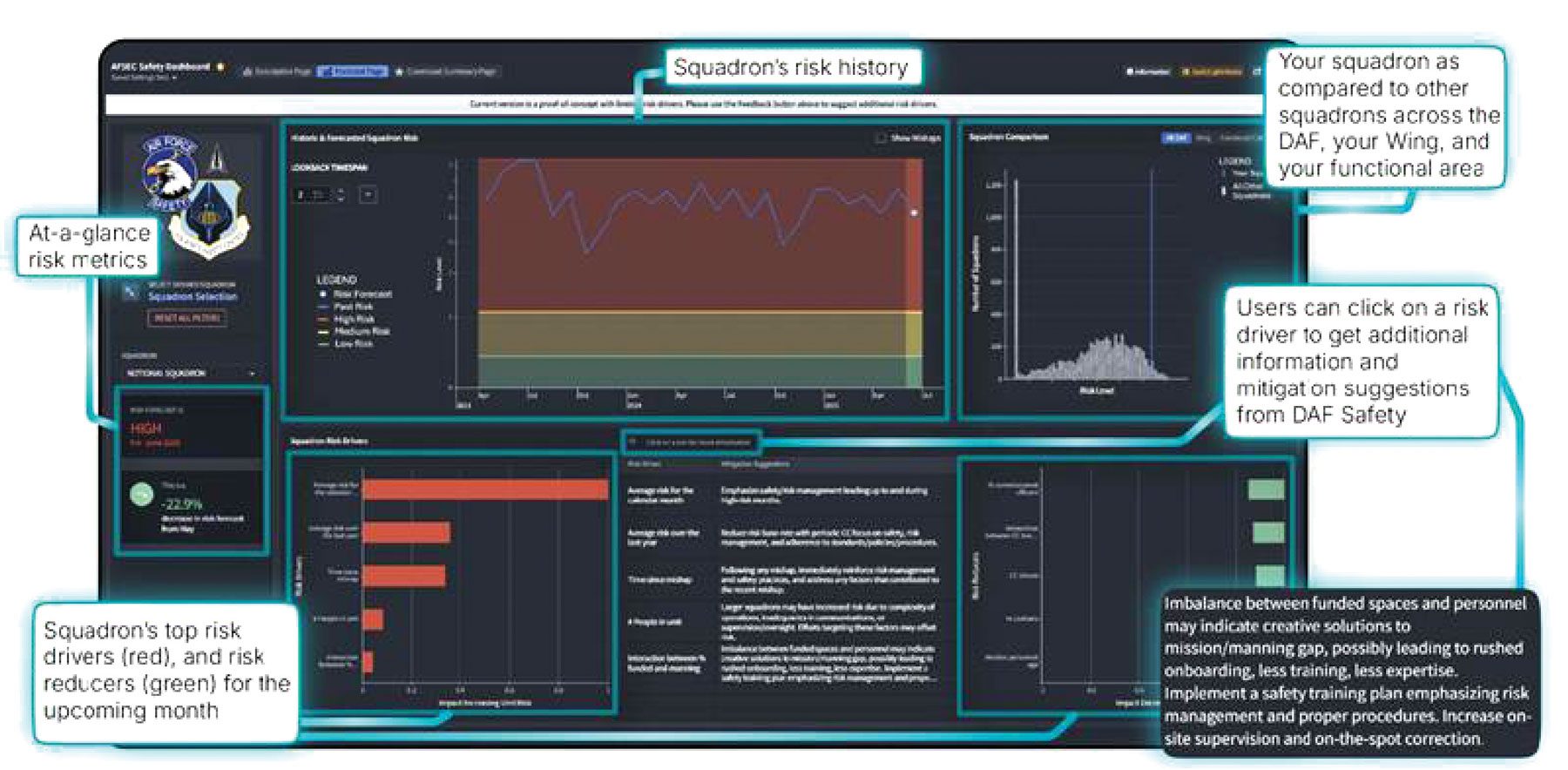
On Jan. 14, 2026, the Air Force Safety Center (AFSEC) announced the Unit Risk Forecasting tool would be available for commanders and unit safety professionals. Unit Risk Forecasting is a machine learning-fueled forecast of squadron risk and the factors influencing increased risk.
Just Culture: Turning Incidents Into Safer Systems
By Ms. Lauren Fosnot, Staff Writer
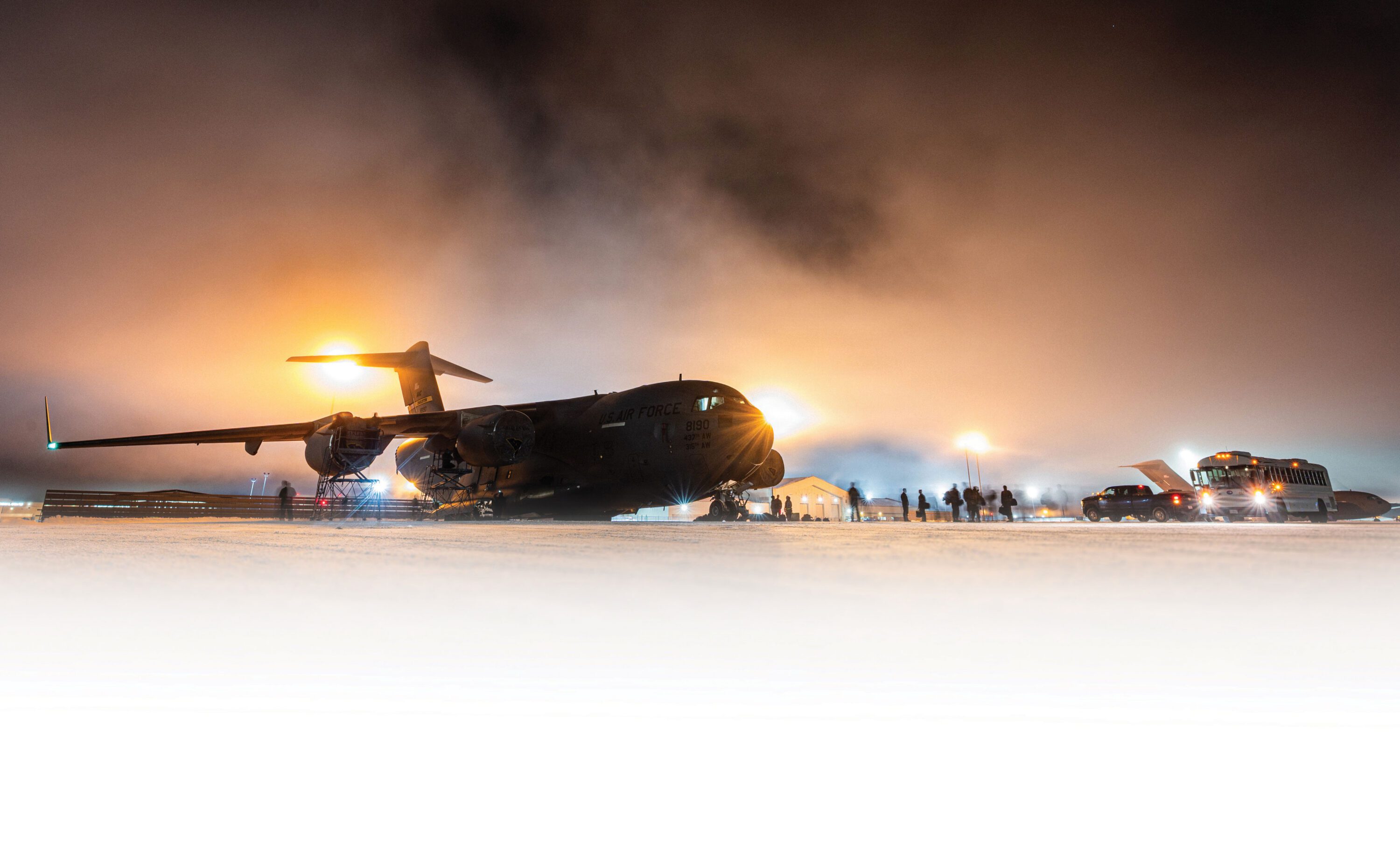
When an incident occurs, it is often not the first time something has gone wrong, but the first time the issue has been brought to light. Surfacing problems early creates opportunities to prevent future mishaps and strengthen systems.

Critical Thinking in the Age of AI
By Mr. Joseph Fontanazza, Staff Writer
A screenshot appears in a chat and looks like breaking news. It might be a cropped headline with a “BREAKING” banner, or a repost with a new caption added. The language is confident and urgent. Within minutes, the image can do what used to take a full story or an official statement. People react to what they see, not what they can confirm.

The Air Force Safety Center at 30
By Air Force Safety Center Public Affairs
In 2026, the Air Force Safety Center (AFSEC) is commemorating its thirtieth anniversary, marking three decades of dedicated service to maximizing safety across the United States Department of the Air Force (DAF).

Pushing Boundaries: What Artemis II Can Teach Airmen About the Future of Mission Success
By Ms. Lauren Fosnot, Staff Writer
On April 1, 2026, when four astronauts lifted off aboard the National Aeronautics and Space Administration’s (NASA) Artemis II mission, it marked far more than another trip into space. The ten-day mission around the Moon represented the first crewed flight of NASA’s Artemis program and humanity’s return to deep-space exploration after more than five decades.

Considering Motor Vehicle Safety
By Mr. Mike Cremedas, Staff Writer
One of history’s greatest minds is credited with saying, “Once you have tasted flight, you will forever walk the earth with your eyes turned skyward, for there you have been, and there you will always long to return.” Poetic words from Leonardo Da Vinci, but do not forget that the only flying machines the Renaissance genius saw were the ones he designed on paper. More importantly, Airmen cannot spend all day staring at clouds—they must keep their eyes on the road when driving. Besides, Da Vinci never had to pay car insurance or rising premiums after an incident on the road.
621st Contingency Response Group and 22nd Marine Expeditionary Unit Marines Expand Caribbean Airlift Capabilities
By 1 Lt Jessica McLaughlin, 621st Contingency Response Wing Public Affairs
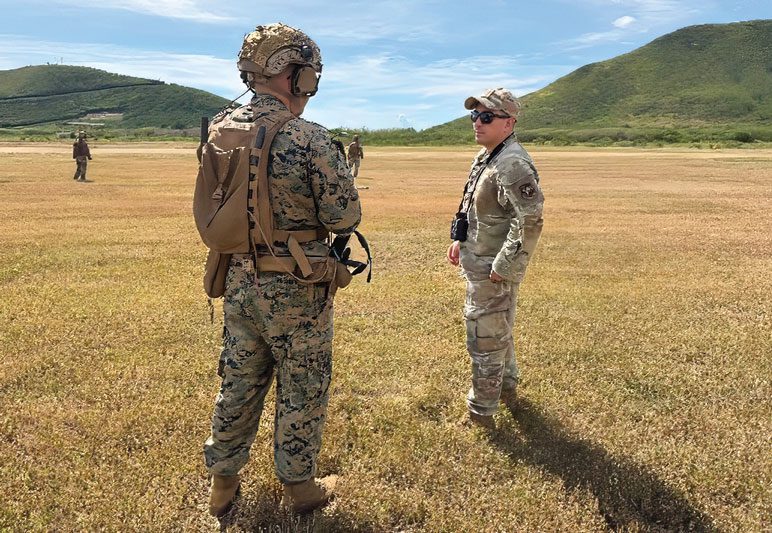
Airmen from the 621st Contingency Response Group (621 CRG) recently collaborated with a Marine Mobile Air Traffic Control Team from the 22nd Marine Expeditionary Unit (22 MEU) to significantly expand airlift capabilities in the Caribbean. The joint team surveyed and certified a C-130 landing zone on the island, opening the area to additional mobility aircraft platforms.