

Staying Safe on Personal Transportation Devices
By Ms. Christine Walsh, Staff Writer
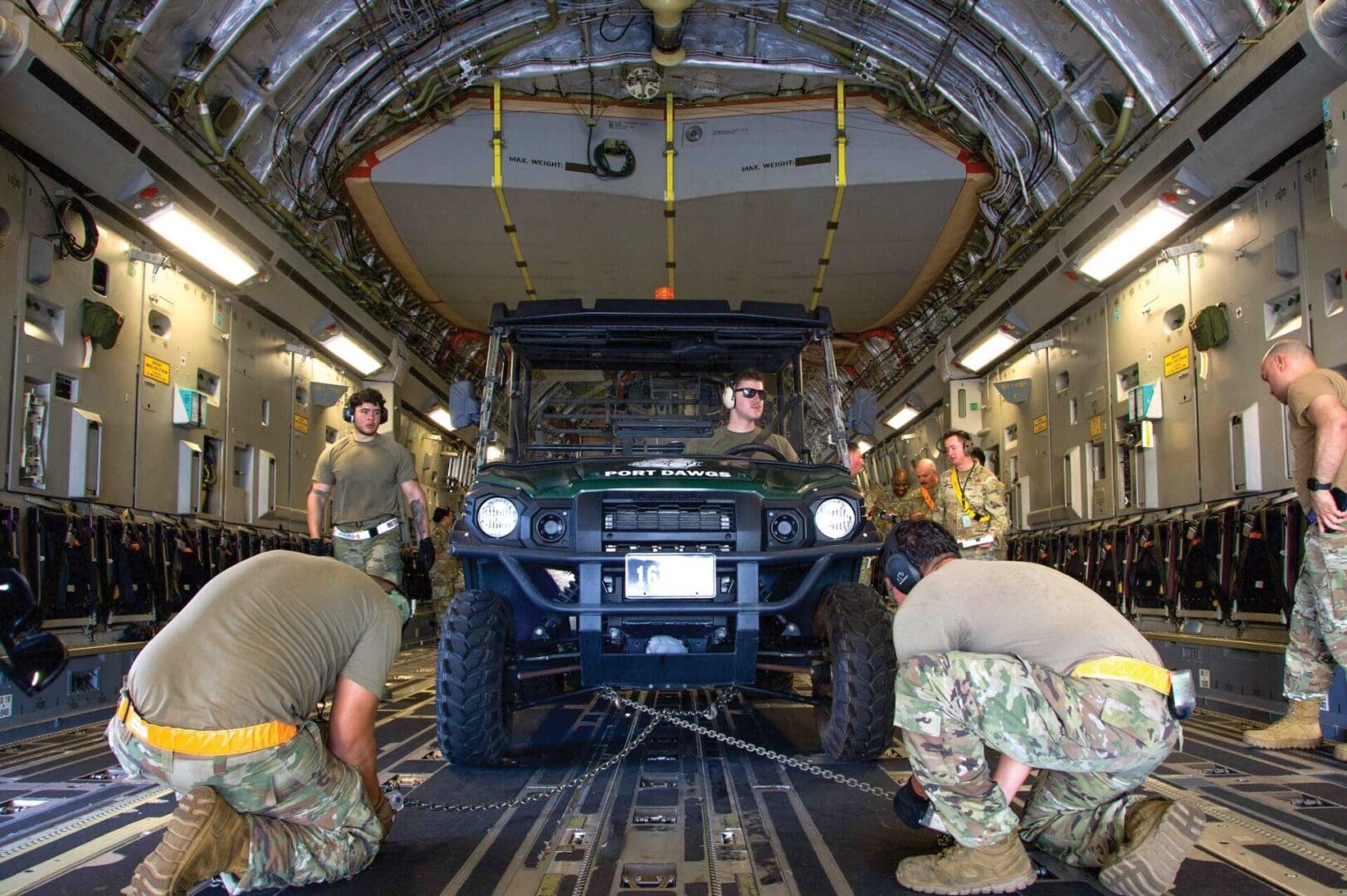
In recent years, personal transportation devices (PTD) have gained widespread popularity. PTDs—also known as micromobility devices—are low-speed, flexible-mobility vehicles not meeting the U.S. Department of Transportation’s motor vehicle standards for public roadways. Examples of these devices include Segways, electric (kick)/motorized scooters, electric bicycles, powered/motorized skateboards and hoverboards, and any transportation device that can be used on a roadway or sidewalk. PTDs do not include devices covered under the American Disabilities Act, such as motorized wheelchairs, mobility aids, and other power-driven mobility devices.

Forecast to Flight—Weather Operations at the 618th Air Operations Center
By Mrs. Lauren Fosnot, Staff Writer
No matter where a mission takes off or lands, weather is a constant player in global mobility operations.

Mishap-Free Flying Hour Milestones
By Staff Writer
10,000 Hours 445 Airlift Wing, Wright-Patterson AFB, OH SMSgt Brian M. Dawes 8,500 Hours 445 AW, Wright-Patterson AFB, OH Lt Col Brett J. Manger 7,500…

Mitigating Risk, Ensuring Readiness: The KC-135 and the Growing Demand for Global Air Refueling
By Maj Neil Ormerod, HQ AMC/SEF
The KC-135 Stratotanker fleet stands at a critical juncture, balancing its venerable service with the growing demands of ensuring American security in a complex world. The aircraft’s age and the increasing need for air refueling capabilities present inherent risks that directly impact the readiness of this vital asset.
A Day in the Life
By Staff Writer
Airmen assigned to the 515th Air Mobility Operations Wing participate in the Air Mobility Team (AMT) Rodeo at Joint Base Pearl Harbor-Hickam, HI, Feb. 27, 2025. The AMT Rodeo is intentionally designed to exercise team dynamics and challenge members across Command and Control, Aerial Port, and Maintenance operations.

Col John B. Kelley on Safely Integrating Risk and Readiness
By Ms. Lauren Fosnot, Staff Writer
As the U.S. Air Force transforms to meet the demands of the Great Power Competition, risk management is taking on a new level of importance. With complex and dynamic threats, Airmen must be equipped to make risk-informed decisions at every level. Through the Integrating Risk and Readiness campaign, leaders are enhancing readiness across the full scope of training, exercises, and combat operations.

AMC Welcomes Dedicated Leader in Air Force Safety
By Ms. Lauren Fosnot, Staff Writer
Recently, CMSgt Michael A. Evans became the Senior Enlisted Leader of the Safety Directorate and Major Command Functional Manager for the Safety Career Field at the Air Mobility Command Headquarters, Scott Air Force Base (AFB), IL. In this role, Evans serves as the principal advisor to the Director of Safety, guiding on all matters related to risk management, mishap prevention, and force readiness. He oversees the interpretation and implementation of safety directives and programs, ensuring their alignment with Air Force policies and operational objectives. In addition, he assesses readiness and mission capability across the command, identifies critical staffing requirements, and advocates for Air Expeditionary Force and command-level resourcing needs.

Mental Health and Performance in Aviation
By Maj Ben Dickter, Deputy Chief, Ops RAMS, Aviation Psychologist
“If you’re really interested in high performance, you are going to require a certain level of cognitive literacy, meaning you have to understand what is going on in your brain and your body when you’re performing.” – Steven Kotler

MOBILITY GUARDIAN 2025
By AMC Staff
MOBILITY AIRMEN: The Unifying Force for Global Readiness. Delivering agile integration, robust logistics, and unwavering readiness for collective security.Mobility Airmen are the cohesive glue behind…

Stress and Burnout of the Military Pilot
By Ms. Jeanie Hood, HQ AMC Flight Safety
You are sitting at the hammerhead waiting for departure clearance. A line of weather is moving into the north, the aircraft is filled with soldiers returning to the United States after a one-year deployment, and the winds have changed, so your takeoff data need to be adjusted. Stress is slowly creeping in as you start assessing the situation. Maintaining your mental composure and making accurate decisions are critical skills when transforming challenging situations into successful ones. Staying calm when faced with adversity or seemingly impossible situations helps us make rational decisions instead of reacting impulsively. However, staying calm under stress is not a simple task; it requires patience, practice, and perseverance.

Integrating Risk and Readiness … the Sequel
By Col John B. Kelley, HQ AMC Director of Safety
I was sitting in a Headquarters staff meeting the other day and somewhere between the budget update and community calendar my steely-eyed staff warrior discipline slipped and my mind began to wander. The random topic I landed upon was sequels of all things. Specifically, what makes some sequels work brilliantly and others fall flat? In today’s media-saturated world, it seems like original stories are in short supply. Great original stories can be the genesis of other great stories though. Many revolutionary, expansive, or groundbreaking works come as sequels: The Odyssey is the sequel to The Iliad; the genre-defining Nevermind was actually Nirvana’s sophomore album; and Season 2 of My Hero Academia brilliantly expanded on the characters and story (no spoilers—I’m not caught up on all the seasons). Based on my observations, a sequel needs to be grounded in the original while expanding the scope and complexity in an interesting and novel direction to be successful.

101 Critical Days of Summer: Fun in the Sun!
By Ms. Lisa Gonzales, Air Force Safety Center
Summer is the time to enjoy warm, sunny days safely. The 101 Critical Days of Summer (101 CDS) focuses on preventing the annual spikes in injuries and accidents between Memorial Day and Labor Day. For the Department of the Air Force (DAF), these accidents not only impact individuals and their families but also mission readiness and force lethality.