
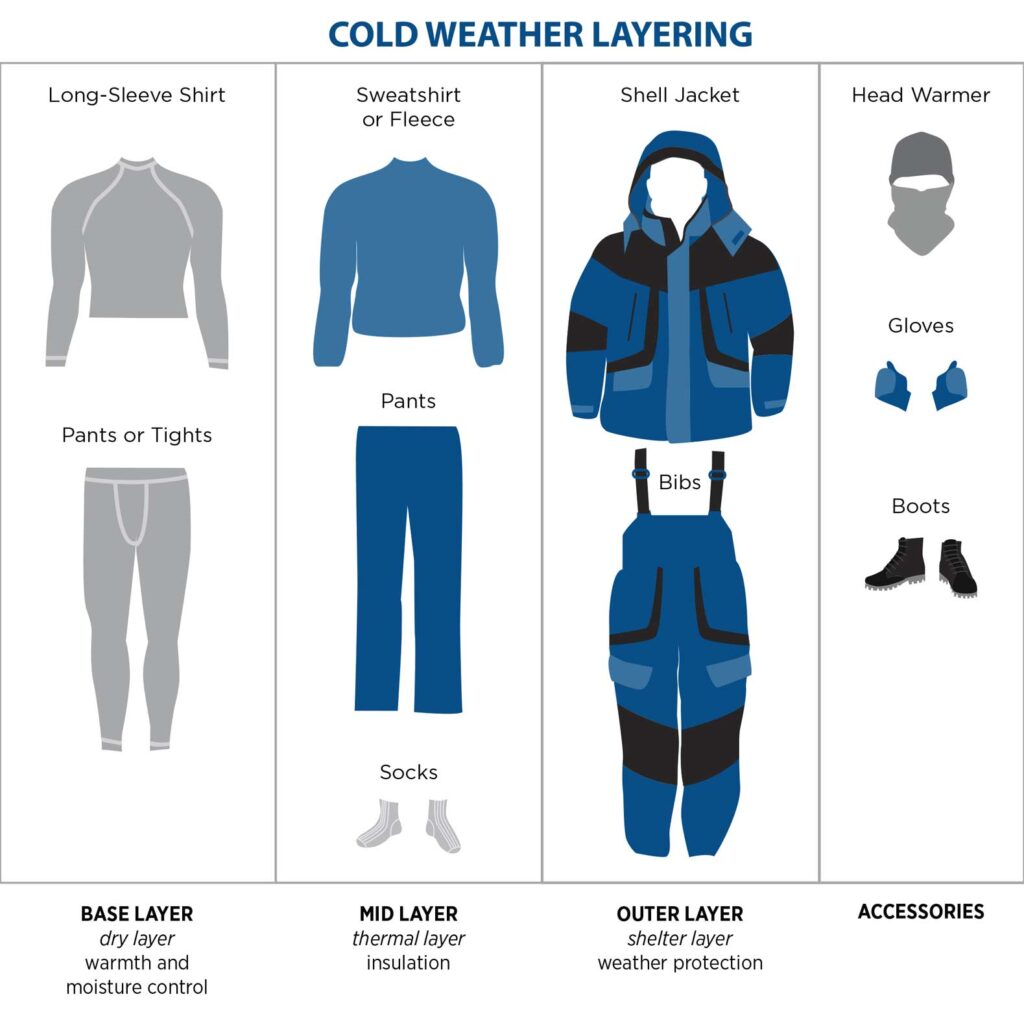
Cold Weather Operations—How to Prevent Frostbite
By MS. KATHY ALWARD, STAFF WRITER
We can all agree that the weather is sometimes unpredictable. According to the Armed Forces Health Surveillance Center, as cold weather is approaching, it is crucial to be prepared for and recognize the dangers of cold weather operations in the U.S. Military. One of the most common and severe cold-weather injuries to prevent is frostbite.

Safety: The Most Important Item to Bring With You
By MS. SOFIA SCHATZ, STAFF WRITER
Traveling to various parts of the world can be an exciting experience. There are so many places to explore and create memories. It is important, however, to keep safety in mind and not let your guard down. Traveling may be an adventure, but it is wise to have safeguards in place.

Cybersecurity Tips to Keep You Safe This Holiday Season
By MS. ARYN KITCHELL, STAFF WRITER
Throughout the year, we see many news stories about cybersecurity breaches in large companies. Of course, we all get worried when we learn that a company—or a bank—we use has been breached because that means our personal information has been at risk. This violation can heighten our awareness for a short time; we check our bank accounts, keep a close eye on our credit score, and change our passwords at the drop of a hat. Unfortunately, these large-scale breaches are not the only time our personal information is at risk.
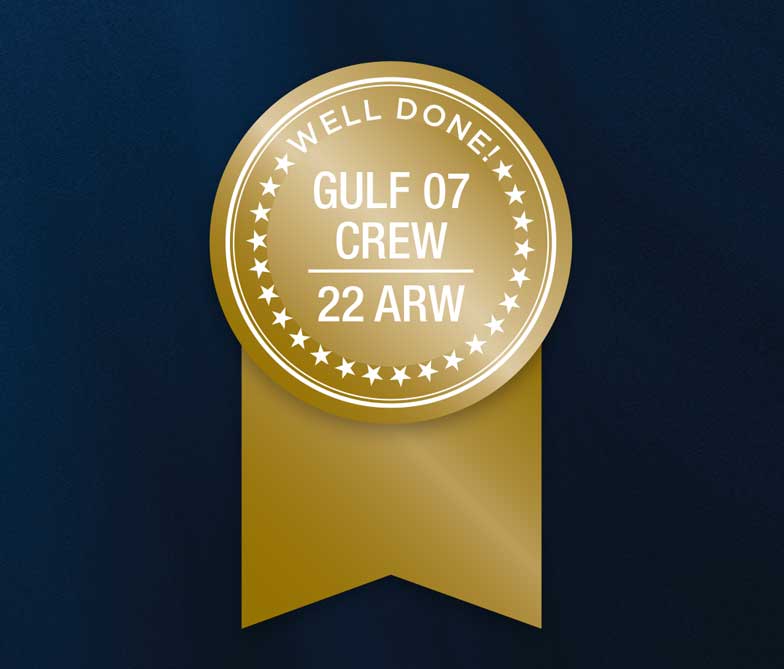
AIR MOBILITY COMMAND WELL DONE AWARD Presented to GULF 07 CREW 22 ARW
By STAFF
While participating in the Red Flag exercise at Nellis Air Force Base, NV, the crew of GULF 07 showed exceptional situational awareness, airmanship, and emergency responsiveness. Upon landing and while taxiing to park following a B-52, the crew of GULF 07 noticed the right main landing gear on the B-52 catch fire and quickly begin to spread about the exterior of the aircraft. The copilot alerted the crew members aboard the B-52 of the emergency, of which they were unaware, allowing them to quickly and safely evacuate the aircraft.

MISHAP-FREE FLYING HOUR
By STAFF
UNIT AWARD 96th Airlift Squadron, Minneapolis ARS, MN 65 Years • 225,640 Hours 2,090 FY21 Mishap-Free Flying Hours 65 Years Since Last Class A or…
Assumption + Miscommunication = Aircraft Damage
By MR. LALO MAYNES, HQ AMC FLIGHT SAFETY
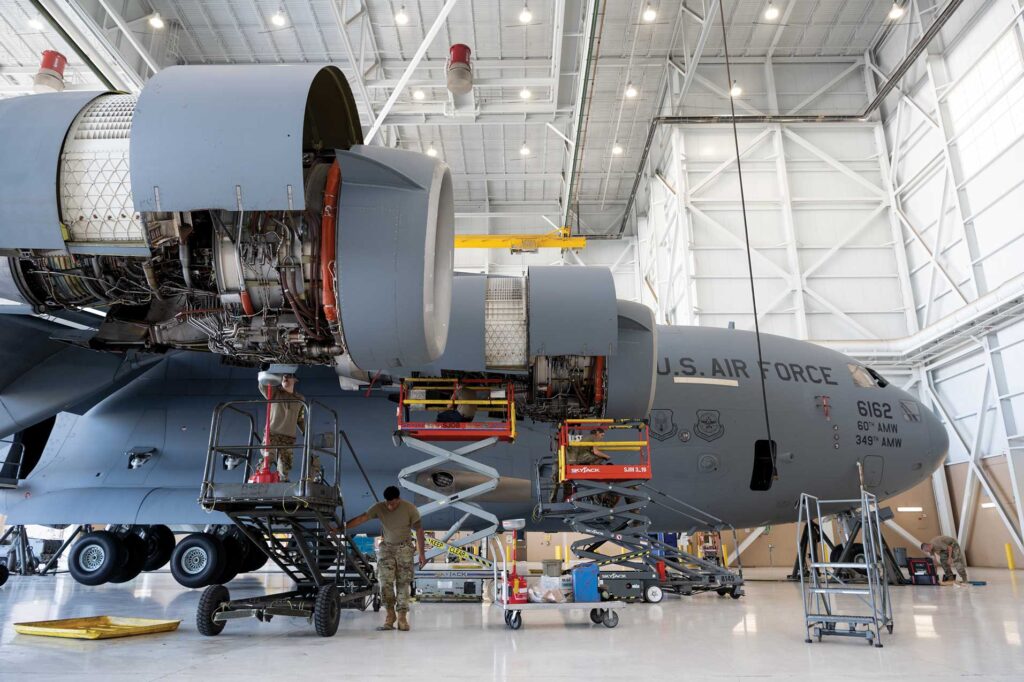
In a recent event on the flight line, maintenance personnel were prepping an aircraft for an engine run. The jet engine mechanic performed the Inlet and Exhaust (I&E) inspection on the number one engine. He purposefully left the inlet mat in the inlet so the oncoming 7-level trainer could train a 3-level on conducting the I&E inspection.
A DAY IN THE LIFE
By STAFF
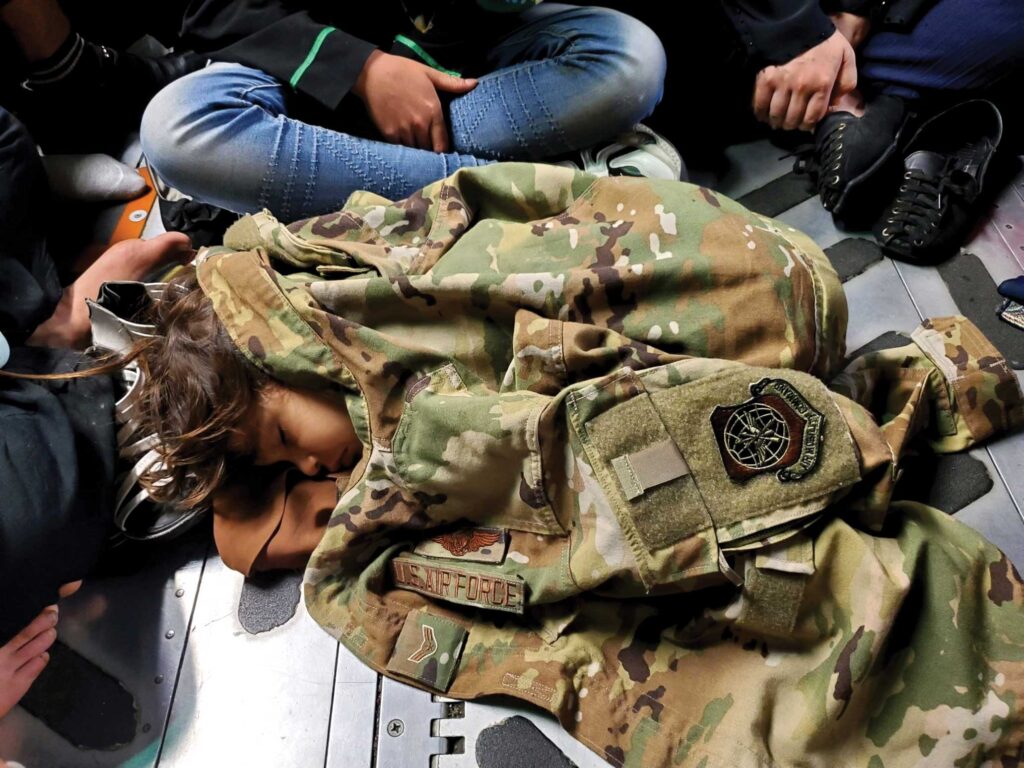
An Afghan child sleeps on the cargo floor of a C-17 Globemaster III, kept warm by the uniform of a C-17 Loadmaster, A1C Nicolas Baron, during an evacuation fight from Kabul, Afghanistan, Aug. 15, 2021. Operating a feet of Air National Guard, Air Force Reserve, and active duty C-17s, Air Mobility Command, in support of the Department of Defense, moved forces into the theater to facilitate the safe departure and relocation of U.S. citizens, Special Immigration Visa recipients, and vulnerable Afghan populations from Afghanistan.
AMC Set to Greet New Commander This Fall
By Staff Writer
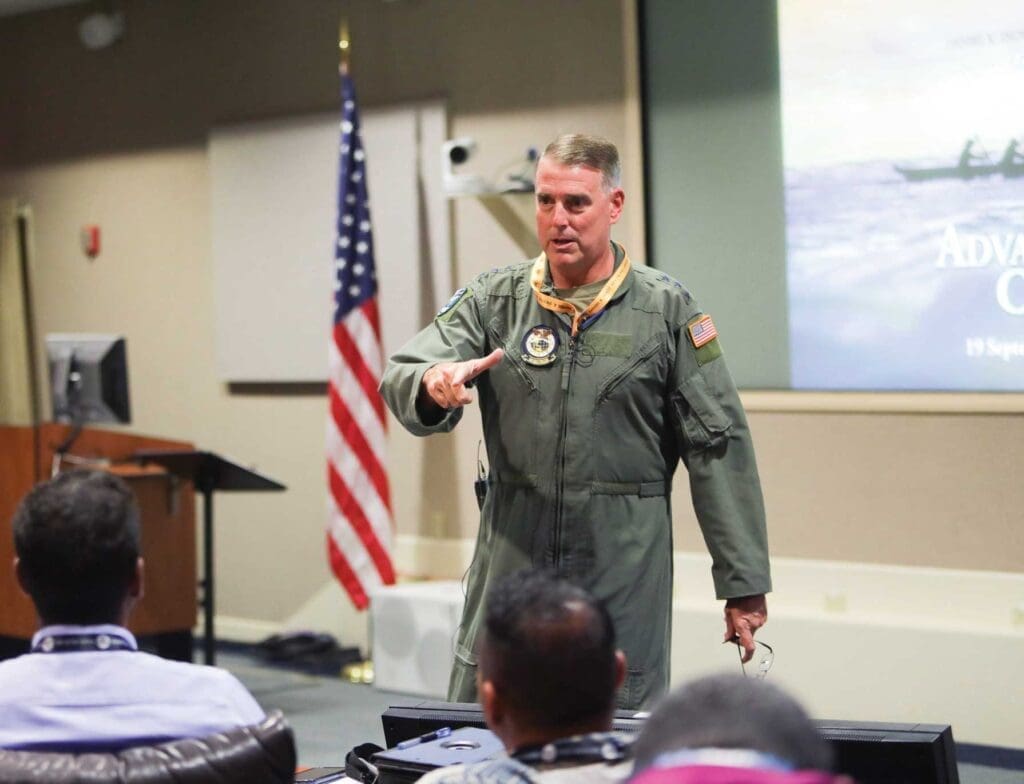
In July 2021, Lt Gen Mike Minihan was nominated and confirmed for promotion to general and assignment as the Commander of Air Mobility Command (AMC). He is set to succeed Gen Jacqueline Van Ovost, who has been nominated to serve as Commander of the United States Transportation Command.
AMC Safety Welcomes New Director
By Staff Writer
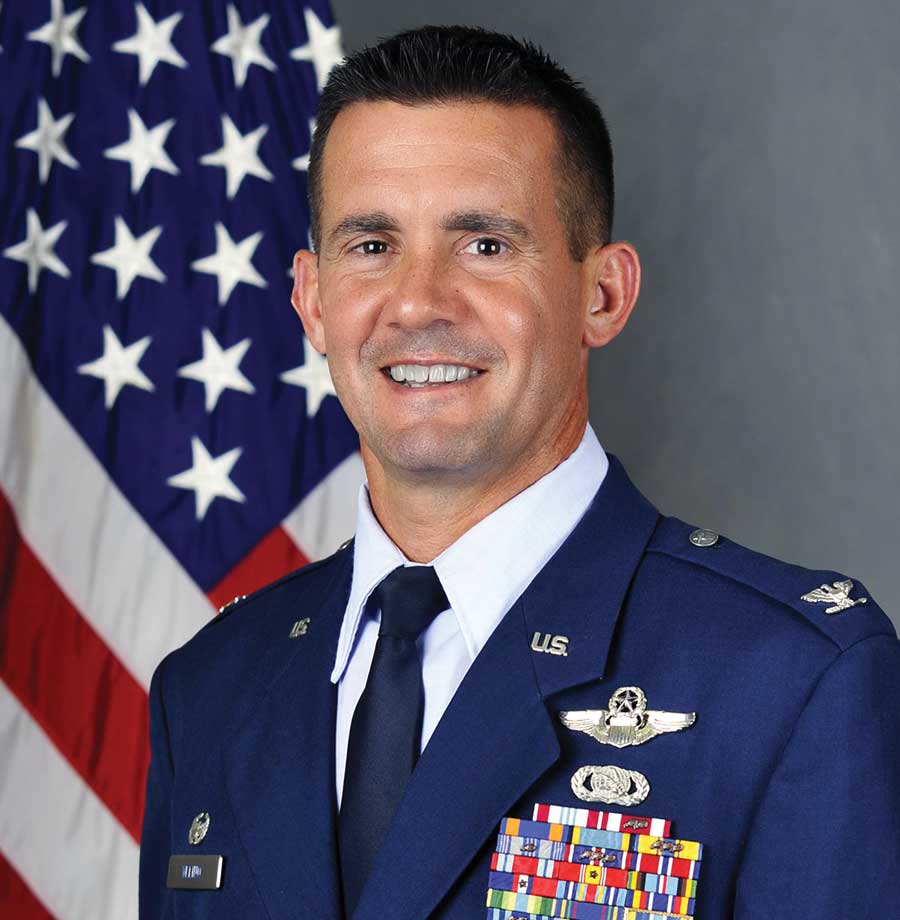
The Air Mobility Command Safety Directorate recently welcomed Col Charlie M. Velino as the new Director. Velino entered the Air Force through Officer Training School in March of 1995 and, following Basic Computer Officer School, was assigned duties in systems management and software engineering. In 1998, he was selected to attend pilot training and completed Undergraduate Pilot Training in April of 1999.
So Long, Fellow Mobility Airmen
By COL BRANDON HILEMAN
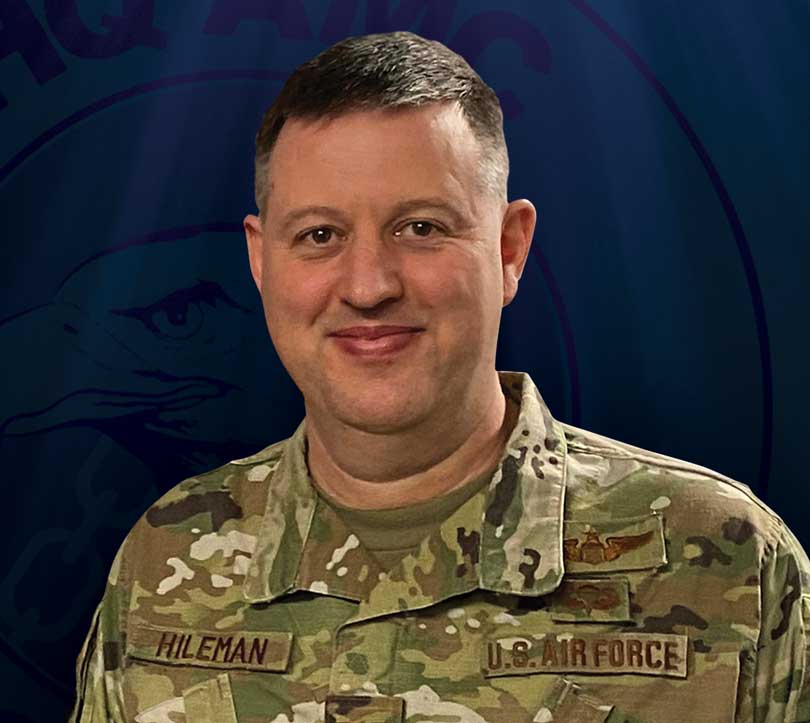
It has certainly been my honor and privilege to serve with such a phenomenal safety team the past few years. Fortified by outstanding leadership support and advocacy as well as the incredible efforts of safety professionals across the enterprise, the command has achieved a fantastic safety record and received numerous accolades in recognition of its accomplishments. AMC earned the Major General Benjamin D. Foulois Award for best flight safety program three out of the past four years and garnered the Secretary of the Air Force Safety Award for the best program in the Air Force an unprecedented three years in a row! These awards pale in comparison to the amazing mission mobility Airmen safely accomplish every day across the globe. Our business, however, requires steadfast focus on managing risk effectively and making sound decisions every single time.
AIR MOBILITY COMMAND WELL DONE AWARD
By Staff Writer
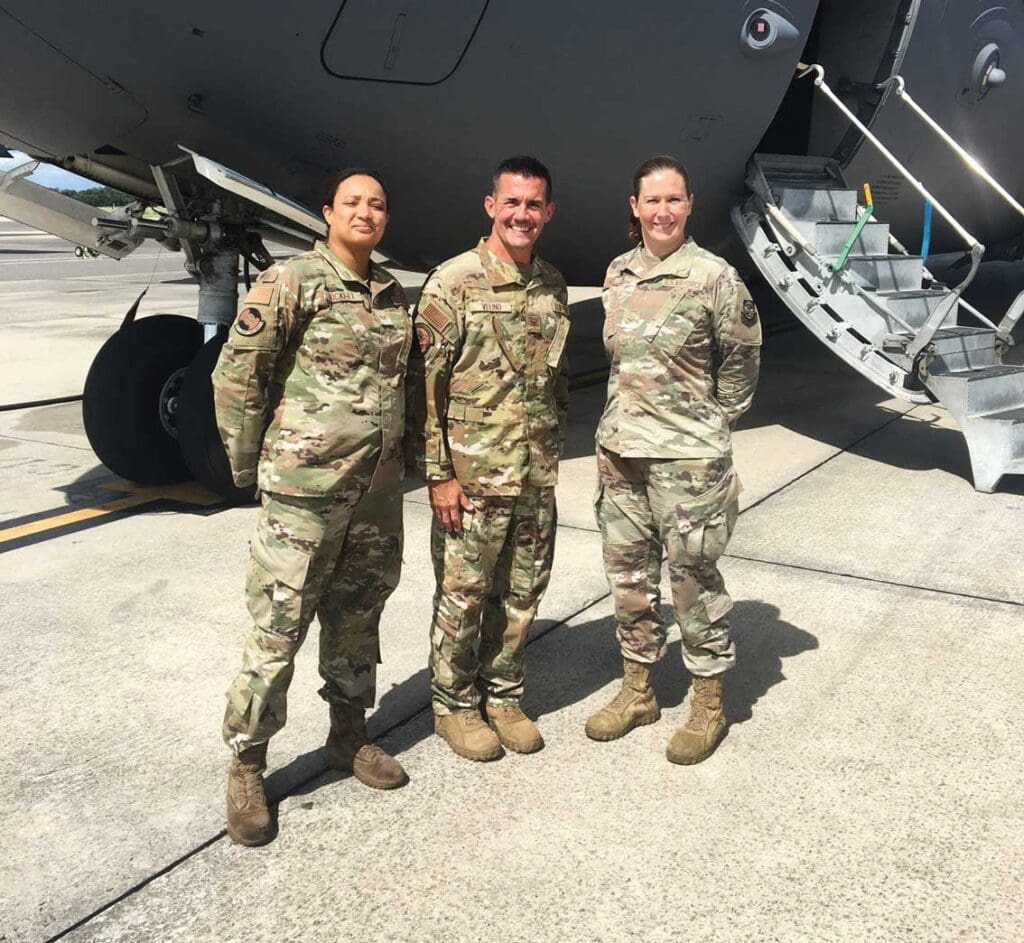
On April 9, 2021, as a C 17 taxied into its parking spot, a fire erupted in the left wheel well area. Fortunately for the crew onboard, SrA Rigel Lockett and A1C Augustine Williams from the 437th Airlift Wing, Joint Base Charleston, SC, noticed the fire, quickly retrieved a flightline fire extinguisher, and attempted to extinguish the fire. The duo thought it had been fully extinguished, but the fire, fed by hydraulic fluid, reignited. Determined to not let the blaze get out of control, Lockett and Williams then retrieved a second extinguisher and continued to fight the fire until the fire department arrived minutes later. Thanks to the actions of Lockett and Williams, the crew onboard egressed safely, and it is likely their efforts saved the aircraft from being a total loss.
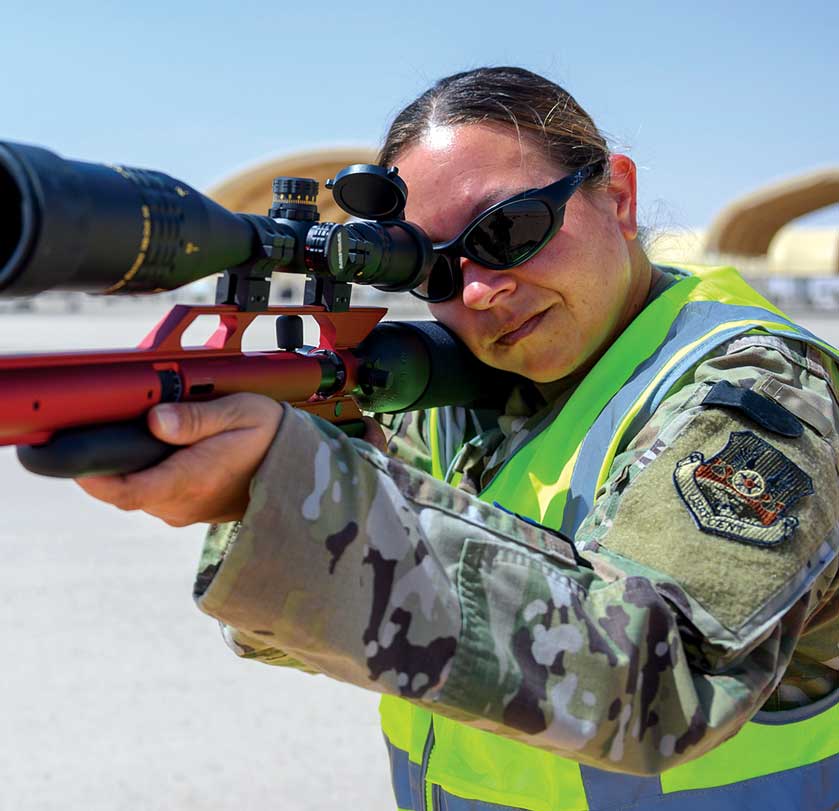
The Flight Safety NCO: Your Safety Liaison
By MR. LALO MAYNES, HQ AMC FLIGHT SAFETY
Your wing FSNCO is a maintainer, usually from your wing, selected because of his or her knowledge and expertise with AFI 21-101, Aircraft and Equipment Maintenance Management, and the organizational structure of the maintenance complex. The FSNCO is assigned to the Flight Safety Division of the Wing Safety office, typically for two or three years. After completing the Aircraft Mishap Investigation Course and Aviation Safety Program Management course, the newly trained FSNCO will soon become key to continuity within the Flight Safety (SEF) office. He or she reports to, and works with, the Flight Safety Officers, who report to the Chief of Safety for the wing. In addition to conducting aviation mishap investigations, the FSNCO is an invaluable asset to each wing through historical mishap data and analytics, customized training and briefings, robust inspections, safety program oversight, proactive safety advocacy, and expeditionary capabilities for global impact.